Food Coloring: Natural and Artificial Options in Indian Cooking
When you think of food coloring, a substance added to food to change or enhance its color. Also known as edible pigments, it’s used everywhere—from bright pink laddoos to golden turmeric rice. But in Indian kitchens, especially in Mysore and across South India, food coloring isn’t just about looks. It’s tied to tradition, festivals, and the way flavors are celebrated visually. For centuries, people didn’t reach for synthetic dyes. They used turmeric for yellow, beetroot for red, spinach for green, and even crushed hibiscus flowers to tint sweets. These weren’t just colorants—they were ingredients with flavor and health benefits built in.
Today, you’ll still find natural food dyes, coloring agents derived from plants, minerals, or animals in home kitchens making Indian sweets, traditional desserts like jalebi, barfi, and phool jhadi, often made with sugar, cardamom, and natural pigments. But supermarkets and commercial vendors increasingly use artificial food coloring, synthetic chemicals designed to produce vivid, stable colors in food. These are cheaper, more consistent, and last longer—but they don’t add nutrition, and some people avoid them for health reasons. The real question isn’t just which one works better—it’s which one belongs in your food. If you’ve ever wondered why your homemade rasam doesn’t turn orange like the restaurant version, or why your gulab jamun looks too bright pink, it’s likely because of the difference between natural and artificial colorants.
Many of the recipes in this collection touch on this quietly. In posts about food coloring in Indian sweets, you’ll find how phool jhadi gets its cotton-candy texture and color from sugar syrup dyed with natural extracts. You’ll see how turmeric isn’t just for flavor in biryani—it’s the original golden hue. You’ll learn why some chutneys look duller than store-bought ones, and why that’s actually a good thing. These aren’t just cooking tips—they’re clues to understanding what’s really in your food. Whether you’re making dosa batter, curing paneer, or coloring sweets for Diwali, the choice of coloring matters. It affects how food tastes, how it’s perceived, and even how it’s remembered. Below, you’ll find real recipes, real fixes, and real stories from kitchens that still use the old ways. No gimmicks. Just food that looks, smells, and tastes like it should.
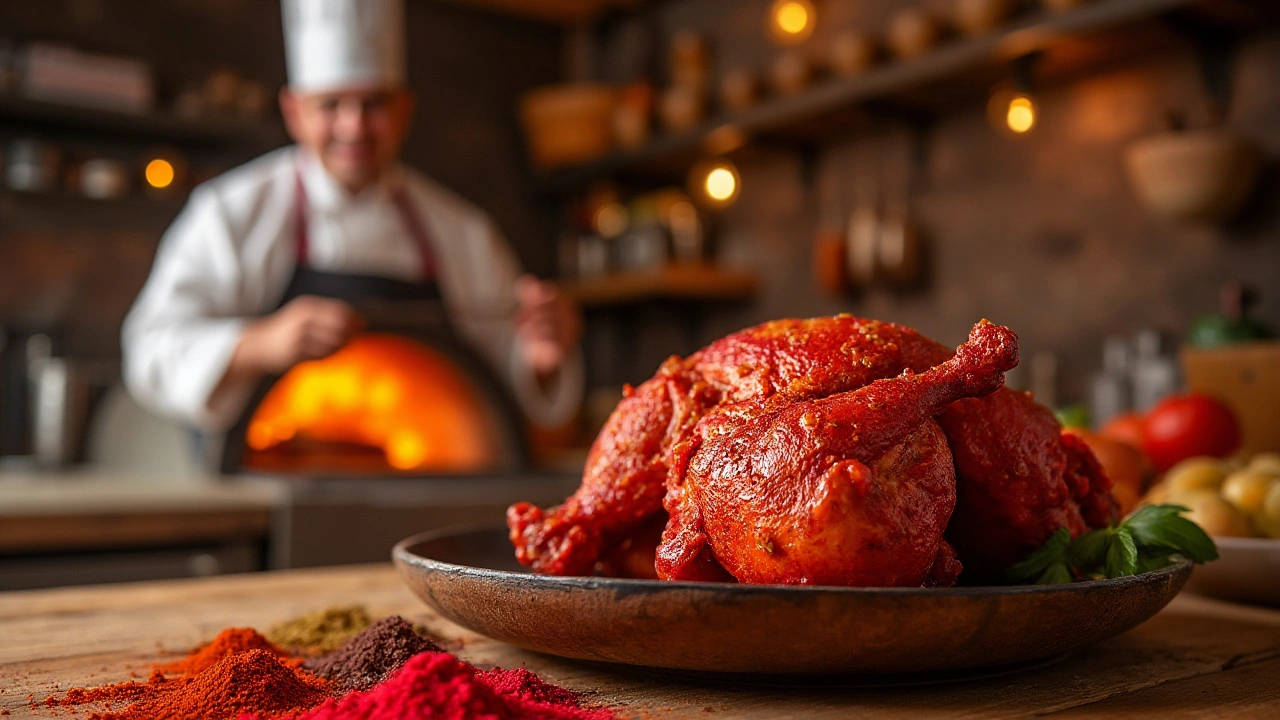
Mastering the Perfect Red Hue in Tandoori Chicken
Achieving the vibrant red hue in tandoori chicken is a blend of traditional seasoning and modern techniques. This guide explores the role of spices, natural food colors, and cooking methods that enhance the chicken's appearance and taste. Learn how saffron, paprika, and beetroot can offer a healthier alternative to synthetic dyes. Discover tips to balance flavor without compromising the authenticity of this classic dish. Perfecting this colorful dish could elevate your culinary skills to a new level.
learn more