Fluffy Roti: How to Make Soft, Puffy Indian Flatbread Every Time
When you pull a fluffy roti, a soft, puffy Indian flatbread made from whole wheat flour, water, and a pinch of salt. Also known as chapati, it’s the daily bread for millions across India—simple, nourishing, and perfect for scooping up curries or eating plain with ghee. But why do some rotis turn out hard and flat while others puff up like balloons? It’s not magic. It’s technique.
The secret to a truly fluffy roti lies in three things: dough consistency, rolling pressure, and heat control. Too much flour when rolling? The roti won’t puff. Dough too dry? It cracks. Pan too cold? No puff. You need the dough to be soft, like your earlobe—not stiff, not sticky. And the tawa (griddle) must be hot enough to create steam inside the dough in seconds. That steam is what makes it balloon. Many people skip resting the dough, but that step lets the gluten relax. Without it, the roti fights back when you roll it out and ends up tough.
Fluffy roti doesn’t need fancy tools. A rolling pin, a flat pan, and your hands are all you need. But it does need attention. You can’t rush it. The best rotis come from patience—not just in waiting for the dough to rest, but in watching each one as it cooks. You’ll see the bubbles form, then the edges lift. That’s your signal to flip. Press gently with a cloth or spatula—just enough to push the steam through. That’s when it puffing happens. If it doesn’t puff, the dough’s too dry, the pan’s too cool, or you rolled it too thin. It’s not about luck. It’s about learning the rhythm.
You’ll find plenty of roti recipes online, but most skip the real details. That’s why this collection focuses on the small things: how much water to use, whether to add oil to the dough, why some swear by letting the dough sit overnight, and how to fix rotis that won’t puff even after trying everything. You’ll also see how this basic flatbread connects to other South Indian staples—like dosa batter fermentation, the role of rice flour in texture, and why some families mix a little semolina for extra fluff. These aren’t just recipes. They’re habits passed down, tested over decades, and refined in kitchens from Mysore to Mumbai.
Below, you’ll find real fixes for common roti problems, tips from home cooks who make dozens every day, and comparisons with similar breads like paratha and naan. No fluff. Just what works. If you’ve ever thrown away a batch of hard rotis, you’re not alone. But now you know why it happened—and how to make sure it never happens again.
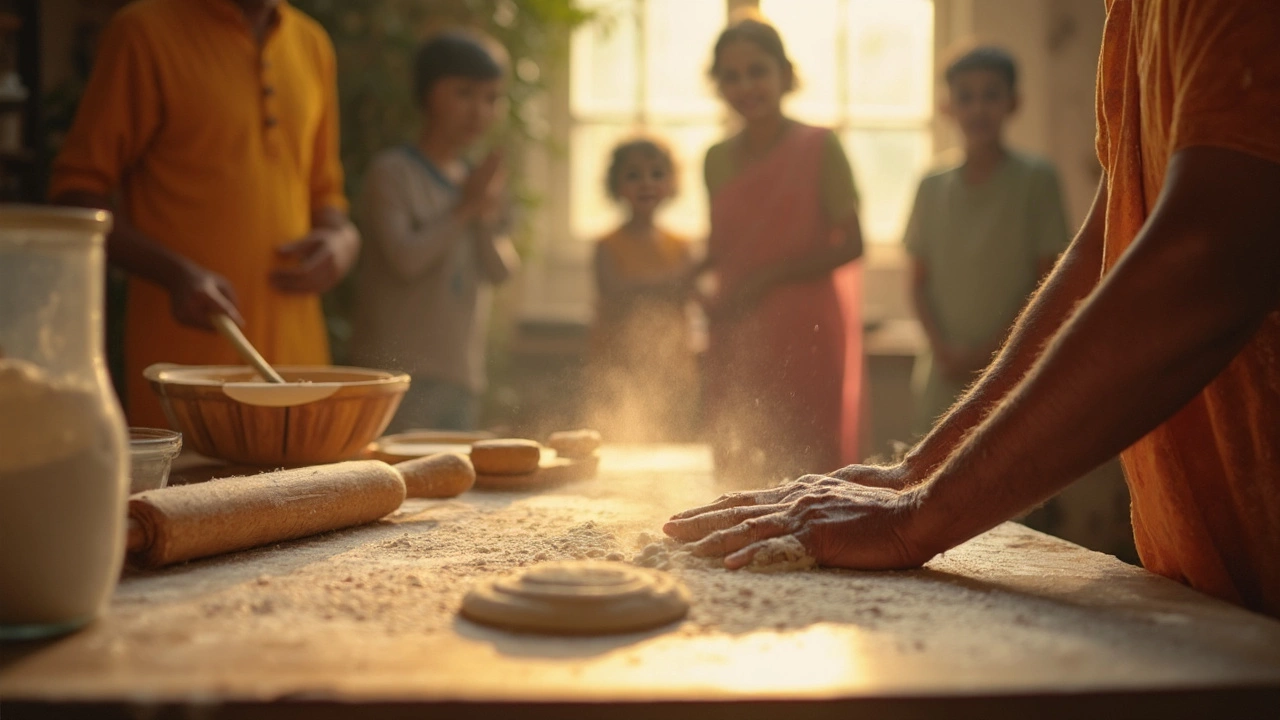
Secret to Fluffy Roti: Simple Tweaks for Soft Perfection
Everyone wants their roti to puff up perfectly and stay soft once it’s cooked, but not everyone knows how to get there. This article spills the real secrets behind fluffy roti, from the kind of flour to water ratios and kneading tricks. You’ll learn how little changes in your process make a huge difference. Say goodbye to hard, chewy rotis and impress at the dinner table. Even first-timers can follow these easy steps and nail it each time.
learn more
Which Gas Makes Roti Fluffy? Roti Science, Explained Simply
Ever wondered why some rotis puff up perfectly while others stay flat? This article digs into the science behind what really makes roti fluffy. Find out which gas is at play and how simple tweaks in your kneading and cooking steps can make a big difference. No jargon, just straightforward tips that work in any home kitchen. Perfect for anyone who wants soft, puffed rotis every time.
learn more