Flatbread Tips: Mastering Soft, Fluffy, and Crispy Indian Flatbreads
When you think of flatbread, a broad category of unleavened or fermented breads cooked on a griddle or in an oven, common in Indian households. Also known as roti, chapati, dosa, or paratha, it’s the backbone of daily meals across India—simple, nourishing, and deeply tied to regional cooking traditions. But getting it right isn’t just about flour and water. It’s about timing, temperature, and technique. A soft roti needs the right knead. A crispy dosa needs proper fermentation. A fluffy chappati needs even heat. Skip one step, and you’re left with a sticky mess or a tough, rubbery disk.
Many people blame their stove or pan, but the real issue is usually the dosa batter, a fermented mix of rice and urad dal that transforms into a light, crisp crepe when cooked right. Also known as fermented batter, it’s the foundation of South Indian breakfasts and demands patience. Too little fermentation? Your dosa won’t puff. Too much? It turns sour. The right ratio—usually 1:3 urad dal to rice—isn’t a suggestion, it’s a rule. And the pan? It needs to be hot enough to sizzle the batter instantly, but not so hot it burns before the inside sets. Then there’s roti making, the art of rolling and cooking unleavened wheat bread on a tawa or open flame. Also known as chapati, it’s not about strength—it’s about touch. Roll it thin, cook it slow, and flip it just as the first side bubbles. Too thick? It’s doughy. Too thin? It tears. And don’t skip the ghee—it’s not just flavor, it’s texture. These aren’t random recipes. They’re systems. And every post in this collection is built around fixing the exact mistakes people make—over-soaking dal, using cold batter, skipping resting time, or turning up the heat too fast.
You’ll find real fixes here: why your dosa sticks, how to tell if your batter is ready without guessing, what temperature your tawa should be, and how to store flatbread batter overnight without ruining it. No fluff. No theory. Just what works—tested in home kitchens, not fancy restaurants. Whether you’re trying to nail that first crispy dosa or make roti that doesn’t crack when you fold it, these tips cut through the noise. The next time you reach for flour, you won’t just be cooking—you’ll be following a proven process.
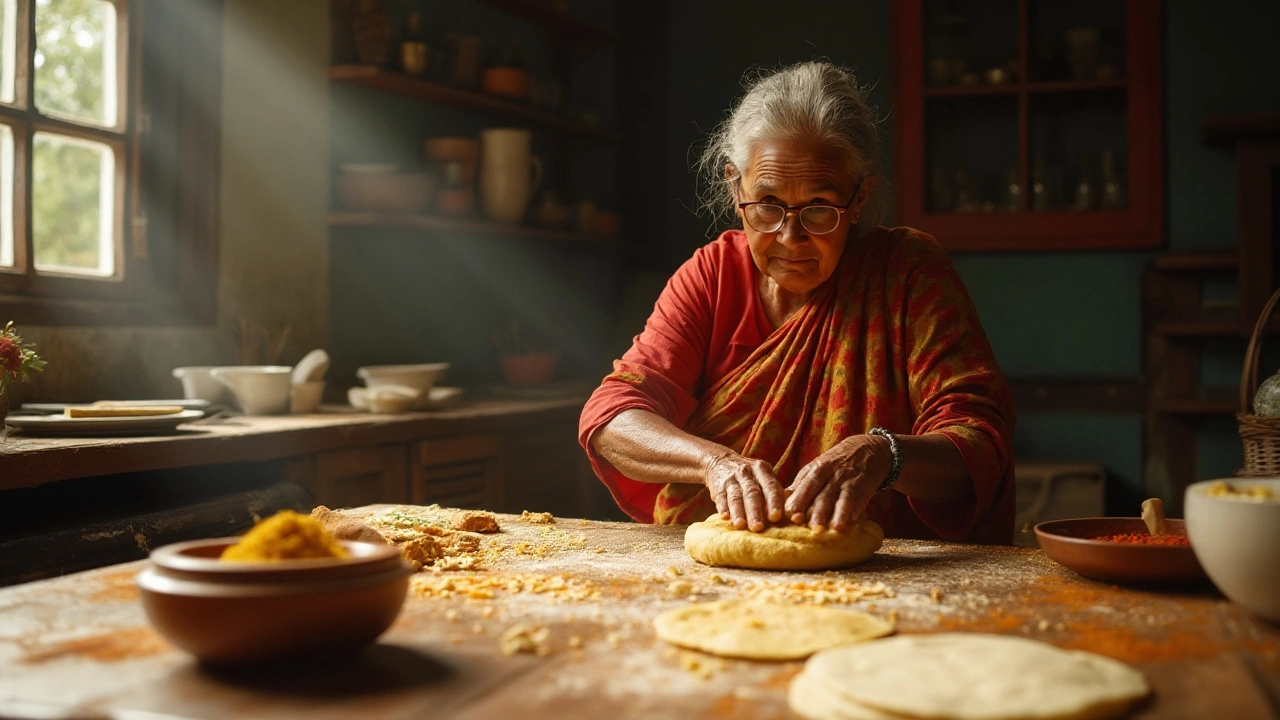
The Secret to Soft Roti Dough: Tips and Tricks for Perfect Flatbreads
Crafting the perfect roti is an art passed down through generations. Soft, pliable dough is key to making these beloved flatbreads. This article delves into the essentials of achieving the right texture, including the role of ingredients, kneading techniques, and resting time. Discover tips and secrets that can elevate your roti-making skills, leading to delicious and fluffy results every time.
learn more