Dosa Tips: How to Get Crispy, Fluffy Dosa Every Time
When you think of dosa, a thin, fermented South Indian crepe made from rice and urad dal batter. Also known as dose, it's one of India's most loved breakfasts — crisp on the outside, soft inside, and perfect with coconut chutney or sambar. But if your dosa turns out sticky, soggy, or uneven, it’s not your pan. It’s the batter. And the fermentation. And maybe the heat.
The secret isn’t in fancy tools or expensive ingredients. It’s in the urad dal to rice ratio, the standard 1:3 ratio that gives dosa its structure and lift. Too much rice? Your dosa cracks. Too much urad dal? It sticks like glue. Then there’s fermentation, the natural process where good bacteria turn the batter bubbly and light. If your batter doesn’t double in size after 8–12 hours, your dosa won’t crisp up. Cold kitchens kill fermentation. A warm spot — near the stove, in a turned-off oven with the light on — makes all the difference.
And don’t ignore the dosa batter consistency, it should flow like thick cream, not pour like water. Too thick? Your dosa is dense. Too thin? It tears. Test it by drizzling a spoonful — if it spreads slowly and leaves a trail, you’re golden. The pan matters too. Cast iron or well-seasoned steel heats evenly. A cold or greasy pan? That’s your soft dosa right there. A drop of water should sizzle and dance, not sit and steam.
People think dosa is hard. It’s not. It’s just finicky. One wrong step — skipping the soak, using tap water instead of filtered, stirring the batter after fermentation — and it all falls apart. But fix those basics, and you’ll get that crackle you’ve been chasing. You’ll see the bubbles form, smell the tang, and hear the sizzle when it hits the pan. That’s when you know: this is how dosa should be.
Below, you’ll find real fixes from people who’ve made hundreds of dosas — the kind that don’t just taste good but actually hold together. No fluff. No theory. Just what works in kitchens from Mysore to Mumbai. Whether your problem is batter that won’t ferment, a pan that won’t cooperate, or a dosa that refuses to crisp, you’ll find your answer here.
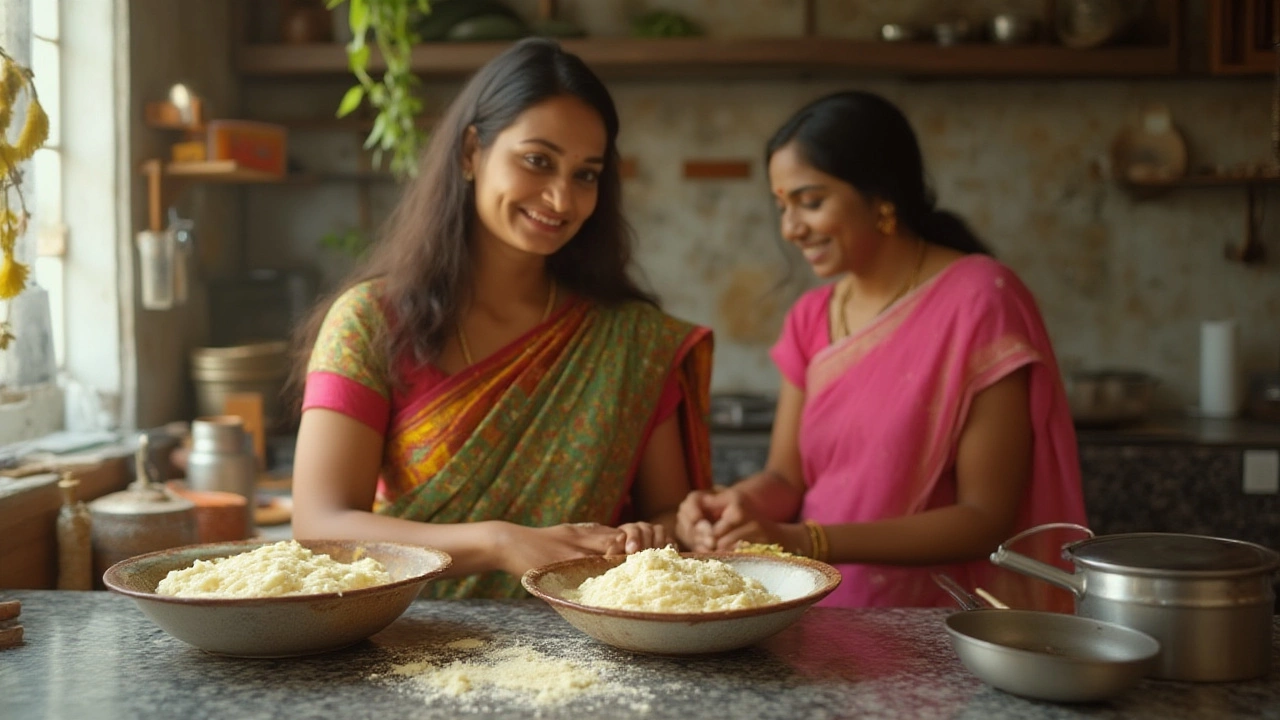
Why Is My Dosa Batter Not Fluffy? Proven Tips for Perfect Batter Every Time
Struggling with flat dosas? Discover why your dosa batter isn’t fluffy, learn step-by-step fixes, and get expert tips for consistently airy, crispy dosas at home.
learn more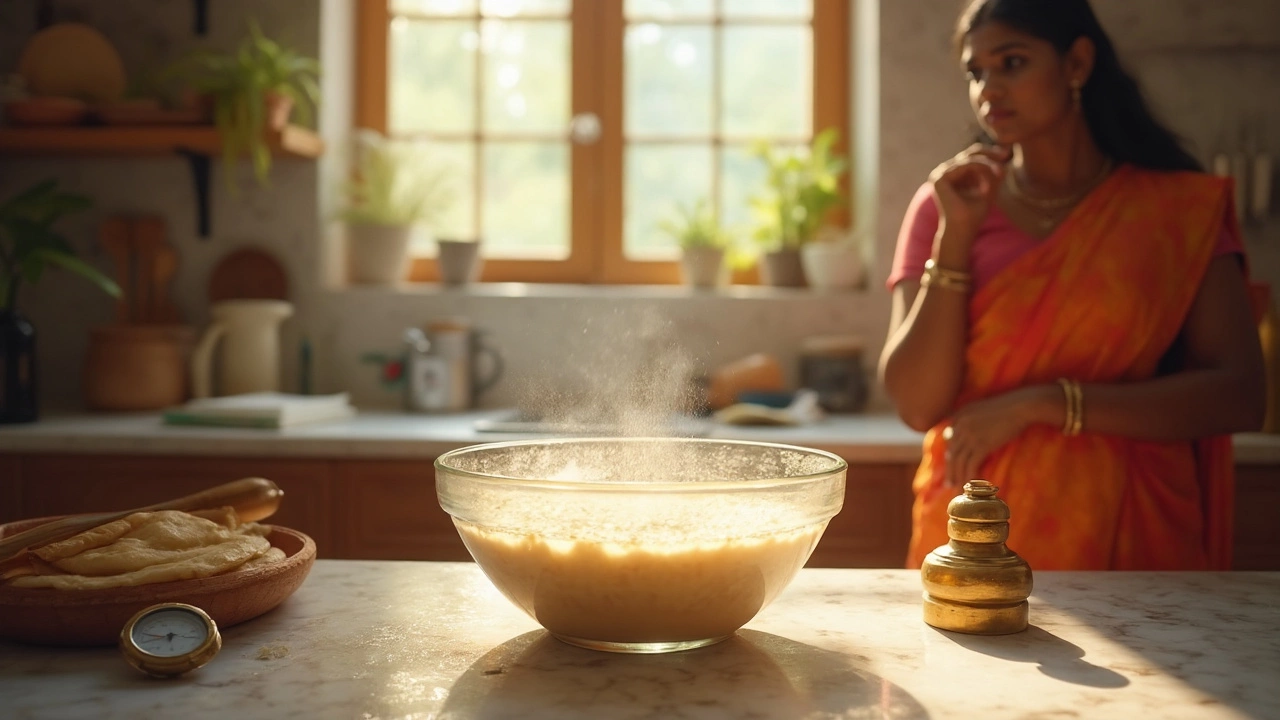
Dosa Batter: Why It Turns Sour and How to Prevent It
Ever wondered why dosa batter sometimes ends up too sour? This article breaks down the exact reasons behind sourness in dosa batter, driven by fermentation, temperature, and storage choices. You’ll pick up real tips for controlling batter flavor, extending its shelf life, and avoiding common mistakes. Get answers with concrete advice to keep your dosas tasting just right every time. Discover how to tweak your process for perfect results, every batch.
learn more
How to Ferment Dosa Batter Immediately: Quick Tips Inside
Fermenting dosa batter can be time-consuming, but there are ways to speed up the process without compromising taste. This guide will share quick techniques for immediate dosa batter fermentation, using common kitchen ingredients and equipment. Perfect for those who love dosa but hate waiting long hours for fermentation. Let's make this delicious South Indian staple faster and more accessible!
learn more