Dosa Texture: How to Get Crispy, Perfect Dosa Every Time
When you think of a perfect dosa texture, the ideal balance of crisp outer layer and soft inner fold that defines a well-made South Indian crepe, you’re not just chasing taste—you’re chasing technique. A good dosa shouldn’t be floppy, soggy, or stuck to the pan. It should crackle when you bite into it, hold its shape, and still be tender underneath. This isn’t magic. It’s about control: over fermentation, consistency, heat, and timing. And if your dosas keep turning out soft, it’s not your fault—you just haven’t been shown the right fixes.
The real secret behind dosa batter, a fermented mix of rice and urad dal that transforms from thick paste to airy, bubbly batter over hours isn’t just the 1:3 ratio of rice to urad dal. It’s what happens after you mix it. If the batter doesn’t ferment properly, it won’t puff up. If it’s too thick, it won’t spread. If it’s too thin, it tears. And if you pour it on a cold or greasy pan, it won’t crisp. You can have the best ingredients, but if the dosa fermentation, the natural process where wild yeast and bacteria break down starches, creating gas bubbles that give dosa its lightness is weak, your texture will suffer. Many people skip the wait, rush the process, or keep the batter in the fridge—none of that helps. Fermentation needs warmth, time, and patience. A good batter should smell slightly sour, look bubbly, and double in volume. That’s your green light.
Then there’s the pan. A cast iron tawa is non-negotiable. It holds heat evenly and creates that signature sear. A non-stick pan? It might release easier, but it won’t give you the same crunch. The heat has to be just right—medium-high, not blazing. Too hot, and the outside burns before the inside cooks. Too low, and the dosa soaks up oil and turns rubbery. A drop of water should sizzle and dance when you test it. And don’t pour oil all over the surface. Just a light smear on the edges to help it lift. The rest? That crispness comes from the batter hitting hot metal, not from drowning it in fat.
You’ll find dozens of posts below that break down every step: why your batter didn’t rise, how to fix watery or thick batter, which tools actually matter, and what common mistakes ruin texture every time. Some of these tips come from home cooks in Mysore who’ve made dosas for 40 years. Others are from testing dozens of batches in kitchens across India. There’s no fluff here—just what works. Whether you’re new to dosa or you’ve tried a dozen recipes and still got soft results, the fixes are simple. You just need to know where to look.
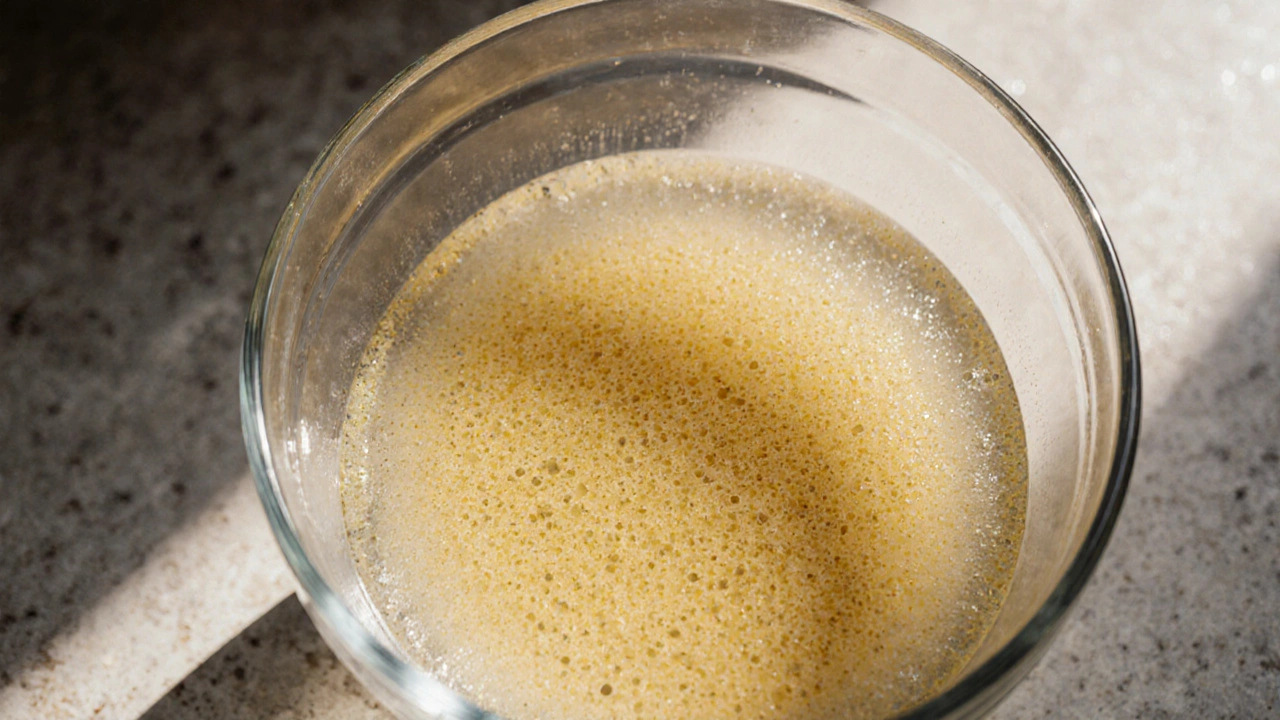
Why Add Poha to Dosa Batter? Benefits, Technique & Tips
Discover why poha is added to dosa batter, how it boosts fermentation, creates crisp texture, and learn a step‑by‑step method with tips and troubleshooting.
learn more
Should Dosa Batter Be Grainy? Authentic Texture Tips & Expert Advice
Explore whether dosa batter should be grainy or smooth. Get practical tips and expert insights for achieving the perfect authentic dosa texture every time.
learn more