Dosa Recipe: How to Make Crispy South Indian Dosa at Home
When you think of a dosa, a thin, fermented rice and urad dal crepe from South India, often served with coconut chutney and sambar. Also known as dosa, it's one of the most loved breakfast foods across India—and for good reason. It’s crispy on the outside, soft inside, and pairs perfectly with spicy chutneys and savory lentil stews. But most people struggle to get it right. Why? Because the batter isn’t fermented well, the ratio is off, or the pan is too cold. A good dosa recipe isn’t about fancy ingredients—it’s about timing, technique, and knowing what to avoid.
The heart of any great dosa is the batter. It needs a urad dal to rice ratio, typically 1:3, which gives the right balance of fluffiness from the dal and structure from the rice. Too much dal and it turns sticky. Too little and it won’t puff up. You soak both overnight, grind them smooth, then let the mix sit for 8–12 hours in a warm spot. That’s when the magic happens—natural yeast wakes up, bubbles form, and the batter rises. If your batter doesn’t smell slightly sour and look airy, it’s not ready. No shortcuts. No yeast packets. Real dosa comes from patience.
Then there’s the cooking. A hot griddle is non-negotiable. If the pan isn’t hot enough, the dosa soaks up oil and turns rubbery. Use a cast iron or non-stick tawa, wipe it with a little oil, pour a ladleful, and spread it fast in a circular motion. You’ll know it’s done when the edges lift and the surface looks dry and golden. If your dosa isn’t crispy, it’s not the recipe—it’s the heat, the batter, or both. And if you’ve tried before and failed? You’re not alone. Most online recipes skip the details that actually matter.
What you’ll find here aren’t just recipes. They’re fixes. Real answers to why your dosa didn’t crisp up, why the batter didn’t ferment, and how to fix it next time. You’ll learn what happens if you use cold water to grind, why metal bowls ruin fermentation, and how to tell when your batter is perfectly ripe. There’s also a deep dive into the science behind the 1:3 ratio, how humidity affects fermentation, and what to do if you live in a cold climate. This isn’t theory—it’s what works in kitchens from Mysore to Minnesota.
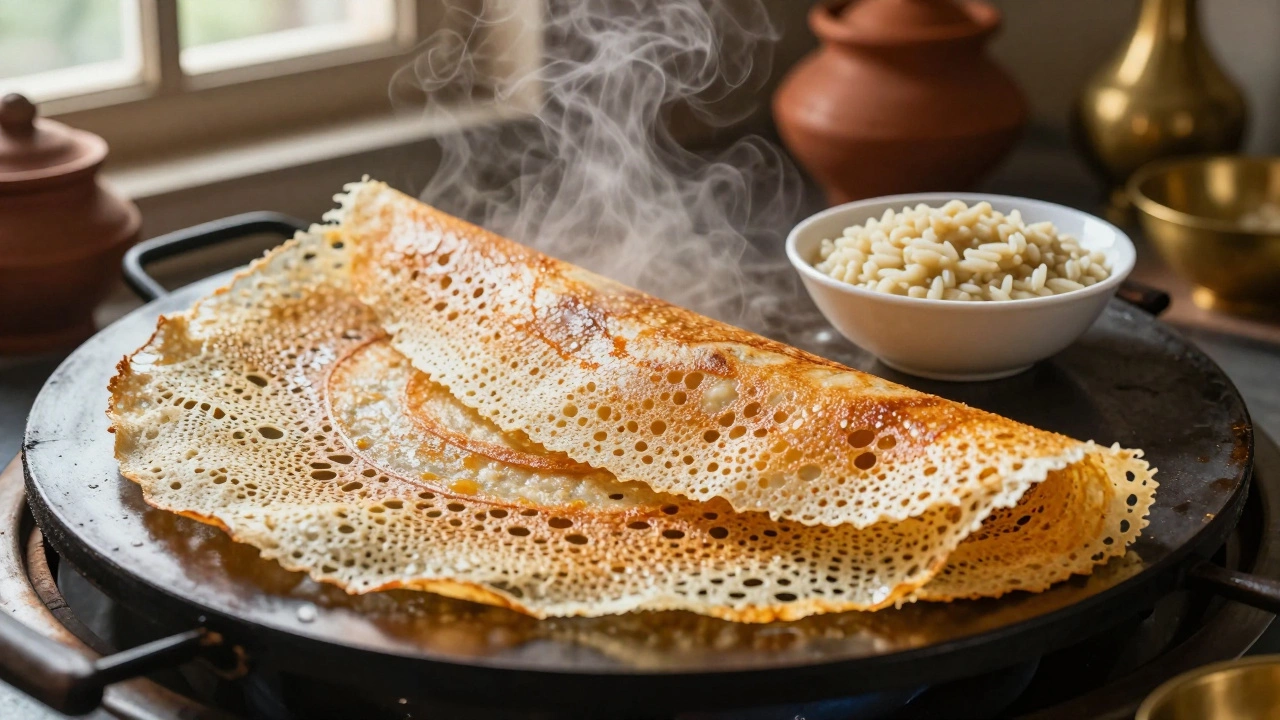
Why Do We Add Rice in Dosa Batter? The Science Behind the Perfect Crisp Dosa
Rice in dosa batter isn't just tradition-it's science. Learn why rice is essential for fermentation, crisp texture, and digestibility in authentic South Indian dosas.
learn more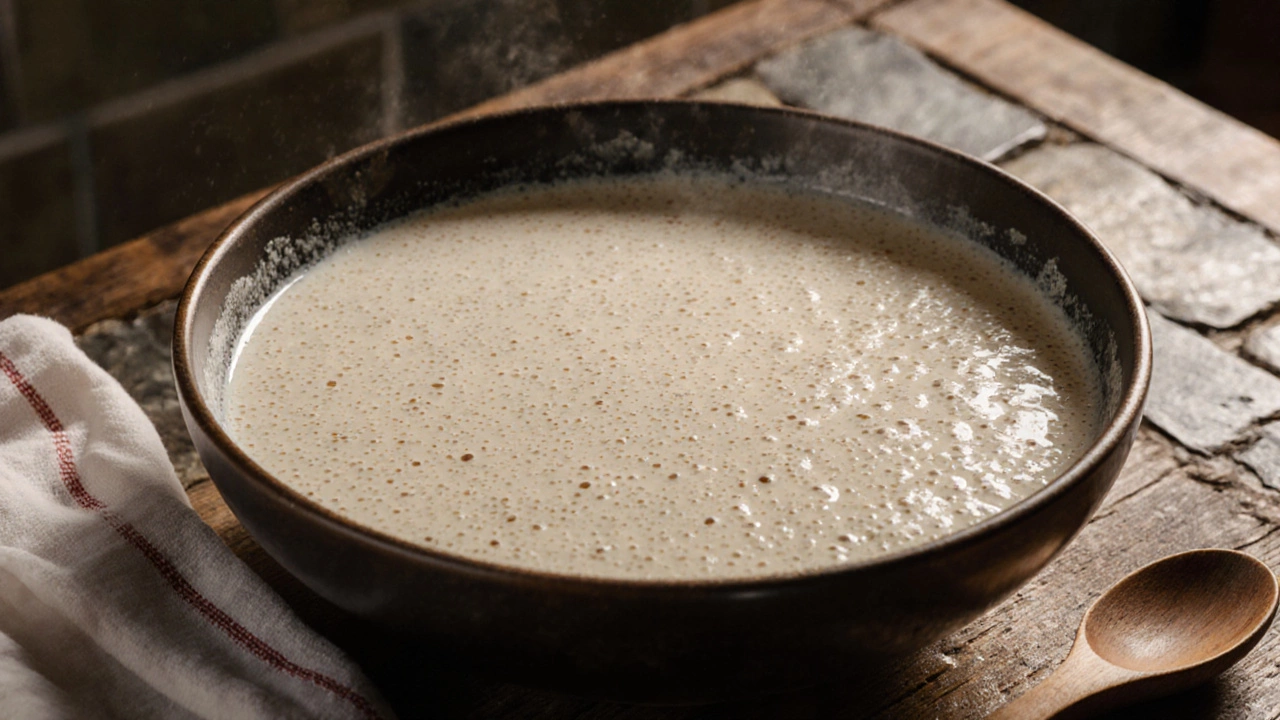
Why Is My Dosa Soft and Not Crispy? Fix Your Batter and Technique
Soft dosa instead of crispy? It’s usually due to under-fermented batter, wrong consistency, or a cold pan. Learn how to fix your dosa recipe with simple steps for perfect crispness every time.
learn more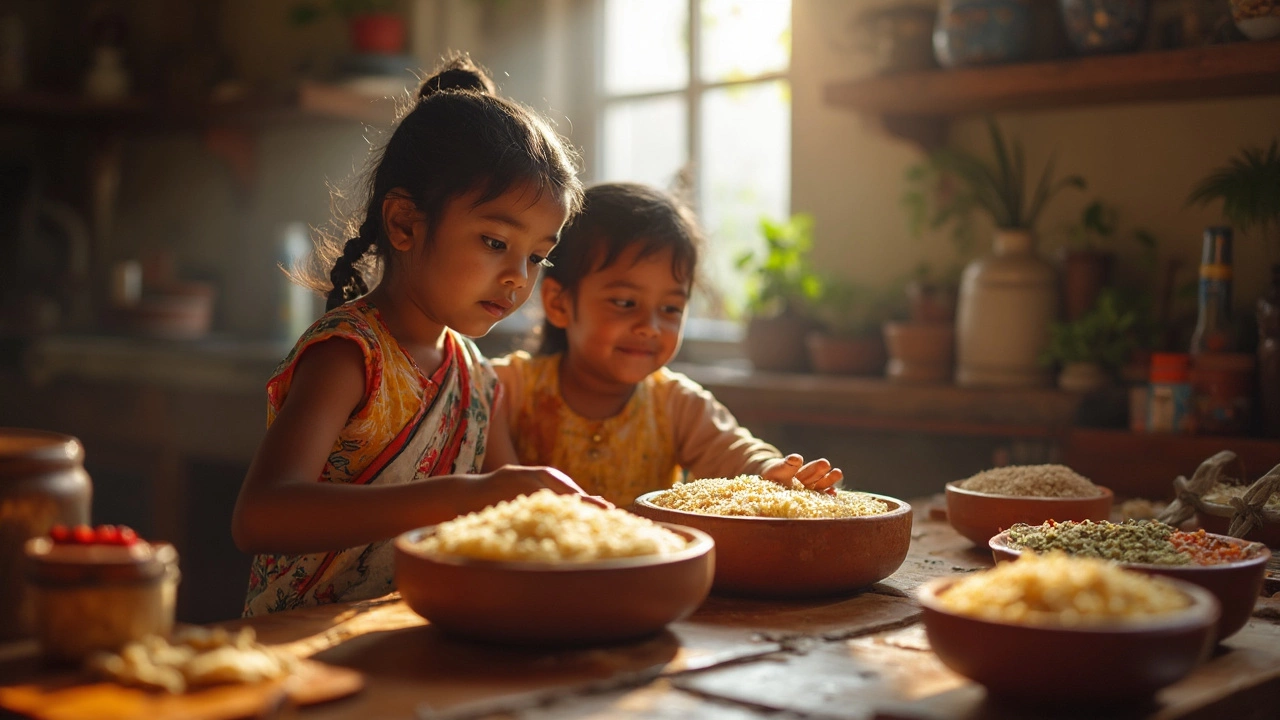
Should Dosa Batter Be Grainy? Authentic Texture Tips & Expert Advice
Explore whether dosa batter should be grainy or smooth. Get practical tips and expert insights for achieving the perfect authentic dosa texture every time.
learn more
Baking Soda Alternatives for Dosa Batter: What Works Best?
Forgot baking soda in your dosa batter? No stress. This article covers effective, easy-to-find substitutes you can use to make soft dosas without it. From common kitchen ingredients to age-old tricks, you'll discover what works, what doesn't, and why. You'll even pick up handy tips to get perfect results every time. No baking soda, no problem—you'll still enjoy those fluffy dosas.
learn more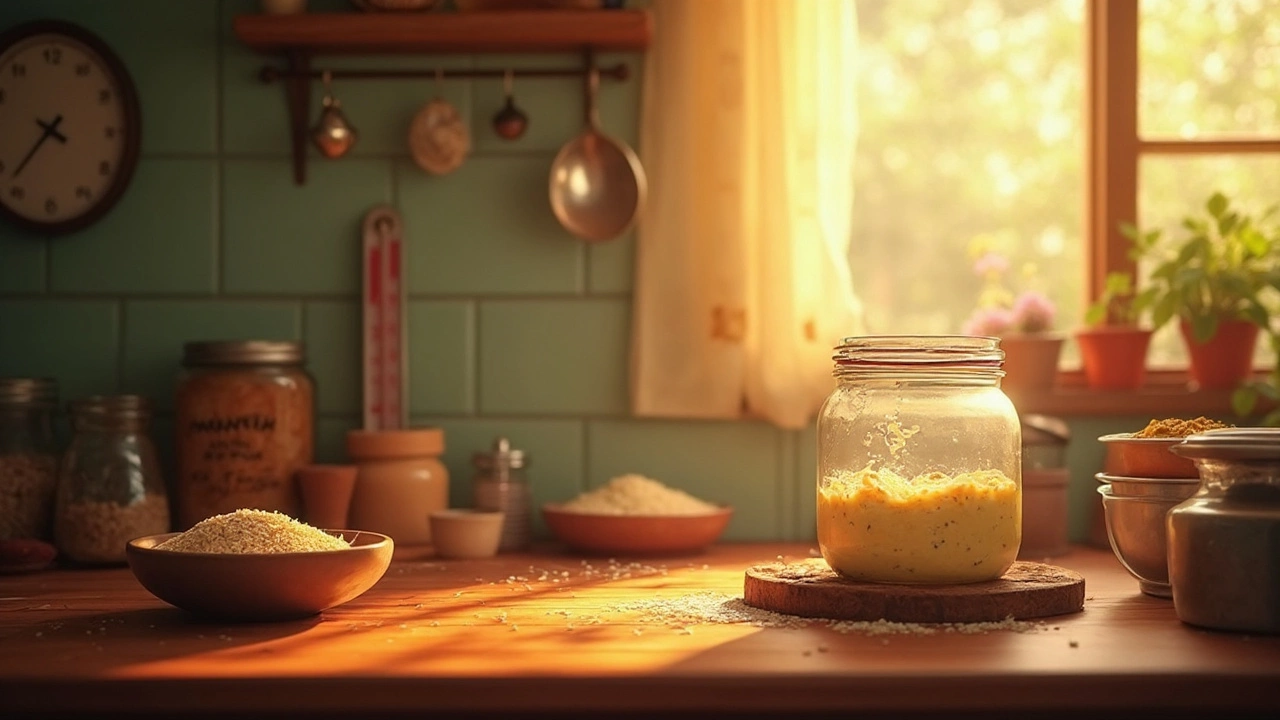
Instantly Fermenting Dosa Batter: Quick and Easy Tips
Fermenting dosa batter can be a lengthy process, but what if you’re craving dosas right now? Discover how to ferment dosa batter instantly using simple tricks and adjustments. Speed up fermentation with common kitchen ingredients and environmental tweaks without compromising on the traditional flavor. Whether you're in Auckland or anywhere else, enjoy fresh, fluffy dosas in record time. Learn these easy techniques that save time and make your cooking more efficient.
learn more
How to Reduce the Glycemic Index of Dosa: Simple Tips and Tricks
This article explores effective ways to lower the glycemic index of dosa, making it a healthier choice. It offers practical tips for modifying the traditional dosa batter, including ingredient substitutions and preparation techniques. Readers will learn how simple changes can lead to a more balanced and nutritious meal without sacrificing flavor. By understanding these adjustments, the dosa lovers can enjoy their favorite dish with added health benefits.
learn more
Mastering Dosa: The Perfect Batter Recipe for Authentic Taste
Crafting the perfect dosa is an art that begins with the right batter. This article delves into the secrets of making dosa batter that results in the crisp and flavorful dosa everyone loves. Learn the importance of ingredient ratios, fermentation tips, and troubleshooting common issues for a flawless cooking experience. Discover the cultural significance and get insightful tips to enhance your dosa-making skills. Whether you're a newbie or an experienced cook, these guidelines will help you achieve dosa perfection.
learn more