Dosa Cooking Tips: Perfect Crispy Dosa Every Time
When you think of dosa, a thin, fermented rice and urad dal crepe from South India, often served with chutney and sambar. Also known as South Indian pancake, it's one of the most loved breakfast foods across India and beyond. But getting it right isn’t just about the recipe—it’s about the dosa batter, a fermented mix of rice and urad dal that must be balanced, rested, and handled just right. Too thick? Too thin? Under-fermented? You’ll end up with a soft, sticky mess instead of that crisp, golden edge you crave.
The secret isn’t magic—it’s science. The urad dal to rice ratio, typically 1:3, determines texture, crispness, and fermentation speed. Too much rice, and your dosa won’t puff. Too much urad dal, and it turns gummy. Then there’s fermentation—temperature matters. If your kitchen is cold, your batter won’t rise. A warm spot, like near the oven or wrapped in a towel, makes all the difference. And don’t skip the salt—it feeds the good bacteria that do the work. Even the pan you use counts. A cast iron tawa heats evenly and holds heat better than non-stick, which often cools too fast when you pour the batter.
Most people blame the recipe when their dosa fails. But it’s usually the dosa fermentation, the natural process where microbes break down starches and create gas for lift and flavor. that’s the issue. Fermentation isn’t just about time—it’s about smell and texture. If your batter smells sour but not rotten, and bubbles rise slowly when you stir, you’re good. If it’s flat and smells like wet flour, start over. And never use metal bowls for fermenting—aluminum or steel can kill the culture. Glass or ceramic only.
What you’ll find here aren’t just tips—they’re fixes. Real, tested solutions for soft dosas, uneven cooking, sticky batter, and bland flavor. We’ll walk you through how to adjust your batter consistency, how to tell when it’s ready, what temperature to cook at, and why adding a pinch of fenugreek seeds can make your dosa crispier. You’ll also learn why some people soak rice overnight while others don’t, and how to fix a failed batch without wasting ingredients.
These aren’t theoretical ideas. They’re the same tricks used by street vendors in Mysore and home cooks who’ve been making dosas for decades. No fancy gadgets. No expensive ingredients. Just clear, simple steps that work. Whether you’re a beginner who’s never made a dosa or someone who’s tried ten times and still got a pancake instead of a crisp, this collection has what you need. Let’s get your dosas right—once and for all.
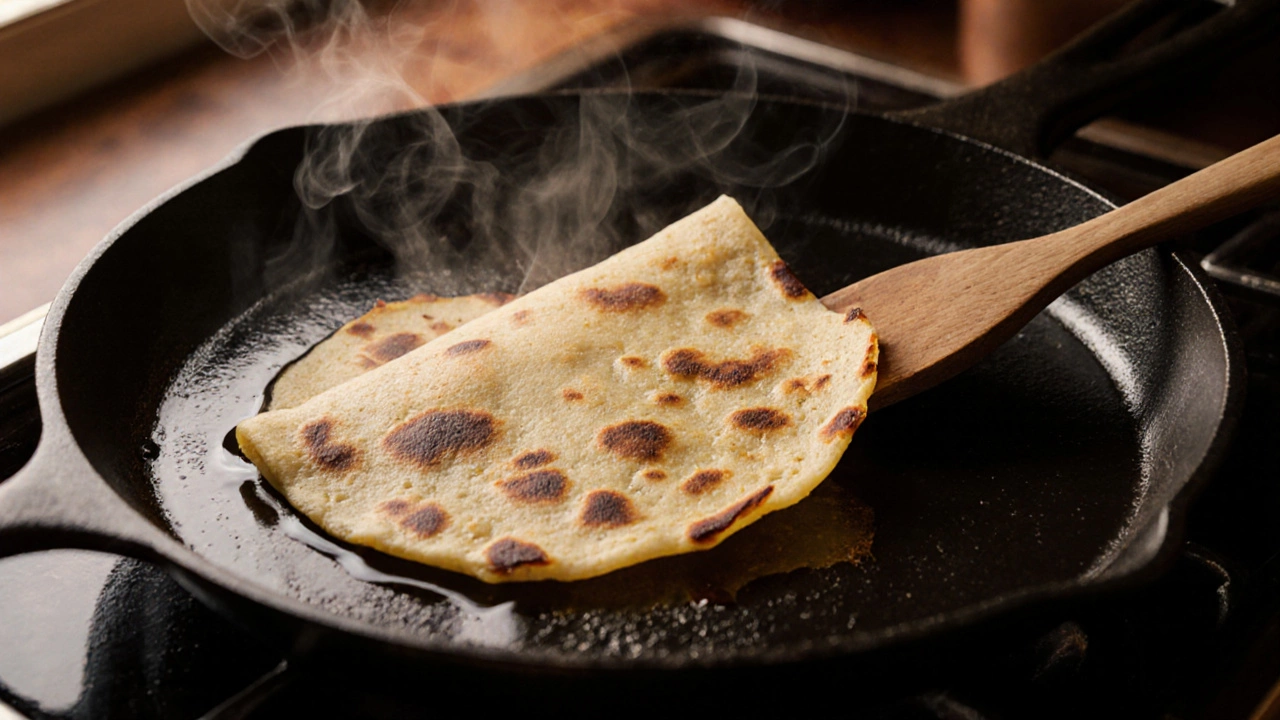
Why Your Dosa Isn’t Crispy and How to Fix It
Learn why your dosa turns soggy and get proven tips, equipment choices, and a step‑by‑step checklist to achieve perfectly crispy dosas every time.
learn more