Dosa Batter Recipe: How to Make Perfect Crispy Dosa at Home
When you think of dosa batter recipe, a fermented mix of rice and lentils used to make thin, crispy Indian crepes. Also known as dosa batter, it’s the foundation of one of South India’s most loved breakfasts. But most people don’t realize how delicate this batter is. Too thick? It sticks. Not fermented enough? It’s soft and lifeless. Too much water? It won’t hold shape. The difference between a perfect dosa and a sad, soggy disc comes down to just a few things—and most of them aren’t in the recipe itself.
The fermented dosa, the process where natural bacteria break down starches and create air bubbles that give dosa its lift and crispness is everything. You can’t rush it. A 12-hour ferment in a cold kitchen won’t cut it. You need warmth, time, and patience. And the rice-to-lentil ratio, the balance between parboiled rice and urad dal that determines texture and crispness matters more than you think. Too much dal? Your dosa turns rubbery. Too little? It crumbles. The sweet spot is usually 3:1 or 4:1, depending on the rice you use.
And then there’s the pan. A cold or poorly seasoned tawa ruins even the best batter. You need heat—real, even heat. And you don’t need fancy tools. A cast iron griddle works better than most non-stick pans. The batter should spread easily, not cling. If it’s sticky, your batter’s too thick. If it’s watery, you’ve added too much water after fermenting. Both are common mistakes. And yes, the water you soak the rice and dal in? Don’t throw it out. That starchy liquid is part of the magic.
What you’ll find in the posts below aren’t just recipes. They’re fixes. Real, tested fixes for why your dosa isn’t crispy, why it sticks, why it tastes flat. You’ll see how humidity, water quality, even the type of rice you buy can change everything. No fluff. No vague advice like "just let it sit longer." Just what works—and what doesn’t. Whether you’ve been trying for weeks or just started, you’ll find the exact step you missed. This isn’t about following a recipe. It’s about understanding the batter—and finally getting that crackle when you bite into it.
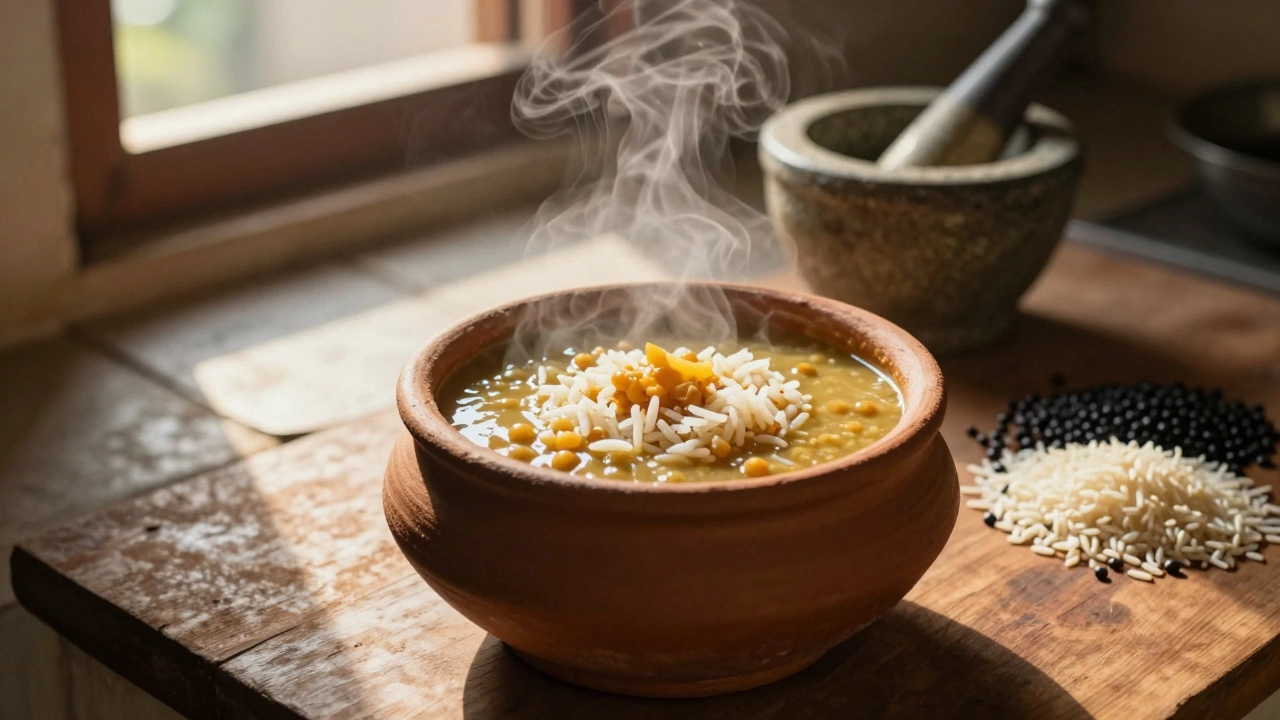
Is Dosa Gut Friendly? The Truth About Fermented Rice and Lentil Batter
Fermented dosa batter is rich in probiotics and easy to digest, making it a gut-friendly breakfast. Learn how rice and urad dal fermentation supports digestion and how to make it at home.
learn more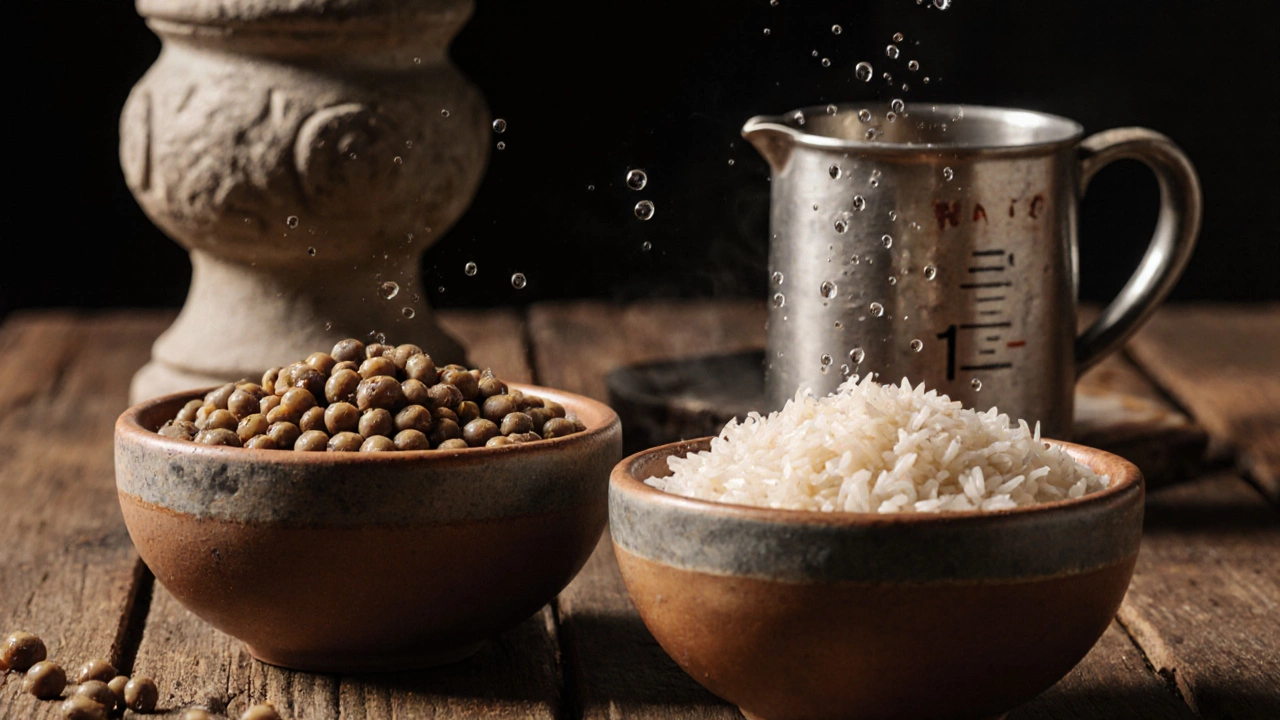
What Is the Ratio of Urad Dal to Rice for Perfect Dosa Batter?
The perfect dosa batter needs a 1:3 ratio of urad dal to rice. Learn why this ratio works, how to soak and ferment the batter, and how to avoid common mistakes for crispy, fluffy dosas every time.
learn more
Why Do We Sleep After Eating Dosa? Simple Science Behind the Post-Meal Nap
Ever wondered why you feel sleepy after a plate of dosa? This article breaks down the science behind that post-dosa drowsiness. It covers what happens inside your body during digestion, how dosa ingredients play a role, and shares tips to avoid food comas without missing out on your favorite meal. You'll also find practical advice for making your meals lighter and managing your energy levels. It's all here, explained in everyday language.
learn more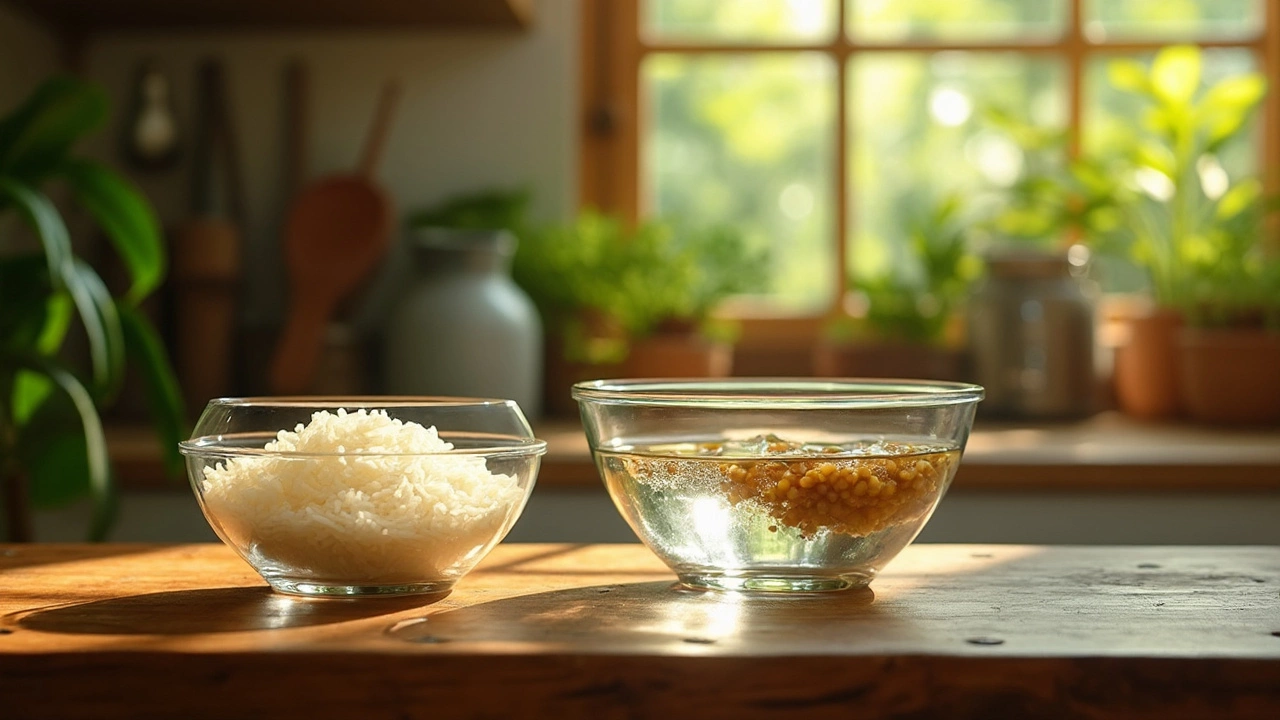
How Many Hours to Soak Rice and Urad Dal for Idli Batter
Ever wondered how long you really need to soak rice and urad dal for the best idlis? This article breaks down the exact soaking times and why they matter, steering clear of guesswork. You'll also find practical tips to fix soaking mistakes and speed up the process on busy days. We'll talk about how temperature affects soaking, plus sneaky hacks for fluffier, softer idlis. If you've been getting dense or flat idlis, this guide helps you get it right every single time.
learn more
What Happens If We Add Curd to Dosa Batter? Insider Tips for Softer, Tastier Dosai
Ever wondered why some dosas turn out softer and more flavorful than others? Adding curd to dosa batter can work magic on fermentation and texture. This article unpacks the science and tradition behind using curd, with practical tips and troubleshooting tricks for every home cook. You’ll learn how to avoid common failures and make your dosas rival your favorite South Indian tiffin spot. Discover if curd is the missing secret in your dosa game.
learn more