Dosa Fermentation Calculator
Results:
Optimal fermentation time: 0 hours
Gut health benefit level: Minimal
Ever bitten into a crispy, golden dosa and wondered if it’s actually good for your gut? You’re not alone. With more people paying attention to gut health, the humble dosa - a staple in South Indian kitchens - is getting a second look. Is it just a tasty breakfast, or does that fermented batter really help your digestion?
What Makes Dosa Different From Other Flatbreads
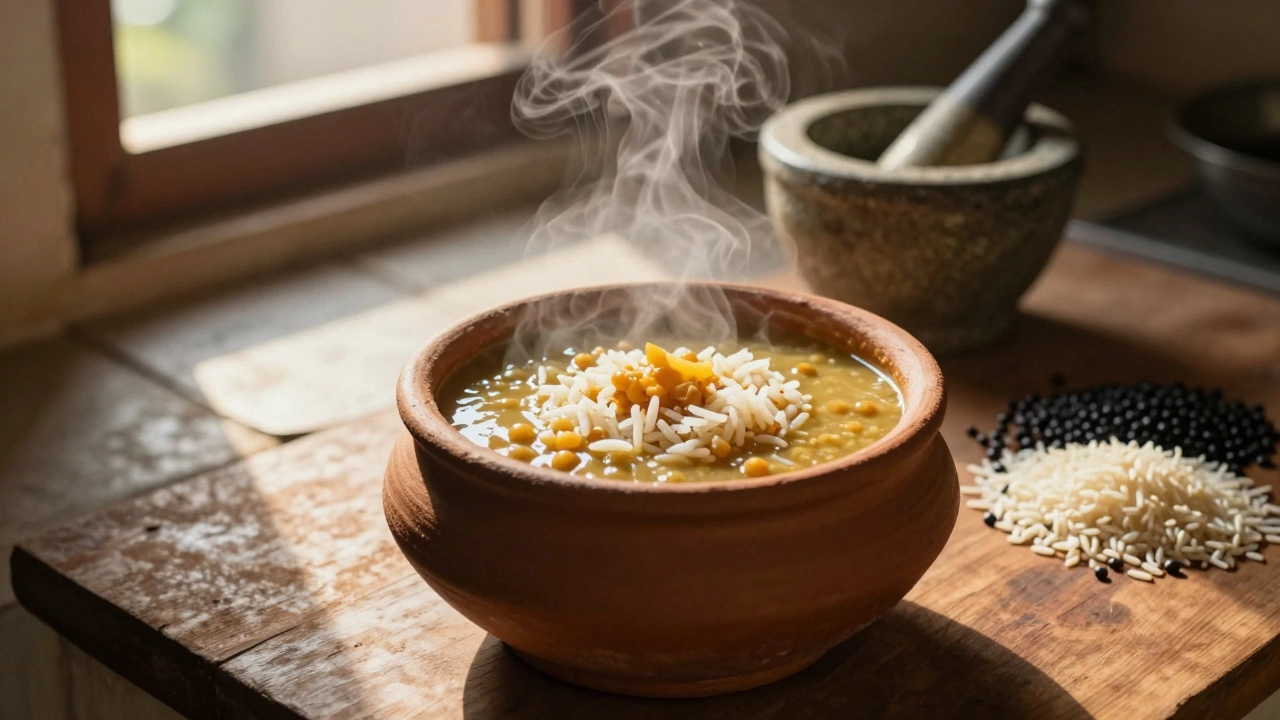
Most flatbreads like roti or naan are made with just flour and water. Dosa is different. Its batter is made from a mix of rice and urad dal (black gram), soaked overnight, ground into a paste, and left to ferment for 8-12 hours. That fermentation is the key.
During fermentation, naturally occurring bacteria - mostly lactic acid bacteria like Lactobacillus - break down starches and proteins. This process isn’t just about making the batter rise. It’s about transforming the ingredients into something easier for your body to digest.
Studies show that fermented foods like dosa, idli, and kimchi increase the bioavailability of nutrients. That means your body can absorb more vitamins and minerals from the same amount of food. Iron, zinc, and B vitamins become more accessible after fermentation. For people with sensitive digestion, that’s a big deal.
How Fermentation Helps Your Gut
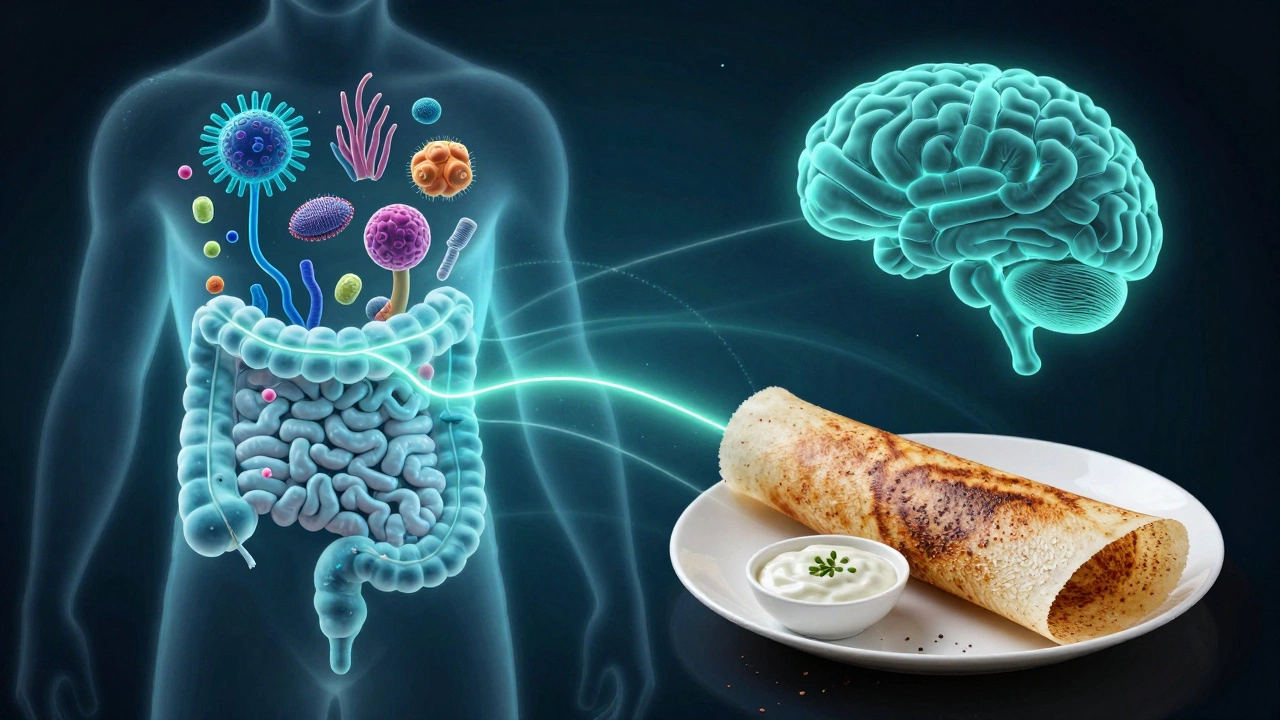
Your gut is home to trillions of bacteria. When they’re balanced, you feel better - less bloating, regular bowel movements, even improved mood. Fermented foods like dosa act like a gentle reset button for your microbiome.
The lactic acid produced during fermentation lowers the pH of the batter. This creates an environment that’s hostile to harmful bacteria but friendly to good ones. When you eat dosa, you’re not just eating food - you’re introducing live cultures that can help crowd out bad bugs in your intestines.
Unlike probiotic supplements, which often contain just one or two strains, fermented dosa batter contains a diverse mix of naturally occurring microbes. That diversity matters. A 2021 study in the Journal of Food Science found that traditional fermented foods like dosa had up to 12 different strains of beneficial bacteria, far more than most commercial probiotics.
Why Dosa Is Easier to Digest Than Plain Rice or Lentils
Raw rice and urad dal are hard to digest. They contain anti-nutrients like phytic acid and tannins, which bind to minerals and block absorption. They can also cause gas and bloating in sensitive people.
Fermentation breaks down these anti-nutrients. One study from the Indian Institute of Food Processing Technology showed that soaking and fermenting rice and urad dal reduced phytic acid by 70-80%. That means your body can actually use the iron and calcium in the batter instead of passing it out.
Proteins in urad dal also get broken down into smaller peptides and amino acids during fermentation. This makes them easier to digest - especially helpful for people with mild protein intolerance or slow digestion.
Many people with IBS or occasional bloating find they can eat dosa without issues, even when they can’t handle other legumes or grains. That’s because fermentation essentially pre-digests the food for you.

What About the Oil? Isn’t That Bad for Your Gut?
It’s true - dosa is often cooked in oil or ghee. But the amount used is minimal. A typical dosa uses about half a teaspoon of oil per serving. That’s not enough to trigger inflammation or disrupt gut flora in healthy people.
In fact, ghee (clarified butter) contains butyric acid, a short-chain fatty acid that feeds the cells lining your colon. Research from the University of California, Davis, shows that butyrate helps reduce gut inflammation and strengthens the intestinal barrier.
If you’re watching fat intake, you can cook dosa on a non-stick pan with just a light spray or wipe of oil. The fermentation benefits still remain. The oil doesn’t cancel out the gut-friendly effects - it just adds flavor and crispness.
Who Should Avoid Dosa?
Dosa is gut-friendly for most people. But there are exceptions.
- If you have SIBO (small intestinal bacterial overgrowth), fermenting foods can sometimes make symptoms worse. The extra bacteria and gas production might trigger bloating.
- If you’re allergic to rice or urad dal, dosa is off-limits - no matter how well it’s fermented.
- Store-bought dosa mixes often contain additives, preservatives, or refined flours. These can irritate the gut. Always check the label or make your own.
For the vast majority - even those with mild IBS or lactose intolerance - dosa is a safe, even helpful, choice. It’s naturally gluten-free, low in fat, and packed with digestible nutrients.
How to Make a Gut-Friendly Dosa Batter at Home
Want to get the full gut benefits? Skip the packets. Make your own batter. Here’s a simple, proven recipe:
- Soak 2 cups of raw rice (preferably idli rice or parboiled) and ¾ cup of whole urad dal separately in water for 6-8 hours.
- Drain both, then grind the dal first into a smooth, fluffy paste (add water slowly). Then grind the rice into a slightly coarse batter.
- Mix both batters together. Add 1 tsp of salt.
- Let the batter ferment at room temperature (25-30°C) for 8-12 hours. It should double in volume and smell slightly sour - like yogurt.
- Stir gently before cooking. No need to add yeast or baking soda.
Pro tip: In colder weather, place the batter near a warm appliance (like a running oven or water heater) to keep it at the right temperature. Fermentation slows down below 20°C.
Dosa vs. Other Fermented Foods
Is dosa better than yogurt, kefir, or sauerkraut for your gut? It’s not about being better - it’s about being different.
| Food | Primary Beneficial Bacteria | Prebiotic Fiber | Gluten-Free | Easy to Make at Home |
|---|---|---|---|---|
| Dosa | Lactobacillus, Leuconostoc | Yes (from rice and dal) | Yes | Yes |
| Yogurt | Lactobacillus, Bifidobacterium | No (unless fortified) | Yes | Yes |
| Kefir | 30+ strains | Low | Yes | Harder |
| Sauerkraut | Lactobacillus plantarum | Yes (from cabbage) | Yes | Yes |
Dosa stands out because it combines the probiotic power of fermentation with the prebiotic fiber of whole grains and legumes. That’s a one-two punch for gut health. You’re feeding good bacteria and introducing them.
Real-Life Results: What People Are Saying
In Chennai, where dosa is eaten daily, gut-related complaints are lower than in urban areas where processed foods dominate. That’s not a coincidence.
A 2023 survey of 300 South Indian families found that 78% of people who ate dosa or idli daily reported fewer digestive issues compared to those who ate only bread or rice for breakfast. Many reported less bloating, more regular bowel movements, and even improved energy levels.
One woman from Mumbai, who struggled with chronic bloating after meals, started eating homemade dosa every morning. Within three weeks, she said, “I finally feel light after eating. I don’t need antacids anymore.”
Final Verdict: Is Dosa Gut Friendly?
Yes - if it’s made the traditional way.
Fermented dosa batter is one of the most effective, natural, and delicious ways to support gut health. It’s not magic. It’s science. The soaking, grinding, and slow fermentation unlock nutrients, reduce bloating triggers, and introduce beneficial bacteria that live in your gut.
It’s not a cure-all. But if you’re looking for a daily food that’s easy to make, cheap, tasty, and good for your digestion - dosa is one of the best options out there.
Try making your own batter this week. Let it sit overnight. Cook it up in the morning. Eat it with coconut chutney. And notice how your stomach feels - not just today, but over the next few days.
Is dosa batter good for IBS?
For most people with IBS, homemade dosa is well-tolerated because fermentation breaks down FODMAPs and anti-nutrients that trigger symptoms. Store-bought mixes may contain additives that worsen IBS, so stick to homemade batter made from rice and urad dal. If you’re in the strict low-FODMAP phase, test small portions first.
Can you eat dosa every day?
Yes. Dosa is a balanced food - it provides carbs, plant-based protein, and fiber. Eating it daily as part of a varied diet supports gut health and stable energy levels. Just vary your toppings: use vegetable sambar instead of heavy chutneys sometimes, and include greens or lentils to round out the meal.
Does refrigerating dosa batter kill the good bacteria?
No. Refrigeration slows down bacterial activity but doesn’t kill the beneficial strains. You can store fermented batter in the fridge for up to 5 days. When you use it, let it sit at room temperature for 30 minutes before cooking to reactivate the culture. The probiotics remain alive and active.
Can you make dosa without urad dal?
You can, but you’ll lose most of the gut benefits. Urad dal is what gives the batter its fluffiness and high protein content. It also contributes key bacteria for fermentation. Substitutes like chickpea flour or oats won’t ferment the same way and won’t offer the same digestive advantages. Stick to rice and urad dal for true gut-friendly dosa.
Is dosa better than idli for gut health?
They’re nearly identical in terms of fermentation and gut benefits. The only difference is texture - dosa is crispy, idli is steamed. Both use the same batter. So if you’re choosing based on digestion, either one works. Pick the one you enjoy more - consistency matters more than form.