Dosa Batter Ingredients: What You Need for Perfect Crispy Dosa
When you make dosa batter ingredients, the core components that form the base of South India’s most beloved breakfast. Also known as dosa batter mix, it’s not just rice and lentils—it’s a living, breathing fermentation process that turns simple grains into something crispy, light, and full of tangy flavor. Skip the right balance, and you’ll end up with a soft, sticky mess instead of that golden, crackling crispness you crave.
The magic starts with two main players: urad dal, a small, white lentil that puffs up and creates air pockets when ground and fermented, and rice, preferably parboiled or idli rice, which gives structure and body. The ratio? Most experts agree on 1:3—one part urad dal to three parts rice. Too much dal, and your dosa turns gummy. Too little, and it won’t lift or crisp. Add a pinch of fenugreek seeds to the dal before soaking—they help with fermentation and give that subtle bitter note that balances the sweetness of the rice. Salt? Add it after grinding, not before. It slows down the microbes that do the work of turning your batter fluffy.
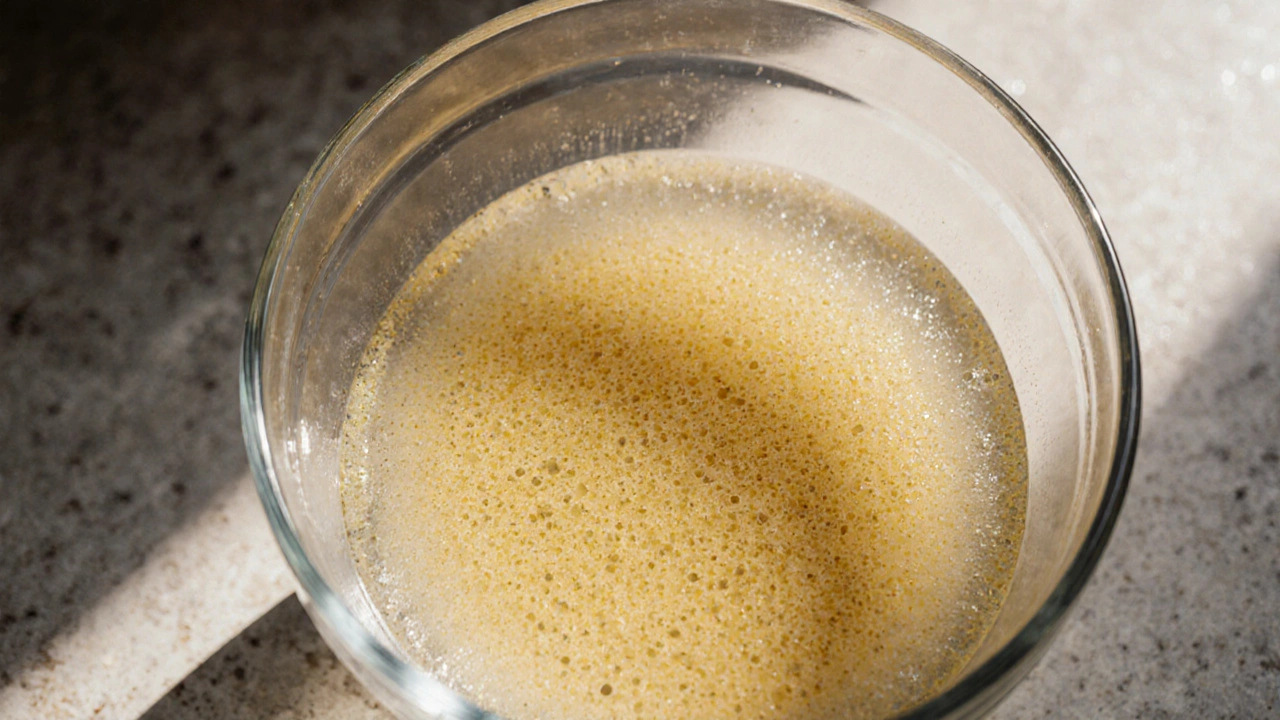
Water matters too. Use clean, cool water—chlorinated tap water can kill the natural bacteria you need. And don’t skip the soak. Urad dal needs 4 to 6 hours, rice 6 to 8. Grind the dal first until it’s smooth and airy, then the rice until it’s slightly grainy. Mix them together, cover with a cloth, and leave it in a warm spot overnight. In colder climates, place the bowl near the oven with the light on. Fermentation isn’t optional—it’s the soul of the dosa. If your batter doesn’t rise, double, or smell slightly sour, it won’t crisp up on the pan. That’s why so many people struggle: they treat it like pancake batter, not a living culture.
What you don’t put in matters just as much as what you do. No oil in the batter. No sugar to speed things up. No metal bowls—they react with the acid and ruin the texture. A plastic or glass container is best. And never refrigerate the batter before it’s fully fermented. Cold kills the process. Once it’s ready, stir it gently—don’t whip it. You want to keep those bubbles intact.
When you get the dosa batter ingredients right, you’re not just making a breakfast. You’re making something that’s been passed down for generations in Mysore homes, where women wake before dawn to grind the batter and cook dosas for the whole family. It’s not fancy. It’s not complicated. But it’s precise. And that’s why the best dosas aren’t bought—they’re made, slowly, with care, and with the right ingredients in the right order.
Below, you’ll find real fixes, real ratios, and real stories from people who’ve cracked the code on dosa batter. No guesswork. No fluff. Just what works.
Why Add Poha to Dosa Batter? Benefits, Technique & Tips
Discover why poha is added to dosa batter, how it boosts fermentation, creates crisp texture, and learn a step‑by‑step method with tips and troubleshooting.
learn more