Curry Tips: Essential Secrets for Better Indian Curry Flavor
When you think of curry, a spiced stew or sauce from South Asian cuisine, often built on a base of onions, garlic, ginger, and a blend of ground spices. Also known as curry dish, it’s not just one recipe—it’s a whole system of layering flavor, timing, and technique. A good curry doesn’t happen by accident. It’s built step by step, and most people miss the small things that make the biggest difference.
Take the curry base, the foundational layer of sautéed aromatics and spices that gives curry its depth. It’s not just tossing onions and spices into a pot. You need to cook them slowly until the oil separates—that’s when the spices bloom and the onions turn golden, not brown. Skip this, and your curry tastes flat. Then there’s the curry powder, a blend of ground spices like turmeric, cumin, coriander, and chili, often used as a shortcut but rarely the full story. Real curry flavor comes from toasting whole spices first, then grinding them fresh, or at least blending your own powder. Store-bought curry powder? It’s okay for a quick fix, but it’s not the same as the one made in a Mysore kitchen.
And don’t forget the curry ingredients, the building blocks like curry leaves, tamarind, coconut milk, and mustard seeds that vary by region. In Karnataka, they use curry leaves like salt. In Kerala, coconut milk turns the heat into creaminess. In Tamil Nadu, roasted lentils add body. These aren’t optional garnishes—they’re the soul of the dish. If your curry tastes one-dimensional, it’s probably because you’re missing one of these key players.
There’s also the myth that more spices mean better flavor. Not true. It’s about balance. Too much turmeric turns it muddy. Too little cumin makes it dull. And if you add coconut milk too fast, it splits. That’s why curry tips aren’t just about what to add—they’re about when and how. The best curries are made by people who watch, smell, and adjust—not just follow a recipe.
Below, you’ll find real fixes from actual home cooks and chefs who’ve spent years getting curry right. You’ll learn why lemon makes biryani pop, how to blend onions for silkier texture, what happens when you skip fermenting your dosa batter (yes, it’s related), and how to stop coconut milk from curdling. These aren’t random tricks. They’re the quiet rules passed down in kitchens across Mysore. And they’re the reason your curry might taste good—but could taste unforgettable.
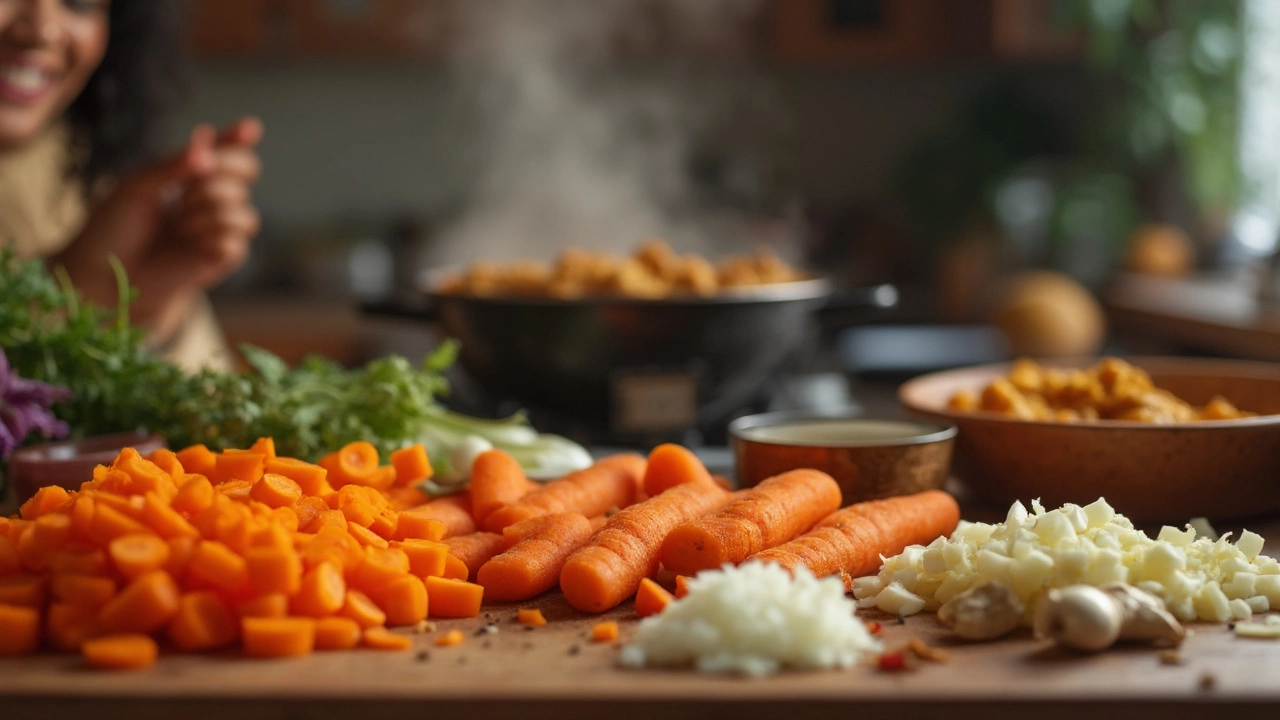
Should I Boil Carrots Before Adding to Chicken Curry?
Ever wondered if you should boil carrots before tossing them into your chicken curry? This article digs deep into the role carrots play in curry, whether parboiling really matters, and how to get perfect texture. You’ll learn how timing and cut size affect tenderness, plus get my go-to tricks for prepping busy weeknight curries. Save yourself from mushy or undercooked carrots with advice that actually works.
learn more
Secret Ingredient in Curry: What Makes Chicken Curry Taste So Good?
Ever wondered what really transforms a basic chicken curry into a dish full of depth and warmth? This article digs into the real secret behind great curry flavor, beyond just dumping in a jar of powder. Get the lowdown on spices, cooking tricks, and that one underrated ingredient many home cooks miss. You'll walk away with easy tips, wild facts, and a better understanding of how to level up your next curry night. If you love homemade chicken curry, you need to know this.
learn more