Crisp Dosa: How to Get the Perfect Crunch Every Time
When you think of a crisp dosa, a thin, golden South Indian fermented crepe made from rice and urad dal. Also known as masala dosa when filled with spiced potatoes, it’s one of India’s most loved breakfasts. But if your dosa turns out soft, sticky, or chewy, you’re not alone. The difference between a perfect crisp dosa and a disappointing one isn’t magic—it’s science, timing, and a few simple tricks most people miss.
The secret starts with the dosa batter, a fermented mix of rice and urad dal that needs the right balance to rise and crisp up. Too much rice? It’ll be brittle and break. Too much urad dal? It’ll turn gummy. The magic ratio is 1:3—one part urad dal to three parts rice. But even with the right mix, if you skip soaking the lentils long enough or ferment the batter in a cold kitchen, you won’t get the bubbles that make it puff and crisp. Fermentation isn’t just about flavor—it’s what turns dense batter into airy, crackling dough. And if you’re using a cold tawa or pouring the batter too thick, no amount of technique will save it.
Heat matters more than you think. A dosa needs a hot, evenly heated pan—no lukewarm nonsense. Test it by sprinkling water: if it sizzles and vanishes in a second, you’re ready. Pour the batter from the outer edge in a spiral, then quickly spread it thin with the back of a ladle. A little oil around the edges helps it lift and crisp. Don’t flip it like a pancake—just wait until the top looks dry and the edges curl up. That’s your cue. If it’s still soft in the middle, your batter didn’t ferment right, or your pan cooled down too fast.
People blame the recipe, but nine times out of ten, it’s the batter or the heat. You can use the same ingredients as your grandma, but if you skip the overnight ferment or rush the cooking, you’ll get a soft, sad dosa. The South Indian breakfast, a daily ritual built on fresh, fermented foods that energize and satisfy isn’t about complexity—it’s about patience and precision. And when you get it right, that first bite—crunchy outside, tender inside, with coconut chutney dripping down your fingers—is worth every minute.
Below, you’ll find real fixes from people who’ve been there: why their dosa stayed soft, how they fixed their batter, what pan they switched to, and the one step they wish they’d known sooner. No fluff. Just what works.
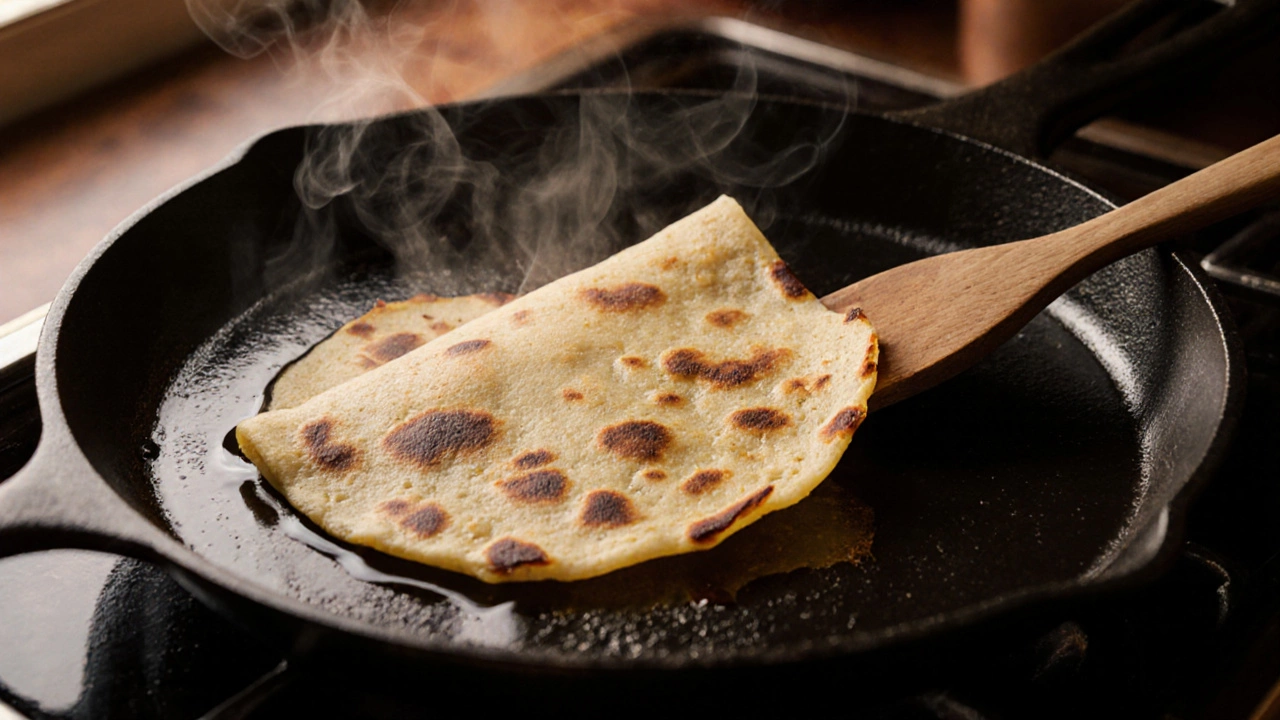
Why Your Dosa Isn’t Crispy and How to Fix It
Learn why your dosa turns soggy and get proven tips, equipment choices, and a step‑by‑step checklist to achieve perfectly crispy dosas every time.
learn more