Cooking Tips for Authentic South Indian Flavors
When it comes to cooking tips, practical, tested methods that help you get authentic results in Indian kitchens. Also known as Indian cooking hacks, these aren’t just tricks—they’re the small, consistent choices that turn ordinary meals into something memorable. Whether you’re making dosa, biryani, or curry, the difference between good and great often comes down to one or two things you’re doing—or not doing—right.
Take dosa batter, a fermented mix of rice and urad dal that’s the foundation of South Indian breakfasts. Also known as dosa batter ratio, it’s not just about mixing ingredients—it’s about timing, temperature, and texture. A 1:3 ratio of urad dal to rice isn’t arbitrary; it’s what lets the batter rise properly and crisp up on the pan. Skip fermentation or use cold batter, and you’ll end up with a soft, soggy dosa instead of the crackling, golden one you want. The same goes for biryani rice, the parboiled basmati grains that stay separate and fragrant in every layer. Boil it too long and it turns mushy; too short and it stays hard in the middle. The sweet spot? Seven to eight minutes. That’s it. And then there’s curry spices, the layered blend of turmeric, cumin, coriander, and curry leaves that builds depth without a single packet. Most store-bought curry powders are flat. Real flavor comes from toasting whole spices, adding them at the right moment, and letting them bloom in oil. Even something as simple as adding lemon to biryani isn’t about sourness—it’s about balance. It cuts through the ghee, lifts the spices, and keeps the rice from sticking.
You’ll find all these details—and more—in the collection below. No fluff. No theory. Just the exact steps, fixes, and why-they-work explanations from real kitchens. Whether you’re struggling with crispy dosas, over-spiced curry, or paneer that won’t hold shape, you’ll find the fix here. These aren’t guesses. They’re the results of trial, error, and decades of South Indian home cooking.
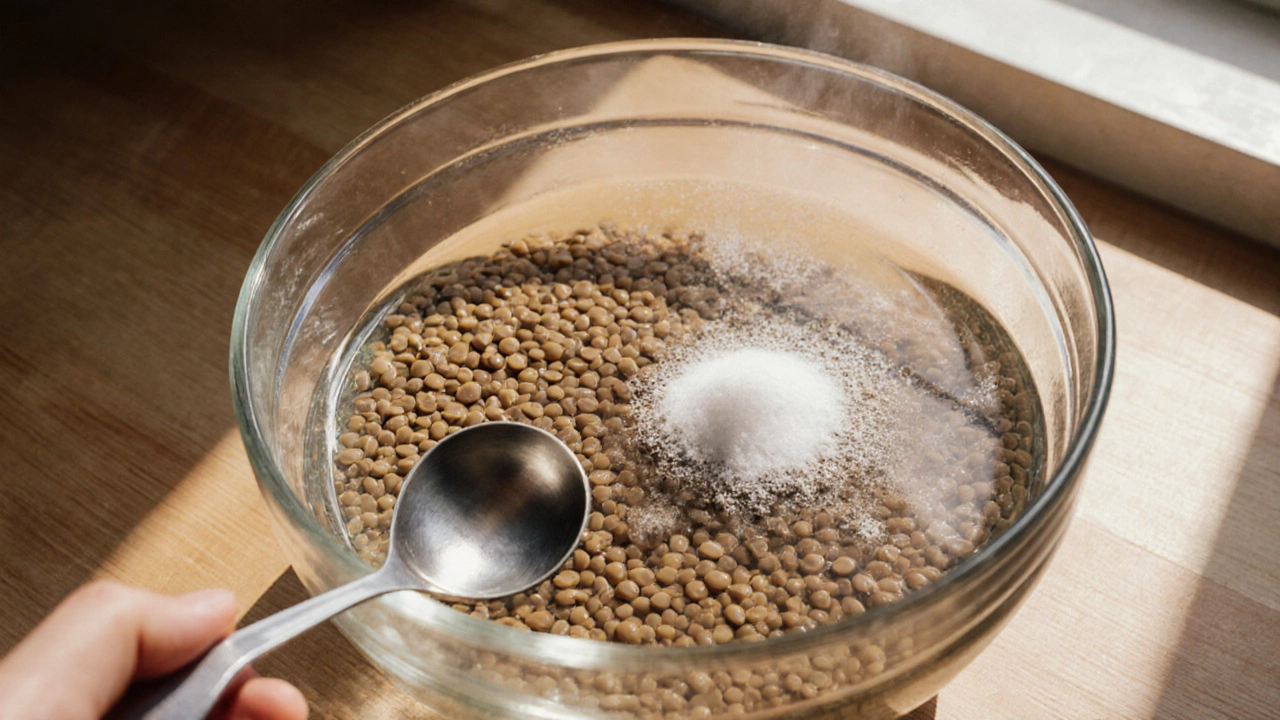
Remove Gas from Lentils - Simple Dal Tips for Flatulence‑Free Cooking
Learn proven steps to cut gas from lentils and enjoy flatulence‑free dal. Soaking, pressure cooking, and spice tips make meals easy on the stomach.
learn more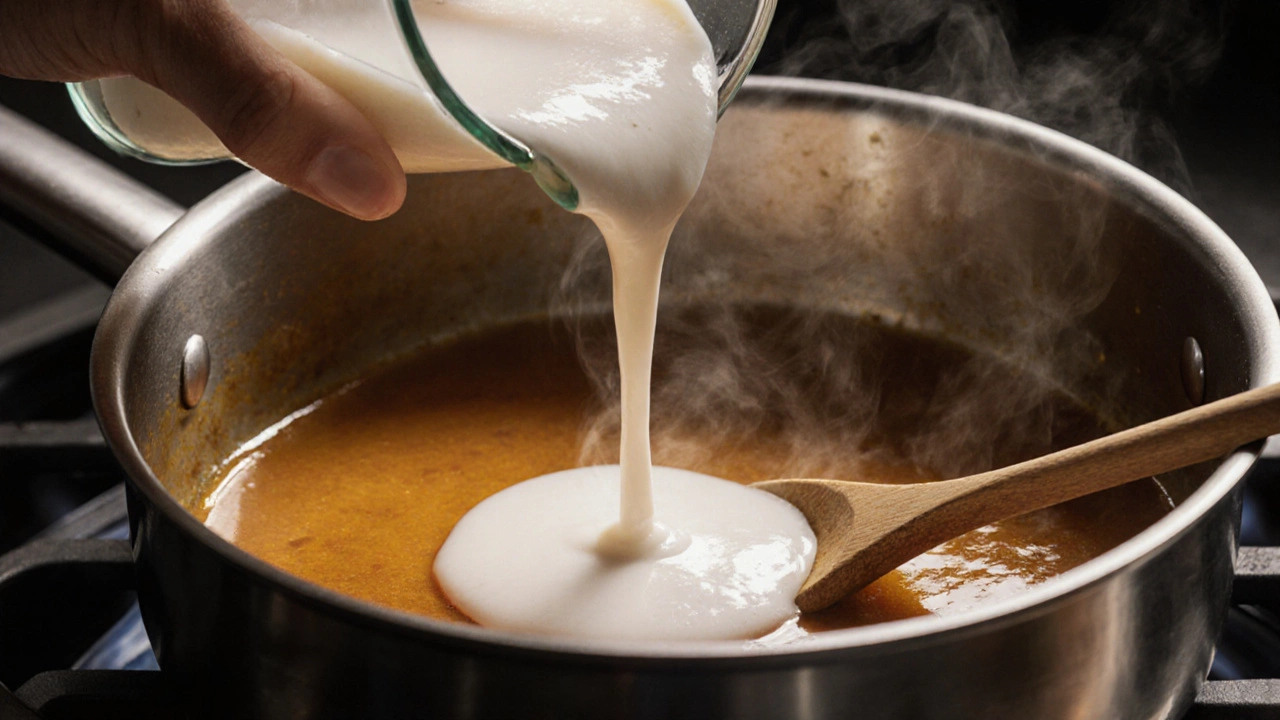
How to Add Coconut Milk to Curry Without Curdling - Simple Tips
Learn proven steps to add coconut milk to chicken curry without curdling, covering heat control, timing, thickeners, and quick fixes for a smooth sauce.
learn more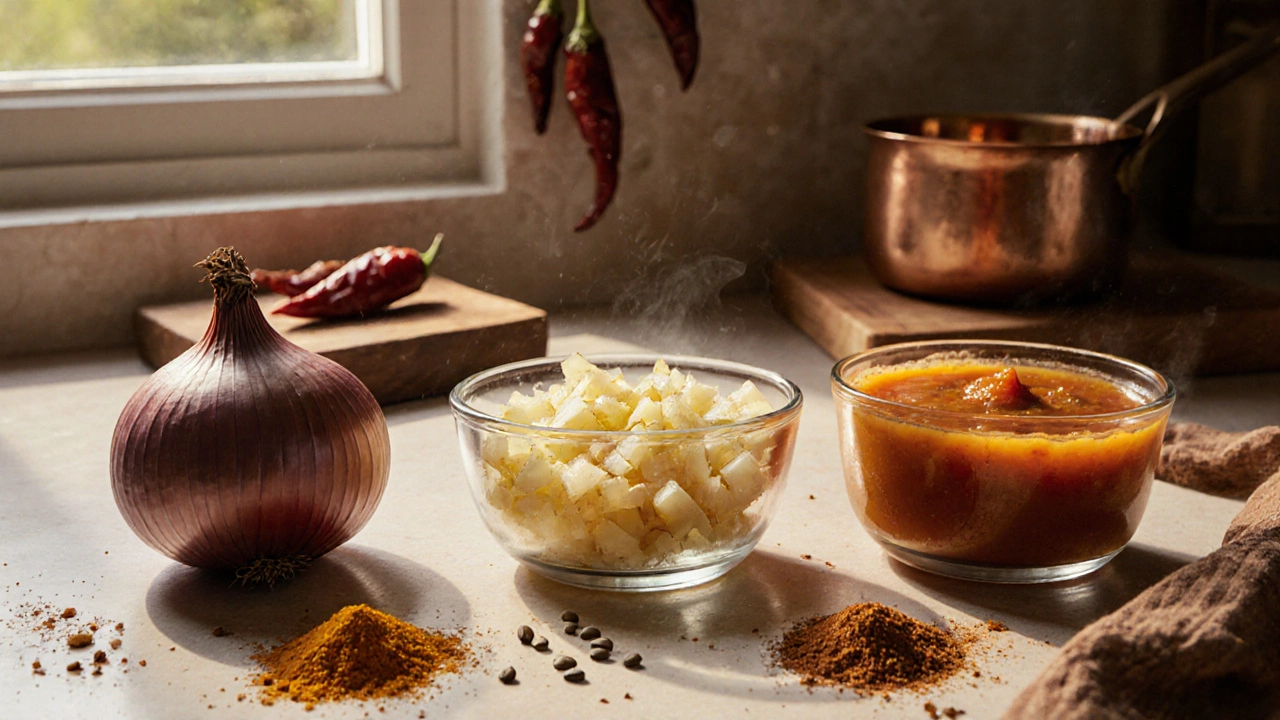
Blend Onions for Chicken Curry? When to Puree and Why
Find out when to blend onions for chicken curry, how it changes texture and flavor, and get step‑by‑step tips for perfect puree.
learn more
How to Cancel Bitter Taste in Food: Proven Tips & Science-Backed Solutions
Explore science-backed methods to cancel bitter taste in food and cooking, with easy kitchen hacks, expert tips, and real-life examples for tastier meals.
learn more
Best Substitute for Indian Yogurt in Tandoori Chicken
Wondering how to make tandoori chicken without Indian yogurt? This article breaks down the best substitutes that keep your marinade creamy and flavorful. Learn why Indian yogurt matters, what to look for in a replacement, and which easy-to-find options work in a pinch. Get pro tips for smoother blends and more tender chicken. You’ll never stress about missing yogurt again!
learn more
Chicken Curry Recipe: What’s the Secret to a Good Curry?
What really makes chicken curry unforgettable? This article pulls back the curtain on the little tricks and key steps behind a truly tasty curry. From layering spices to mastering timing, you’ll find down-to-earth advice and facts you can put to use right away. Win over friends at the dinner table with flavor-packed, home-cooked chicken curry. Get ready to banish bland curry forever.
learn more
Parasites in Chicken Legs: What Every Home Cook Needs to Know
Wondering if chicken legs have parasites? This article breaks down the common parasites found in chicken legs, how they get there, and what actually happens when you cook them. Learn safe handling practices, smart shopping tips, and what to look for so your next batch of tandoori chicken is not just delicious—but safe too.
learn more
Can You Add Paneer Straight to Curry? Homemade Paneer Tips You Need
Ever wondered if you can add paneer directly to your curry? This article covers everything you need to know about using homemade paneer in curries—from when to toss it in to how to keep it from falling apart. You'll learn useful tricks that make paneer taste even better and avoid the typical rookie mistakes that ruin its texture. Save time in the kitchen and get the most flavor out of your homemade paneer.
learn more
What Happens If You Don't Soak Lentils Before Cooking?
Ever thrown dry lentils straight into a pot just because you were short on time? This article breaks down exactly what happens if you skip soaking lentils, from changes in texture to how they might affect your stomach. Find out the real role of soaking, when you can skip it, and which types of lentils need some extra prep. Get handy tricks for the quickest and easiest dal, even on your most chaotic Wednesdays. No fluff—just what you actually need to know.
learn more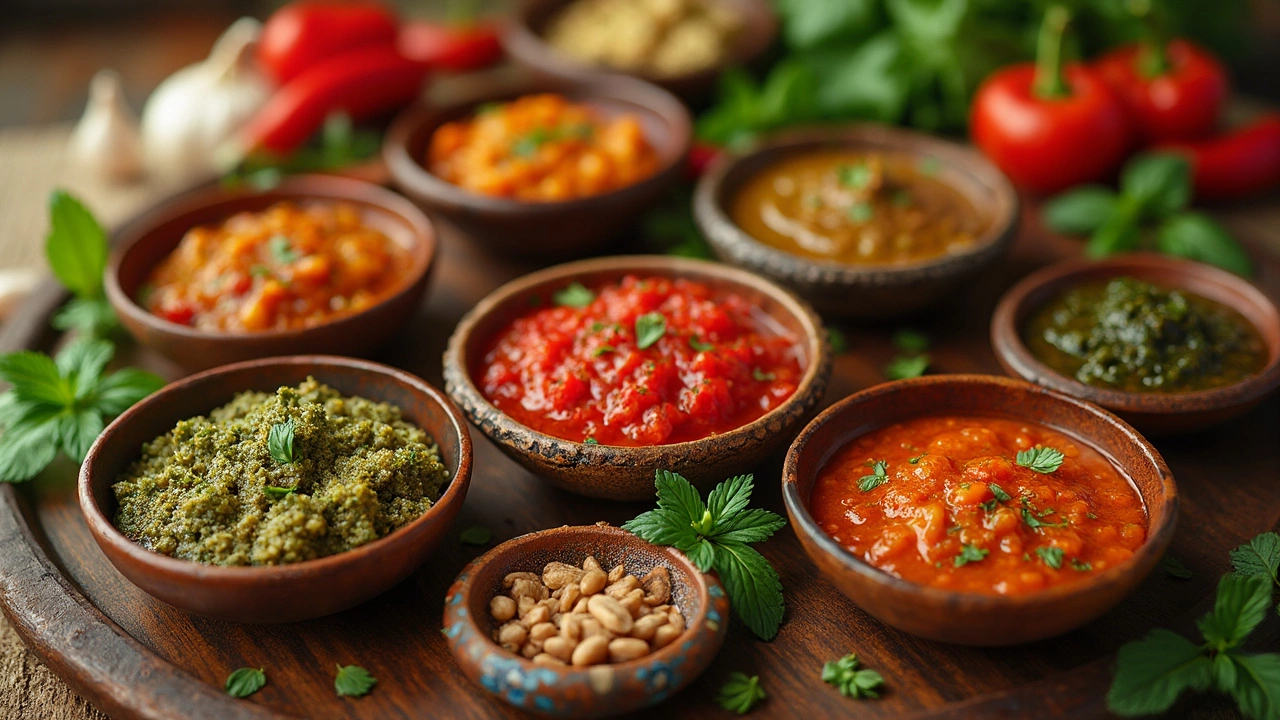
What's the Closest Thing to Chutney?
Exploring alternatives to chutney can open up a world of flavors in your kitchen. From spicy relishes to tangy pestos, there are plenty of options to spruce up your meals when chutney is out of reach. Discover these tasty substitutes that match chutney's unique balance of sweet, sour, and savory. Whether you're cooking up a curry or need a dipping sauce, these ideas offer a creative twist to your dishes.
learn more
Get Juicy Chicken Every Time in Your Curry
Master the art of making exceptionally tender chicken in your curry with these proven techniques. From choosing the right cut of meat to using quick marinades, these tips help you achieve that melt-in-your-mouth texture every time. Whether you're new to cooking or a seasoned pro, these insights make every curry experience delightful. Get ready to elevate your chicken curry game with easy and practical advice.
learn more
Banishing Bitterness in Dosa Batter: Simple Tips to Perfect Your Recipe
Struggling to make a perfect dosa because of bitter batter? Understanding why dosa batter becomes bitter is key to preventing this issue in your future cooking endeavors. By exploring tips like balancing fermentation times, choosing the right ingredients, and maintaining optimal storage, you can enjoy delicious, bitterness-free dosas.
learn more