Cooking Perfect Roti: Tips, Tricks, and Common Mistakes
When you're trying to make roti, a soft, round Indian flatbread made from whole wheat flour, water, and salt. Also known as chapati, it's one of the most eaten foods in India—simple, daily, and essential to meals across the country. But if your roti comes out hard, burnt, or puffing unevenly, you're not alone. The difference between a good roti and a great one isn’t about fancy tools or secret ingredients. It’s about heat, pressure, and timing.
Many people think roti is just dough rolled thin and cooked. But the real trick lies in how you handle the dough, a simple mix of atta flour and water, kneaded until smooth and elastic. If it’s too dry, the roti cracks. Too wet, and it sticks to everything. The ideal dough should feel like your earlobe—soft but not sticky. And don’t skip resting it. Letting it sit for 20 minutes lets the gluten relax, making rolling easier and the final roti softer.
Then there’s the tawa, the flat griddle used to cook roti, traditionally made of cast iron or steel. A cold or unevenly heated tawa is the #1 reason rotis don’t puff. You need medium-high heat—hot enough to make the dough sizzle slightly when it touches, but not so hot it burns before it rises. A drop of water should dance and evaporate instantly. And don’t press the roti down with a spatula. Let the steam do the work. That puff? That’s the sign of perfect roti.
Some think oil or ghee makes roti better. It doesn’t. A plain roti should be soft and slightly chewy, not greasy. You can brush it with butter after cooking, but that’s for flavor, not texture. The real secret? Even rolling. If one edge is thicker than the other, it won’t cook evenly. Roll from the center out, turning the dough a quarter turn after each roll. And flip it only once—let it puff on its own, then char lightly on the other side for that smoky taste.
Roti isn’t just bread. It’s the foundation of countless meals—from dal and sabzi to curries and chutneys. It’s what you use to scoop, wrap, and soak up flavor. And when it’s done right, it’s warm, fragrant, and comforting. The posts below cover everything you need: why your roti doesn’t puff, how to fix sticky dough, the best flour to use, and how to store it without drying out. No fluff. No theory. Just real fixes from people who make roti every day.
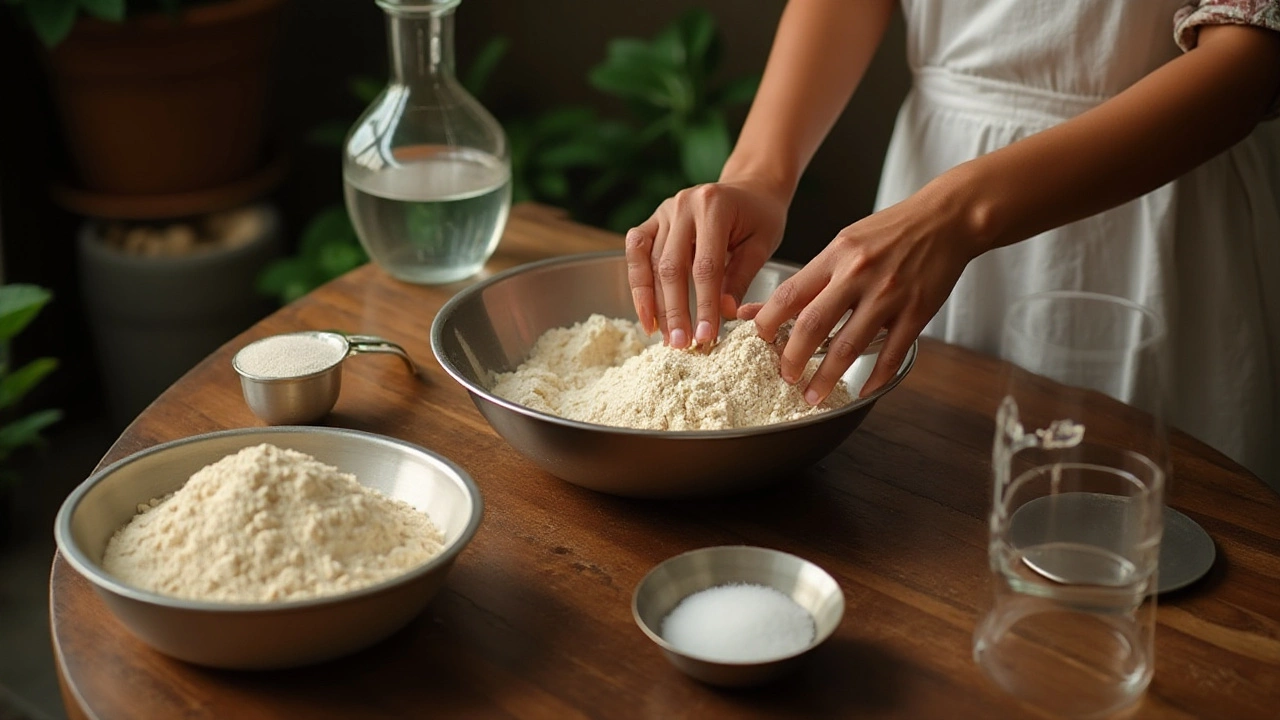
Master the Art of Making Soft Rotis: Expert Tips and Secrets
Crafting the perfect soft roti is an art that many home cooks strive to master. This article delves into the secrets of making fluffy and tender rotis with ease. You'll explore the importance of selecting the right flour, how hydration plays a crucial role, and the adding techniques that yield consistently soft results. Learn insightful tips and tricks shared by expert chefs and seasoned home cooks alike, ensuring that every roti you roll out is a testament to your culinary prowess.
learn more