Cooking Hacks: Simple Tricks for Authentic South Indian Flavors
When it comes to cooking hacks, practical, no-nonsense techniques that make traditional Indian cooking easier and more reliable. Also known as kitchen shortcuts, these aren’t magic—they’re just smart moves passed down through generations of home cooks. Think of them as the quiet secrets behind perfect dosas, fluffy biryani rice, and curry that actually tastes like it came from a Mysore kitchen.
You don’t need fancy tools or expensive ingredients. What you need is timing, temperature, and a few key fixes. For example, dosa batter, a fermented mix of rice and urad dal that turns into crispy pancakes. Also known as dosa paste, it’s the foundation of a South Indian breakfast. Get the ratio wrong—say, 1:1 instead of 1:3 urad dal to rice—and your dosa stays soft. Skip fermentation, and you’ll never get that crisp edge. These aren’t opinions. They’re facts backed by what works in thousands of kitchens across Karnataka.
biryani rice, the parboiled basmati grain that stays separate and fragrant in layered rice dishes. Also known as biryani rice prep, it’s not just about boiling time—it’s about when you stop cooking it. Boil it too long? Mushy. Too short? Hard as pebbles. The sweet spot? Seven to eight minutes. That’s it. Same with curry spices, the layered blend of turmeric, cumin, coriander, and curry leaves that build depth without overpowering. Also known as curry base, it’s not about dumping curry powder into a pot. It’s about frying whole spices first, then adding onions, then tomatoes, then the powder. Each step builds flavor. Skip one, and your curry tastes flat.
And then there’s chutney pairings, how a simple coconut or tamarind chutney turns a snack into a meal. Also known as Indian condiments, they’re not just side dishes—they’re flavor adjusters. Eat a dosa without chutney? You’re missing half the experience. Same with British chutney on toast or paneer butter masala with a side of mint. It’s not tradition for no reason. It’s science. Acid cuts richness. Sweet balances heat. Crunch contrasts softness.
These cooking hacks aren’t about speed. They’re about respect—for the ingredients, the technique, and the people who perfected them over decades. You’ll find all of this in the posts below: fixes for soft dosas, why lemon belongs in biryani, how to stop coconut milk from curdling, and what really makes curry taste like curry. No fluff. No theory. Just what works, tested in real kitchens, written for real cooks.
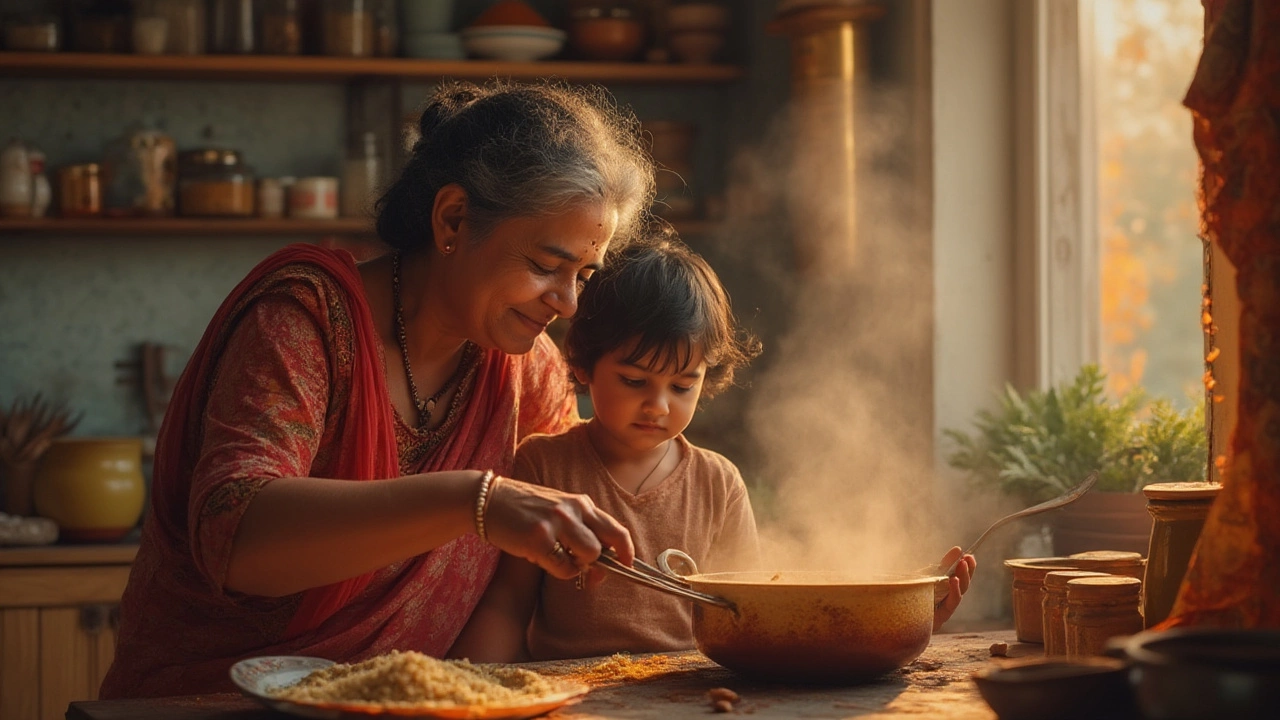
How to Thicken Curry: Easy Tricks for Creamier, Richer Indian Dishes
Struggling with runny curries? Learn easy tricks to thicken curry, from pantry solutions to authentic Indian techniques. Enjoy creamier, tastier results every time.
learn more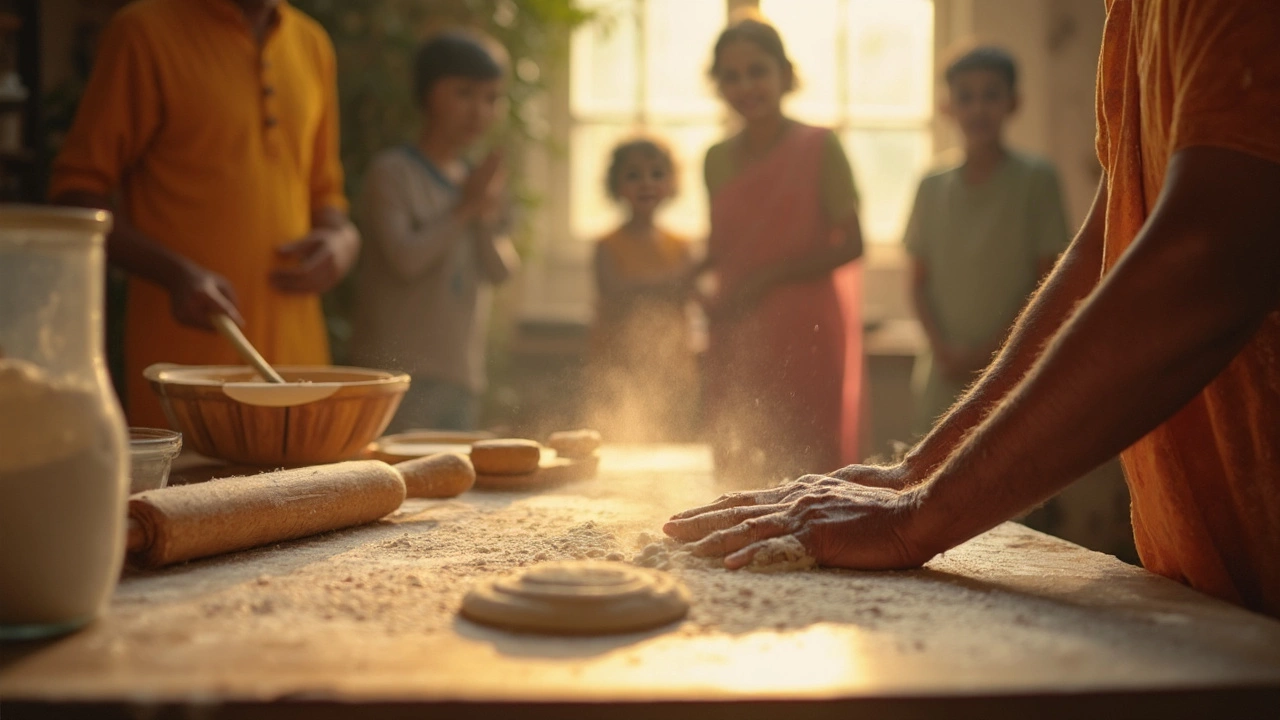
Secret to Fluffy Roti: Simple Tweaks for Soft Perfection
Everyone wants their roti to puff up perfectly and stay soft once it’s cooked, but not everyone knows how to get there. This article spills the real secrets behind fluffy roti, from the kind of flour to water ratios and kneading tricks. You’ll learn how little changes in your process make a huge difference. Say goodbye to hard, chewy rotis and impress at the dinner table. Even first-timers can follow these easy steps and nail it each time.
learn more