Chena: The Key Ingredient in Indian Desserts and Savory Dishes
When you bite into a warm chena, a soft, crumbly fresh cheese made by curdling milk with acid. Also known as cottage cheese or paneer in some regions, it’s the quiet hero behind dozens of Indian sweets and snacks you eat every day. Unlike aged cheeses, chena doesn’t melt or age—it’s made fresh daily, often in the morning, and used within hours. It’s not just a dairy product; it’s a foundation. In Mysore and across South India, chena turns into jalebi, rasagulla, peda, and even savory dishes like chena poda. You won’t find it in grocery aisles outside India—it’s too perishable. So if you want to make these treats at home, you need to know how to make chena yourself.
Chena is made by heating milk and adding lemon juice, vinegar, or yogurt to curdle it. The solids are drained, pressed lightly, and shaped. That’s it. No cultures, no rennet, no aging. This simplicity is why it’s so widespread. It’s also why it’s so sensitive to technique. Too much heat? The chena turns rubbery. Too little pressure? It falls apart in sweets. The texture changes everything. A soft, moist chena gives you melt-in-the-mouth rasagulla. A firmer, drier version holds shape in paneer tikka. And in dishes like chena gur or chena kheer, it soaks up syrup like a sponge, turning simple ingredients into something magical.
Chena connects to other key ingredients you see in these posts—like paneer, a firmer, pressed version of chena often used in curries, and Indian sweets, a category defined by sugar, milk solids, and this fresh cheese. You’ll find chena in recipes that use coconut milk, cardamom, and rose water—flavors that balance its mild taste. It’s the base for everything from breakfast snacks to festival desserts. And while paneer gets all the attention in North Indian curries, chena is the soul of South Indian sweets. If you’ve ever wondered why your homemade rasagulla turned hard, or why your chena didn’t hold shape, it’s usually about moisture, temperature, or how long you pressed it. The posts below give you step-by-step fixes, traditional methods, and the exact ratios used in Mysore kitchens. No guesswork. Just results.
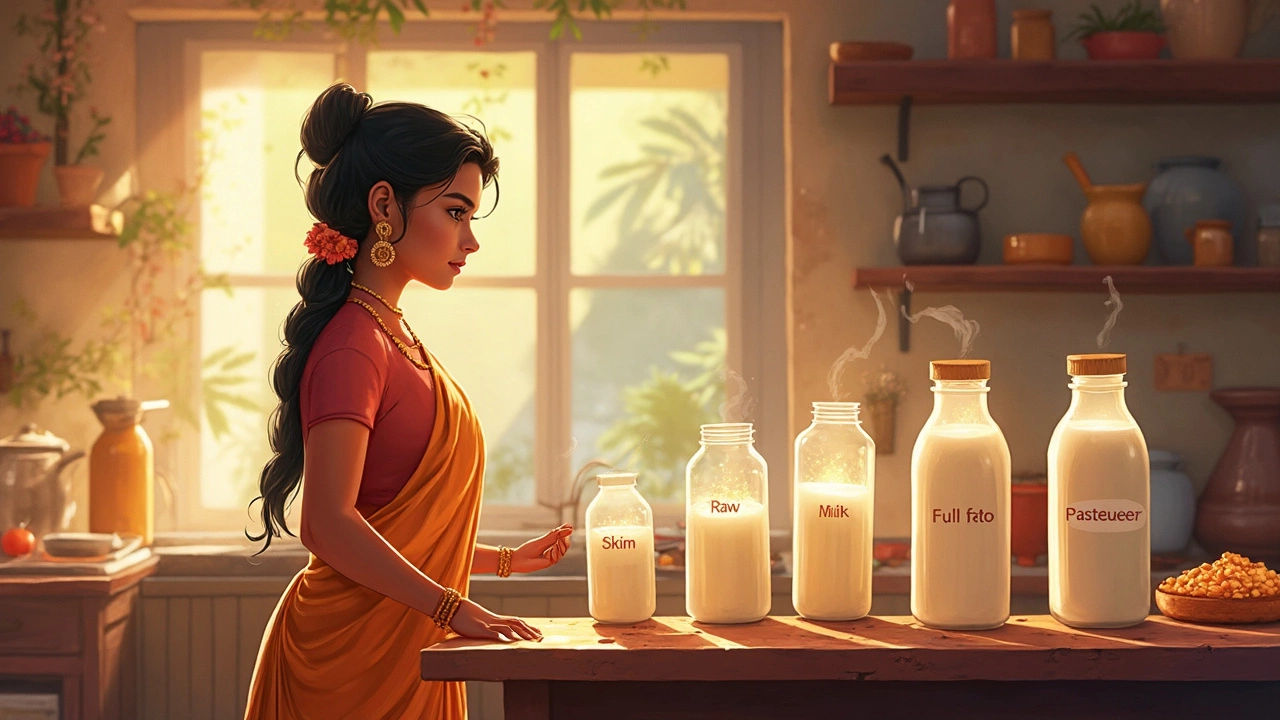
Best Milk for Chena: Choosing the Right Type for Homemade Paneer
Making chena, or homemade paneer, begins with choosing the right milk. The choice largely impacts the taste, texture, and yield of your paneer. Understanding which type of milk—full-fat, skim, raw, or pasteurized—works best for paneer can elevate your cooking. Discover interesting facts and practical tips on selecting the ideal milk for making the softest, creamiest chena.
learn more