Cheese-Making: How Indian and Global Styles Shape Flavor and Texture
When you think of cheese-making, the process of turning milk into solid, flavorful curds through acidification, coagulation, and aging. Also known as dairy curdling, it’s not just a Western tradition—it’s deeply rooted in Indian homes, especially in the making of paneer, a fresh, non-melting cheese made by curdling milk with lemon juice or vinegar. Unlike aged European cheeses, Indian cheese-making is fast, simple, and happens daily in kitchens from Mysore to Mumbai. You don’t need special equipment, aging rooms, or cultures. Just milk, heat, and an acid. That’s it.
What makes paneer, a staple in North and South Indian cooking, used in dishes like paneer butter masala and palak paneer different from halloumi, a brined cheese from Cyprus that holds its shape when grilled or fried? It’s the method. Paneer is pressed lightly and eaten fresh within hours. Halloumi is boiled in whey, salted, and stored for weeks. Both are cheeses, but they serve different roles—one melts into gravy, the other sizzles on the grill. And while most people assume cheese-making requires starter cultures or rennet, Indian households have used lemon juice or yogurt for centuries. No fancy labs needed.
It’s not just about the cheese itself—it’s about what you do with it. You’ll find cheese-making tied to breakfasts like dosa and chutney pairings, snacks like samosas stuffed with spiced paneer, and even desserts where fresh cheese is soaked in syrup. The posts here cover how paneer compares to halloumi, why some cheeses curdle in curry, and how to fix a grainy paneer batch. You’ll learn what happens when you skip pressing the curds, how heat affects texture, and why coconut milk can ruin your cheese sauce if you’re not careful. These aren’t theory lessons—they’re real fixes from people who make cheese at home, every day.
There’s no magic here. Just milk, time, and a little patience. Whether you’re trying to replicate that crispy paneer tikka from your favorite restaurant or wondering why your homemade cheese turned out too soft, the answers are in the details. And below, you’ll find exactly that—step-by-step guides, common mistakes, and the little tricks that make all the difference.
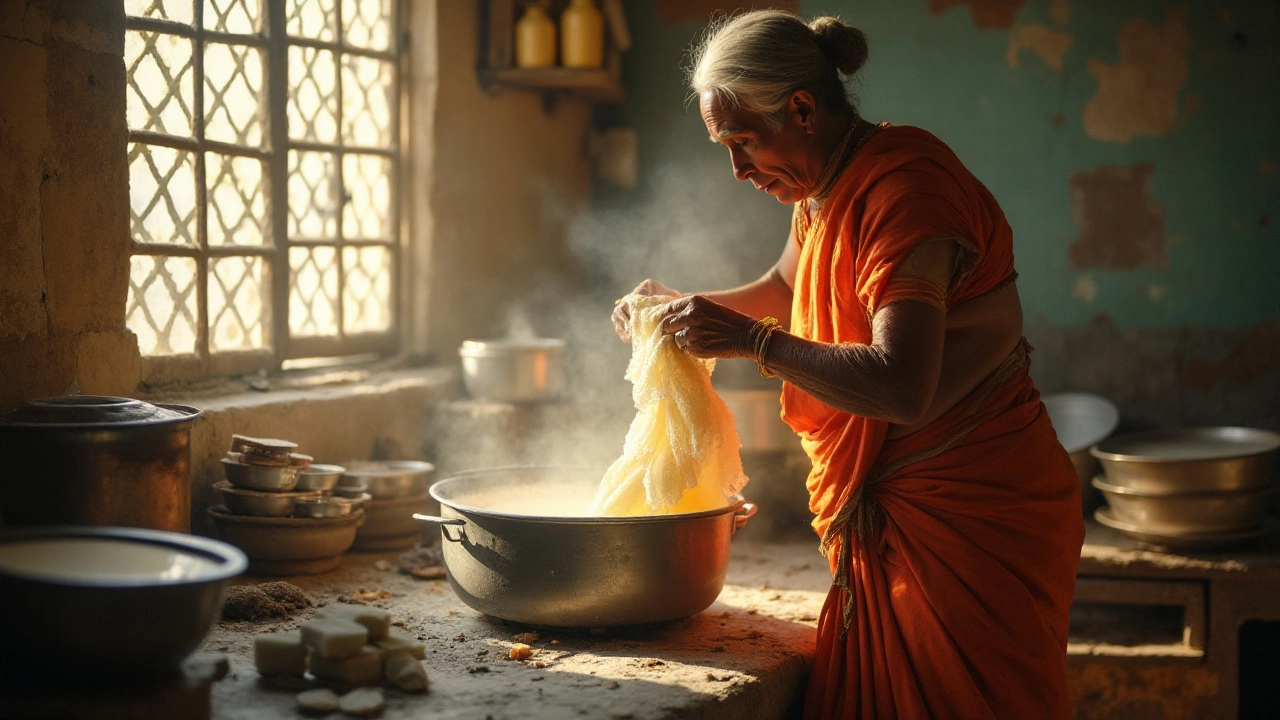
How Much Paneer Can You Get from One Gallon of Milk: A Detailed Guide
Paneer, the soft and delightful Indian cheese, is a popular staple in various cuisines. Discover the fascinating process of turning a gallon of milk into paneer, understanding yield variations and key factors that influence it. Learn helpful tips and practical insights for making perfect paneer at home. Embrace your culinary curiosity as we explore the intersection of science and tradition in cheese-making.
learn more
Crafting Lemon Essence for Homemade Paneer
Creating homemade paneer often involves mimicking lemon flavor to achieve the desired tangy taste without using actual lemons. This article explores various methods to replicate that bright citrusy note effectively. It delves into using alternative ingredients, tips for balancing flavors, and how to enhance the creamy texture of homemade paneer. Learn about easy kitchen hacks that bring the zest and zing to your paneer. Discover the science behind flavor manipulation and make every bite of your homemade cheese burst with taste.
learn more