British Chutney: What It Is, How It Differs from Indian Chutney, and What to Pair It With
When you hear British chutney, a sweet-and-tangy preserve made from fruits, vinegar, and spices, often associated with British colonial history in India. Also known as English chutney, it's not just Indian chutney with a British accent—it’s a different thing entirely. While Indian chutneys are fresh, vibrant, and often made daily with herbs, tomatoes, or coconut, British chutney is slow-cooked, shelf-stable, and meant to last months. It’s the kind you find in jars next to pickles and mustard in a British pantry, not the bright green mint chutney served with samosas.
The real difference shows up in the ingredients. British chutney leans on apples, pears, plums, or even tomatoes, simmered with brown sugar, vinegar, and spices like cloves and cinnamon. It’s thick, dark, and rich—think of it as a savory jam. Indian chutneys? They’re bright, sharp, and often raw or lightly cooked. Think cilantro, tamarind, or roasted lentils. One is a condiment for cheese and cold meats; the other is a living flavor boost for dosas and idlis. You wouldn’t swap them. Indian chutney, a fresh, spicy, or tangy condiment made from herbs, fruits, or legumes, central to South Indian meals. It’s meant to be eaten the same day. Chutney pairings, the traditional dishes served alongside chutney to enhance flavor and texture. in Britain? Think sharp cheddar, roast beef, or a simple cracker. In India, it’s dosa, samosa, or even plain rice.
Why does this matter? Because if you’re trying to recreate an Indian meal and reach for a jar of British chutney thinking it’s the same, you’ll miss the point. The tang in Indian chutney cuts through richness. The sweetness in British chutney balances salt and fat. They serve different jobs. That’s why you’ll find posts here about how to make authentic Indian chutney for dosa, what foods pair with it, and even how it’s different from salsa. But you won’t find a single recipe here that calls for British chutney in biryani or curry—that’s not how it works. This collection focuses on the real, living flavors of South India. If you want to know how to make a mango chutney that tastes like it came from a Mysore kitchen, or why lemon is added to biryani to lift the spices, or what makes a dosa crispy with the right chutney on the side—you’re in the right place. The posts below are your guide to the chutneys that actually belong on Indian tables, not the ones in British tea rooms.
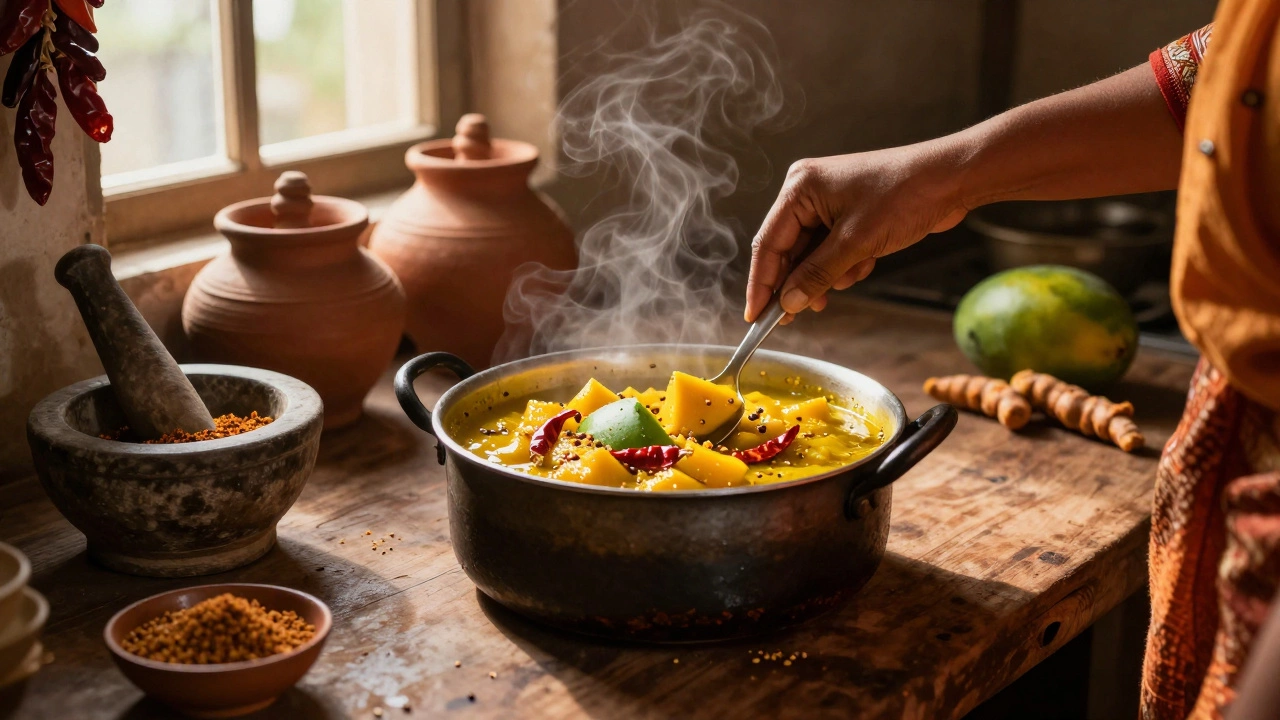
What Is the Difference Between Mango Chutney and Major Grey's Chutney?
Mango chutney and Major Grey's chutney both use mangoes, but one is a spicy, chunky Indian condiment while the other is a smooth, sweet British preserve. Learn how they differ in ingredients, texture, and use.
learn more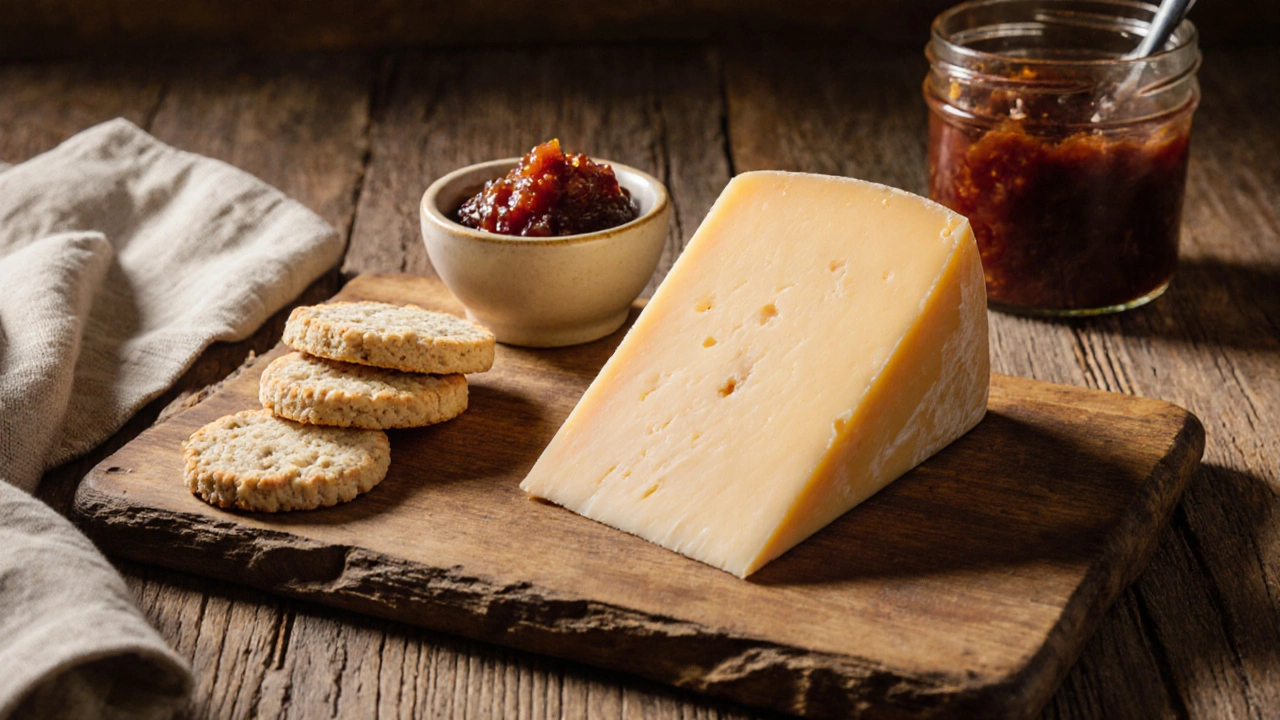
How to Eat British Chutney: Simple Ways to Enjoy It with Everyday Foods
Learn how to eat British chutney with cheese, sandwiches, meats, and breakfast foods. Simple, tasty ways to use this sweet-tangy condiment every day.
learn more
Discover the Charm of British Chutney: A Tangy Tradition
Explore the flavorful world of British chutney, a centuries-old tradition that mingles sweet, tangy, and spicy flavors into a delightful condiment. From its historical journey starting with apple chutney to modern interpretations like mango or tomato blends, British chutney offers incredible versatility for any culinary occasion. Learn how to create, customize, and savor different varieties of this beloved condiment that adds a distinct and unforgettable taste to your meals. With handy tips and intriguing stories, dive into the art of chutney-making and enrich your cooking repertoire.
learn more