Biryani Rice Prep: How to Get Perfect Basmati Rice for Every Batch
When you're making biryani rice prep, the process of preparing basmati rice for layered rice dishes like biryani, where soaking, rinsing, and par-cooking determine the final texture. Also known as rice preparation for Indian rice dishes, it's not just about boiling rice—it's about setting the foundation for every layer of flavor in your biryani. Skip this step, and even the best spices and meat won’t save you from clumpy, soggy rice.
The secret isn’t in the spices—it’s in the rice. basmati rice, a long-grain aromatic rice native to the Indian subcontinent, prized for its fragrance, length, and ability to stay separate when cooked. Also known as Indian long-grain rice, it’s the only rice that truly works for biryani. You can’t substitute jasmine or regular white rice and expect the same result. Basmati needs to be rinsed until the water runs clear—this removes excess starch that turns rice gluey. Then it soaks. Not for 10 minutes. Not for 30. At least 30 minutes, but 45 to 60 is better. Why? Soaking lets the grains absorb water evenly so they cook at the same rate. Under-soaked rice stays hard in the center. Over-soaked turns to mush. There’s a sweet spot.
And here’s what no one tells you: you don’t cook biryani rice all the way. You par-cook it—about 70% done—then layer it with meat and spices and let it steam through dum cooking. If you boil it until tender, it’ll collapse under the weight of the other ingredients. The right biryani rice ratio, the balance of water to rice during par-cooking, typically 1.5 to 1.75 cups water per cup of rice. Also known as rice-to-water ratio for biryani, this keeps the grains firm enough to hold their shape. Too much water? Sticky disaster. Too little? Undercooked cores. And don’t forget the salt. A pinch in the water isn’t optional—it seasons the rice from the inside out.
You’ll find posts here that explain why lemon juice helps keep rice fluffy, how ghee affects texture, and why some cooks add whole spices to the boiling water. Others break down how long to soak rice in summer vs. winter, or why pressure cooking the rice before layering can cut hours off your cooking time. There’s no magic trick—just consistent technique. The best biryanis don’t come from fancy equipment or expensive ingredients. They come from someone who knows exactly how to treat the rice.
What follows isn’t a list of random tips. It’s a collection of real, tested methods from people who’ve burned batches, fixed ruined rice, and finally cracked the code. Whether you’re struggling with sticky grains, uneven cooking, or bland rice, you’ll find the fix here. No fluff. No theory. Just what works—on your stove, in your kitchen, tonight.
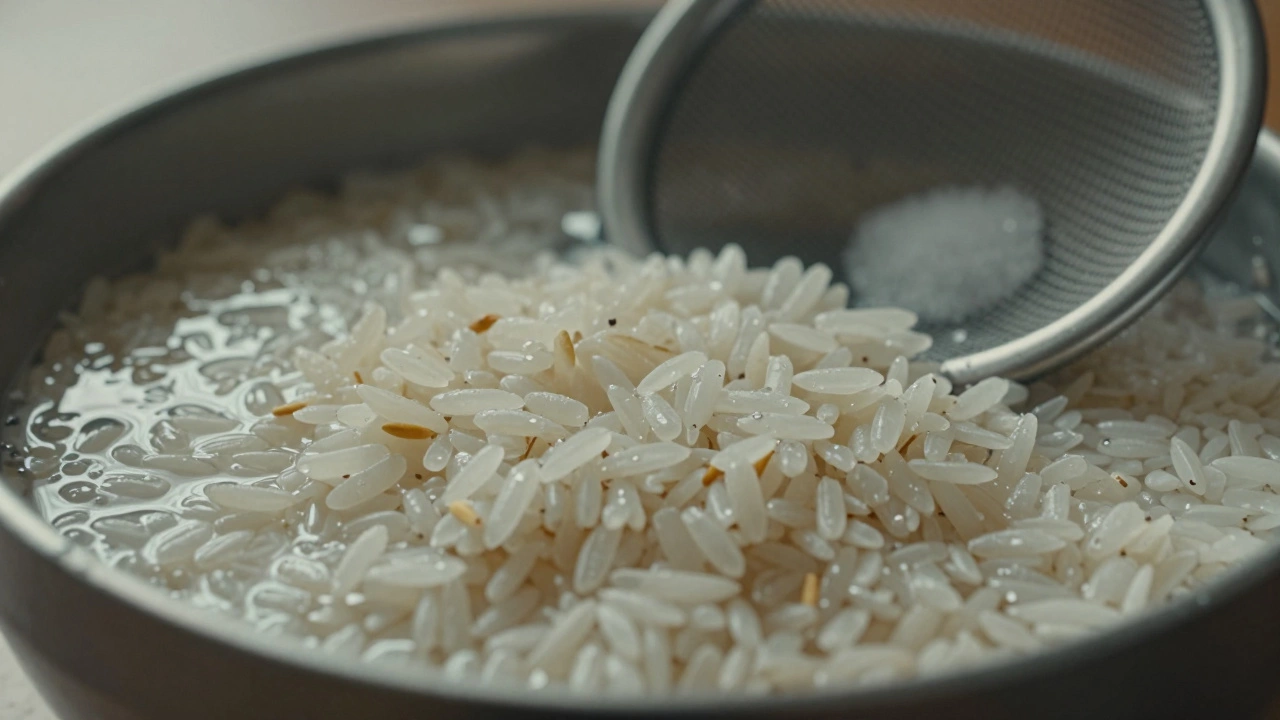
Why Do You Soak Rice for Biryani? The Science Behind the Step
Soaking rice for biryani isn't optional-it's essential for fluffy, separate grains that absorb flavor. Learn why this step matters, how long to soak, and what happens if you skip it.
learn more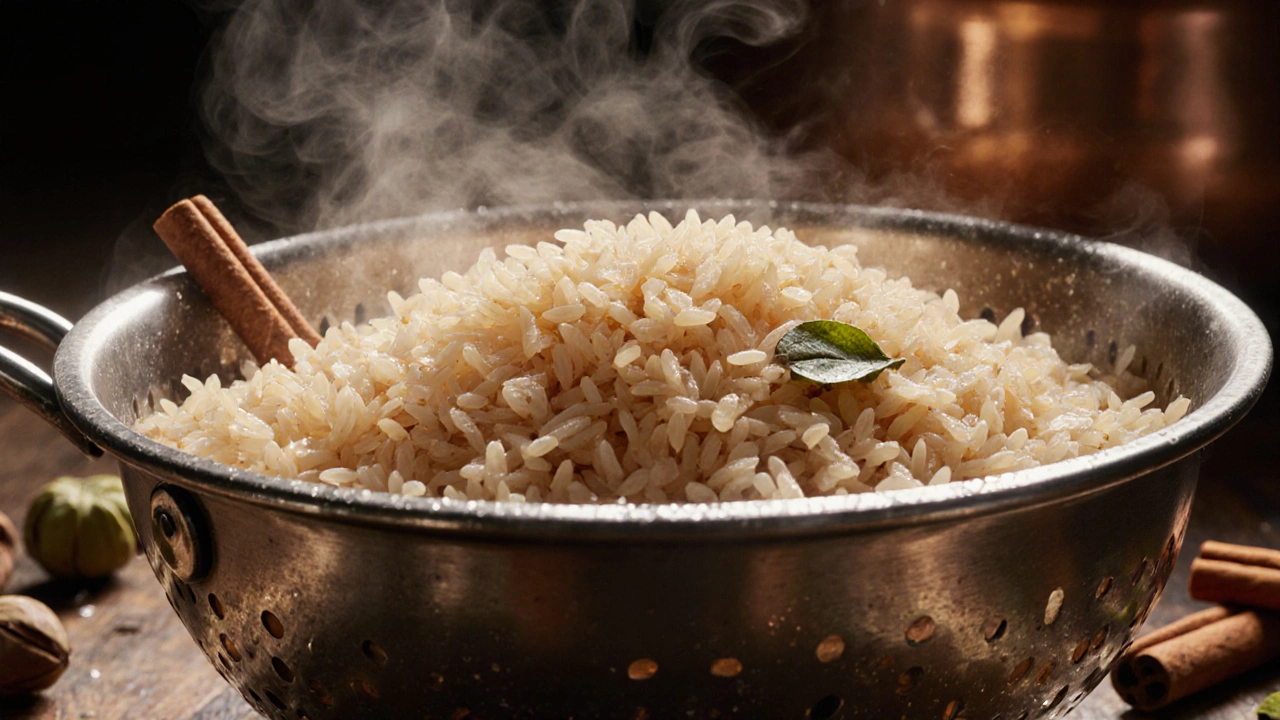
How Long to Boil Rice for Biryani? Perfect Timing for Fluffy, Fragrant Grains
Learn the perfect 7-8 minute parboiling time for basmati rice in biryani. Avoid mushy or hard grains with this step-by-step guide to fluffy, fragrant rice every time.
learn more