Basmati Rice Soaking: Why It Matters and How to Do It Right
When you soak basmati rice, a long-grain aromatic rice native to the Indian subcontinent, often used in biryani, pulao, and dosa batter. Also known as Indian basmati, it's the backbone of many South Indian meals. Skipping this step might seem harmless, but it’s the reason your rice turns mushy, sticks together, or stays hard in the middle. Soaking isn’t decoration—it’s physics. Water enters the grain, softening its structure so it cooks evenly without bursting. Without it, even perfect timing won’t save your biryani.
Most recipes say soak for 30 minutes. But why? Basmati rice has a dense outer layer. Cold water slowly penetrates, letting the grain expand lengthwise instead of sideways. That’s what gives you those long, elegant strands. If you skip soaking, the outside cooks too fast while the inside stays chalky. And if you soak too long? The grain gets waterlogged and turns gummy. Thirty to forty minutes is the sweet spot. Use room temperature water—not ice cold, not hot. Drain it well before cooking. This simple step is why restaurant biryanis stay separate and fragrant.
Soaking also ties into other key practices. If you’re making dosa batter, soaked basmati rice blends better with urad dal, helping fermentation work smoothly. In biryani, soaking pairs with parboiling—usually 7 to 8 minutes—to get just the right texture before layering with spices and meat. It’s not a standalone trick; it’s part of a chain. Skip soaking, and even the best ghee or saffron won’t fix your rice. You’ll also notice this in everyday meals: a bowl of plain rice with dal tastes better when each grain stands alone. That’s soaking doing its job.
Some people think pressure cooking eliminates the need. It doesn’t. Pressure cooks fast, but it doesn’t prep the grain. If you dump dry basmati into a pressure cooker, you’ll get uneven results—some grains explode, others stay crunchy. Soaking levels the playing field. Same goes for rice cookers. They’re convenient, but they don’t replace prep. The best rice cookers still need properly soaked rice to deliver perfect results.
You’ll find this in nearly every authentic recipe on this site—from biryani guides to dosa troubleshooting. It’s not just tradition. It’s science. And it’s the difference between a good meal and a great one. Below, you’ll see how soaking connects to everything from fermentation timing to spice balance. No fluff. No guesswork. Just clear, tested steps that actually work in real kitchens.
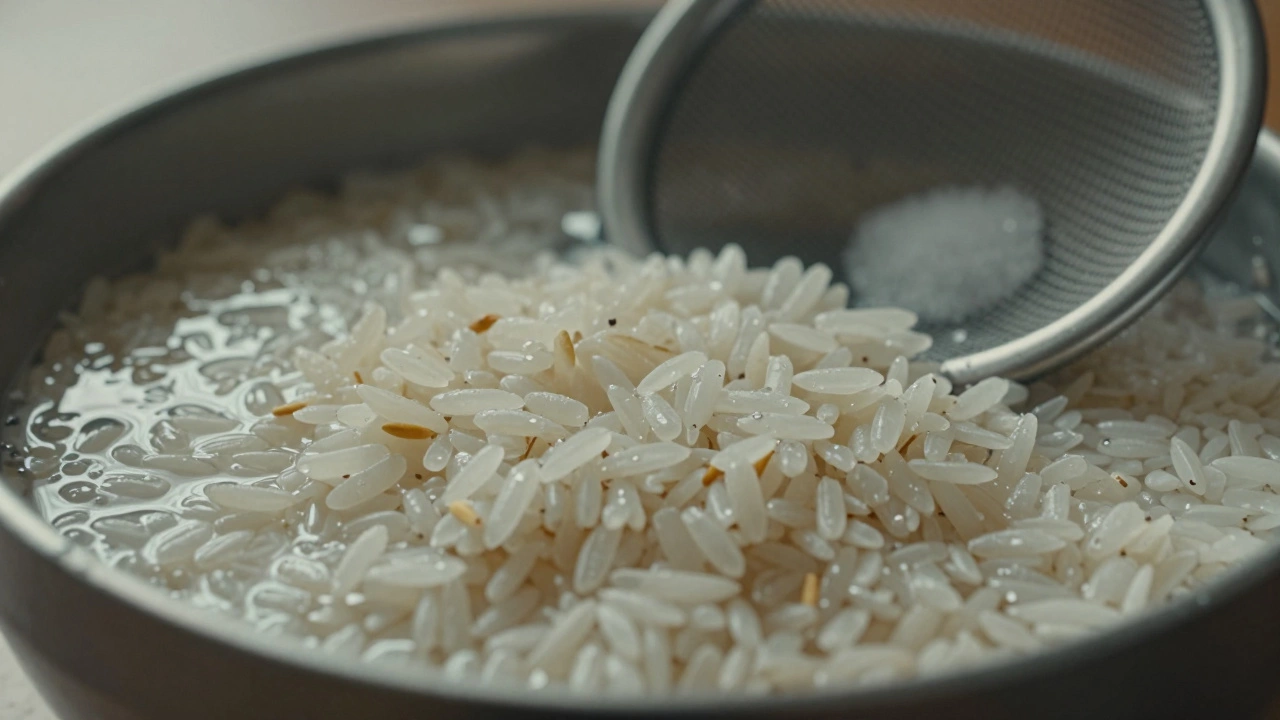
Why Do You Soak Rice for Biryani? The Science Behind the Step
Soaking rice for biryani isn't optional-it's essential for fluffy, separate grains that absorb flavor. Learn why this step matters, how long to soak, and what happens if you skip it.
learn more
Perfect Soaking Time for Basmati Rice in Biryani Recipes
Crafting the perfect biryani involves a balance of flavors and textures, starting with the foundation—basmati rice. This article provides insights into the ideal soaking time for basmati rice used in biryani, enhancing its flavor and texture. Learn why soaking is crucial and discover tips to achieve the best results in your culinary pursuits. With a nod to tradition and modern kitchen hacks, this guide ensures your biryani stands out.
learn more