Baking Soda in Indian Cooking: What It Does and How to Use It
When you see baking soda, a white powder that reacts with acid to create gas and help foods rise. Also known as sodium bicarbonate, it’s not just for cookies or cakes—it’s a quiet hero in South Indian kitchens too. You won’t find it in every recipe, but when it shows up, it changes everything. In dosa batter, for example, it doesn’t replace fermentation—it helps it along when time or weather is against you. A pinch can turn a flat, stubborn batter into something light and crisp.
It works because of chemistry, not magic. When baking soda meets something acidic—like yogurt, tamarind, or even the natural acids in soaked rice and urad dal—it releases carbon dioxide. That tiny burst of gas creates air pockets. That’s what makes your dosa fluffy, your idli soft, and your vada hold its shape without sinking. But here’s the catch: too much baking soda leaves a bitter, soapy taste. And if you add it to batter that’s already perfectly fermented, you’re just wasting it. It’s not a shortcut—it’s a support tool.
It’s also used in biryani, not to make the rice puff up, but to keep it separate. A tiny amount added to the boiling water helps the basmati grains stay firm and distinct, even after parboiling. You’ll find it in some dal recipes too, where it softens lentils faster, especially if you’re short on time. But it’s not a substitute for soaking. It’s a helper when the clock’s ticking.
And while fermentation is the gold standard in Indian cooking, baking soda steps in when the weather’s too cold, or you forgot to soak the dal overnight. It’s the backup plan that still delivers flavor. But it doesn’t replace the tangy depth that 12 hours of natural fermentation gives. Think of it like a booster shot, not the main vaccine.
People in Mysore and beyond don’t talk about it much. You won’t see it in grandma’s handwritten notes. But if you watch closely in busy kitchens, you’ll spot it—just a teaspoon, measured by eye, tossed in at the last minute before frying or steaming. It’s not fancy. It’s not traditional in the romantic sense. But it works. And that’s why it’s still there.
Below, you’ll find real recipes and fixes from cooks who’ve learned the hard way—what happens when you skip it, when you use too much, and when it makes all the difference. No guesswork. Just what actually happens in the pan, the pot, and the batter bowl.
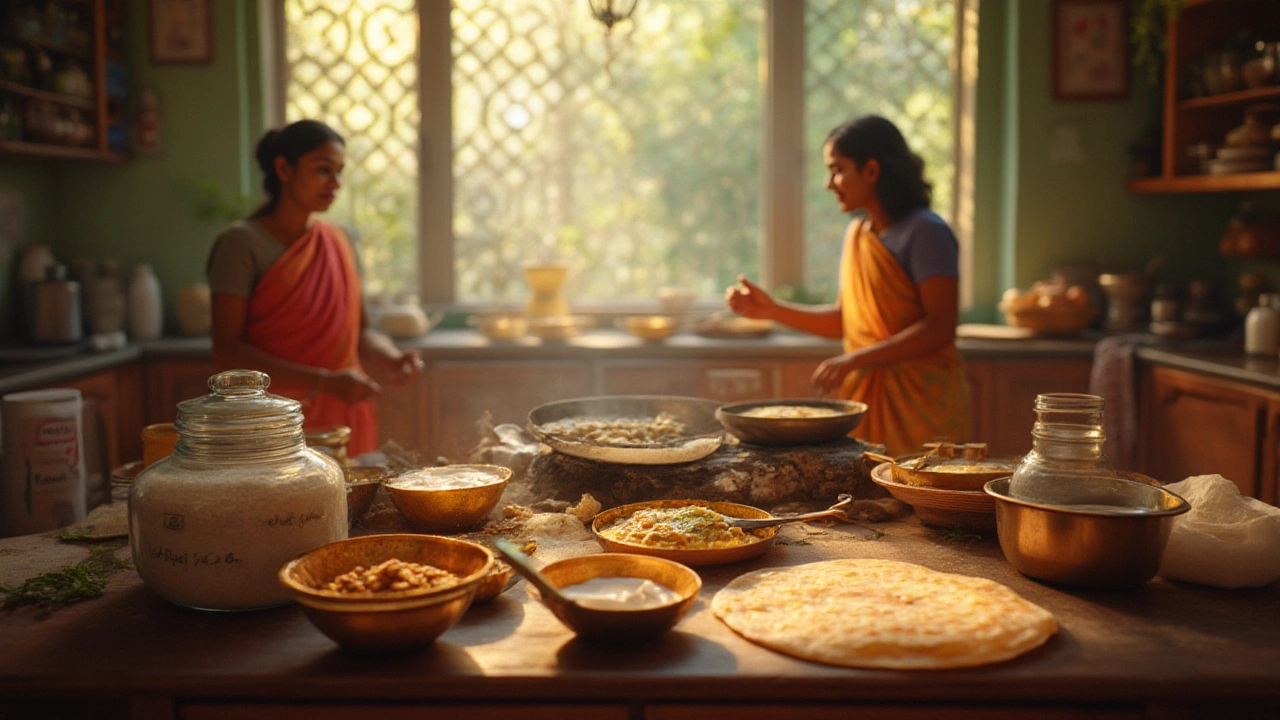
Baking Soda vs Yeast: The Truth About Perfectly Fermented Dosa Batter
Debating between baking soda and yeast for dosa batter? Learn the science, pros, cons, and expert tips to achieve fluffy, flavorful dosas every time.
learn more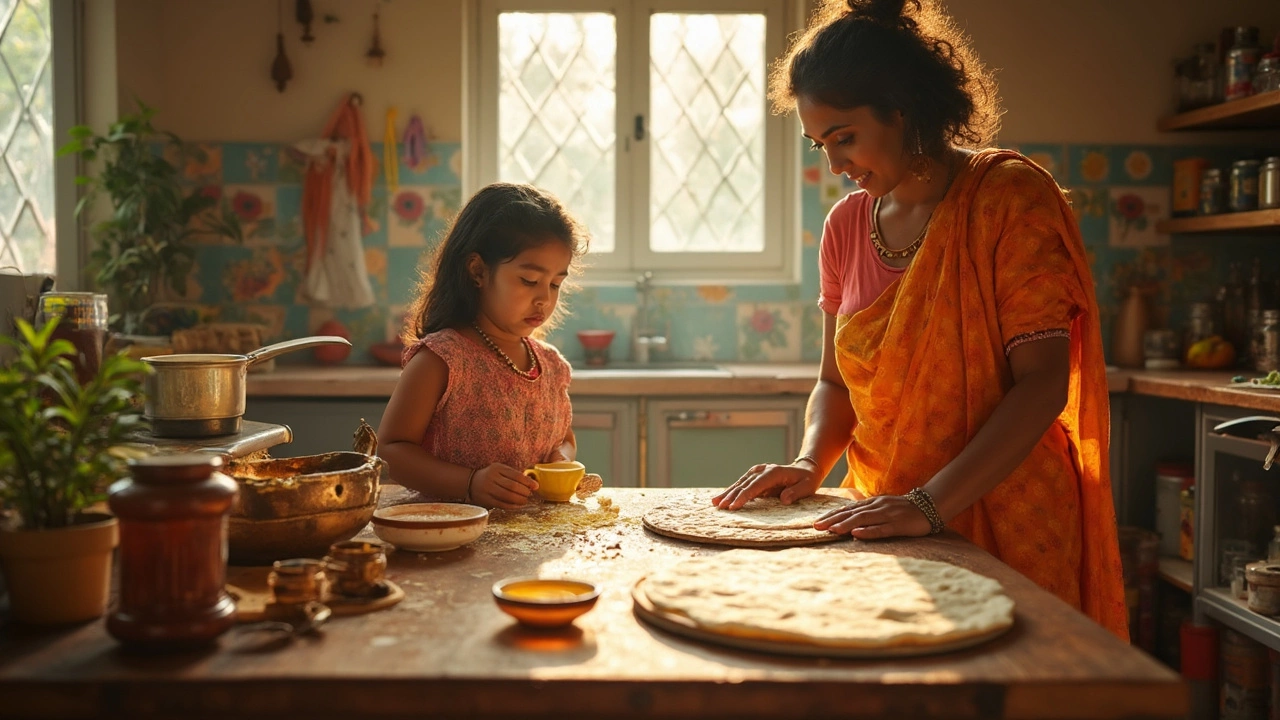
Does Baking Soda Make Roti Soft? What Actually Works (And What Doesn’t)
Ever wondered if adding baking soda to your roti dough makes them softer? This article pulls apart the truth, looking at how baking soda interacts with dough, real tips from Indian home cooks, and what to watch out for. You'll also learn simple tweaks that work for soft rotis every time, with advice that skips the myths and keeps things practical. Forget guessing—find out what actually works and what to avoid in the quest for perfect rotis.
learn more