Roti Recipes: Perfect Soft, Puffy Roti Every Time
When you think of roti, a classic Indian flatbread made from whole wheat flour and water, cooked on a hot griddle. Also known as chapati, it's the backbone of countless meals across India—simple, nourishing, and deeply satisfying. But if your roti comes out hard, flat, or chewy, you’re not alone. The problem isn’t your skill—it’s usually one or two missing pieces in the process. The right flour, the right water ratio, the right heat. That’s it. No fancy tools. No complicated steps. Just understanding how roti works.
What makes roti puff up isn’t magic—it’s carbon dioxide, a gas produced when moisture in the dough turns to steam under high heat. That’s the secret behind that beautiful balloon shape. But if your dough is too dry, too cold, or not kneaded enough, that gas doesn’t build up. And if your tawa isn’t hot enough, the steam escapes before it can lift the roti. It’s not about strength—it’s about timing and temperature. You don’t need baking soda to make roti soft. In fact, most home cooks skip it entirely. What really matters is how you mix, rest, and roll the dough. And the flour? Not all whole wheat is the same. Some brands are too coarse. Others lack the right gluten structure. The best flour for roti, a finely ground, high-protein whole wheat flour that holds moisture and stretches without tearing makes all the difference.
People ask if eating roti helps with belly fat. The answer isn’t yes or no—it’s about portion, pairing, and how you make it. A roti made with whole grain flour, cooked with minimal oil, and eaten with vegetables or lentils can fit perfectly into a healthy diet. But if it’s thick, overcooked, and soaked in ghee, it becomes a calorie trap. The key isn’t avoiding roti—it’s mastering how to make it right. That’s what this collection is for. You’ll find clear, no-nonsense fixes for roti that won’t puff, the truth about baking soda, and which flour actually works. No myths. No fluff. Just what you need to turn your roti from flat to fabulous.
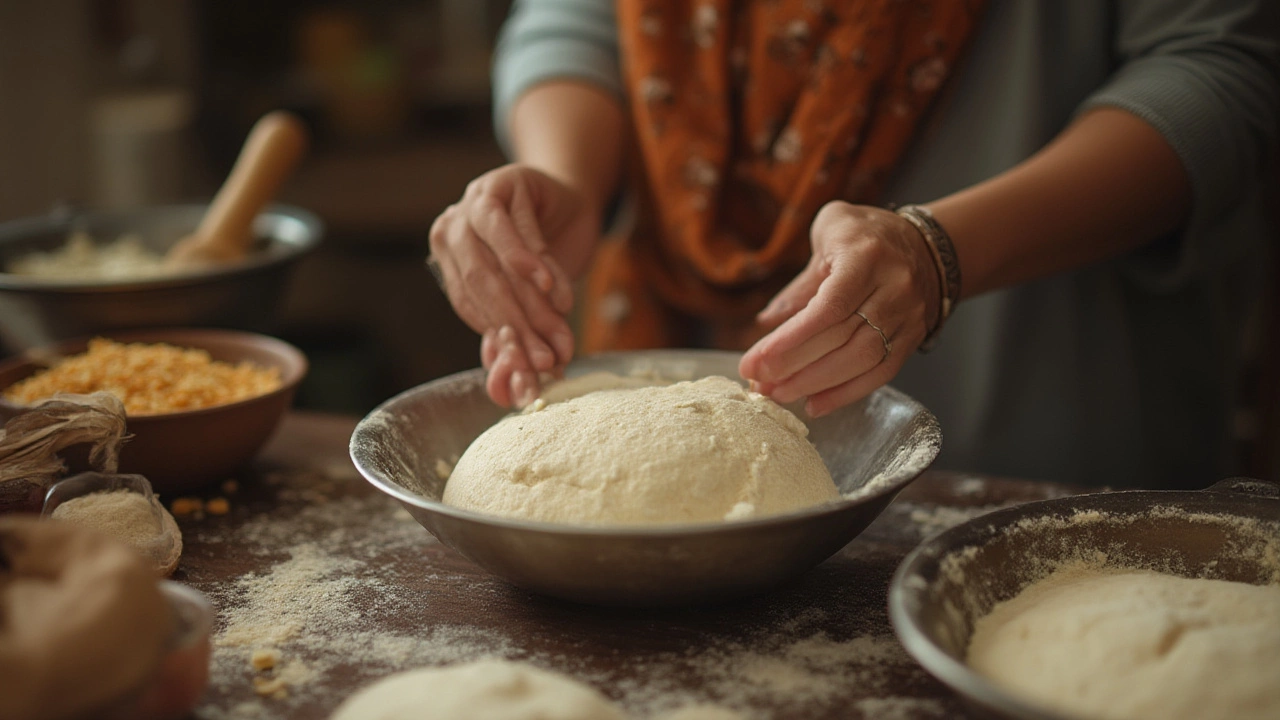
Why Your Roti Isn’t Puffing: Solutions & Secrets for Perfect Phulka
Roti not puffing? Uncover all the real reasons, with hands-on tips, fixes, and easy secrets for soft, puffy phulka every time. Troubleshoot like a pro, next meal.
learn more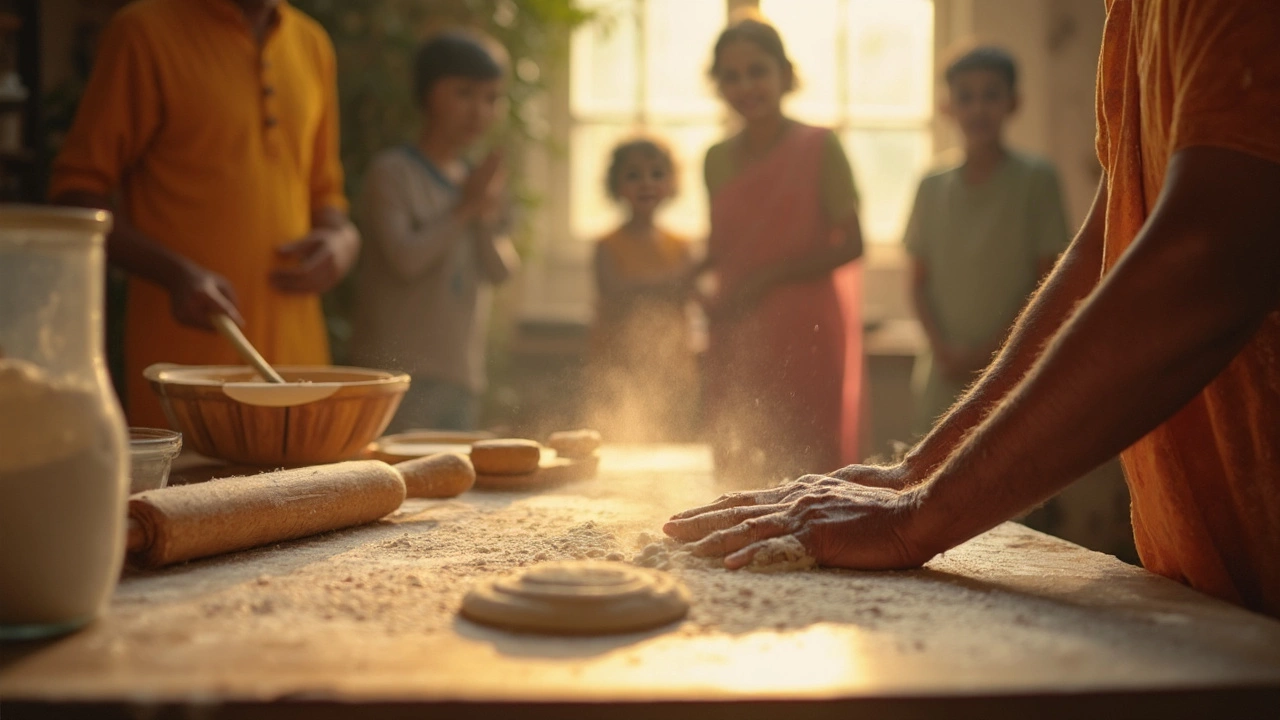
Secret to Fluffy Roti: Simple Tweaks for Soft Perfection
Everyone wants their roti to puff up perfectly and stay soft once it’s cooked, but not everyone knows how to get there. This article spills the real secrets behind fluffy roti, from the kind of flour to water ratios and kneading tricks. You’ll learn how little changes in your process make a huge difference. Say goodbye to hard, chewy rotis and impress at the dinner table. Even first-timers can follow these easy steps and nail it each time.
learn more
Which Gas Makes Roti Fluffy? Roti Science, Explained Simply
Ever wondered why some rotis puff up perfectly while others stay flat? This article digs into the science behind what really makes roti fluffy. Find out which gas is at play and how simple tweaks in your kneading and cooking steps can make a big difference. No jargon, just straightforward tips that work in any home kitchen. Perfect for anyone who wants soft, puffed rotis every time.
learn more
Does Baking Soda Make Roti Soft? What Actually Works (And What Doesn’t)
Ever wondered if adding baking soda to your roti dough makes them softer? This article pulls apart the truth, looking at how baking soda interacts with dough, real tips from Indian home cooks, and what to watch out for. You'll also learn simple tweaks that work for soft rotis every time, with advice that skips the myths and keeps things practical. Forget guessing—find out what actually works and what to avoid in the quest for perfect rotis.
learn more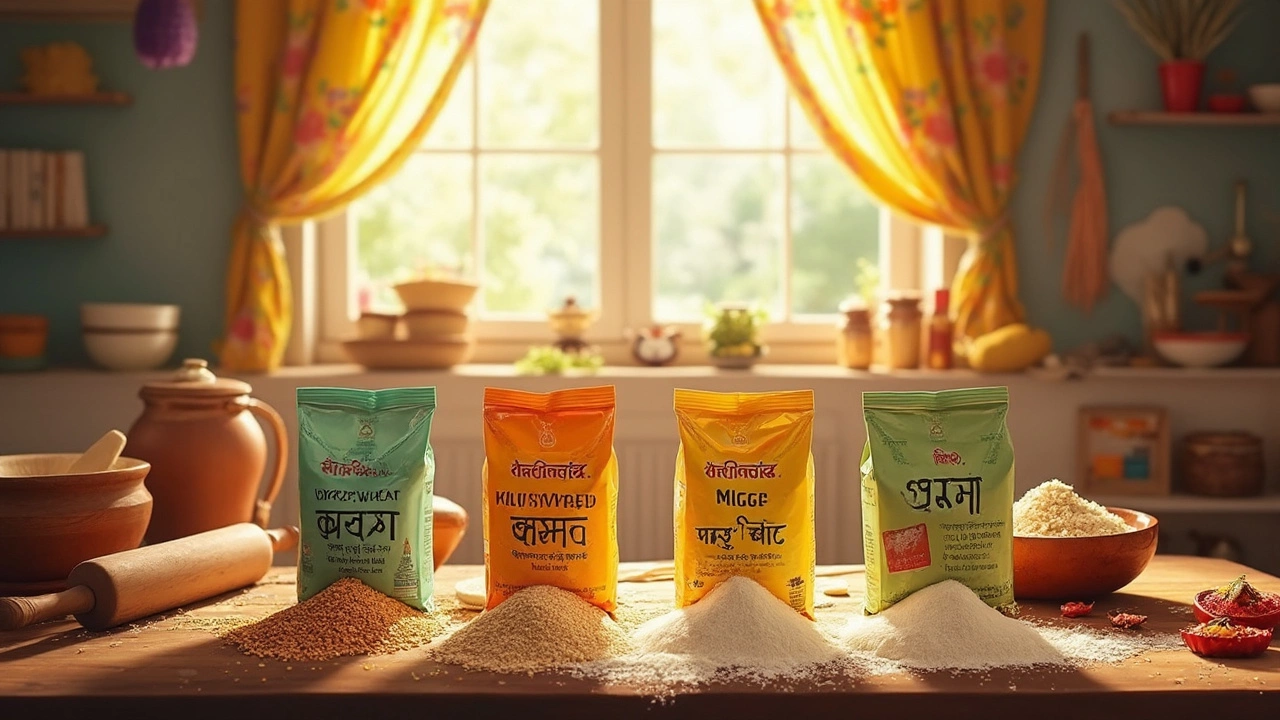
Best Flour for Roti: A Practical Guide
Choosing the right flour can make all the difference in your roti-making experience. From traditional whole wheat to gluten-free options, each type of flour brings unique qualities to your dough. Understanding the properties of different flours can help you achieve the perfect texture for your rotis. Knowing what works best with your cooking style and taste preferences is key. Let's explore which flour suits your roti-making needs.
learn more
How Many Chapatis Should You Eat to Lose Belly Fat?
Finding the right balance of chapati consumption can be crucial in your quest to lose belly fat while embracing a balanced diet. This article delves into the nutritional profile of chapatis and their role in a weight loss regimen. Learn how to incorporate chapatis effectively into your meals, mindful of both portion size and caloric intake. Gain insights into comparisons with other carbohydrates and get tips on making healthier chapati options that won't jeopardize your goals. Discover how your lifestyle needs and activity levels influence the number of chapatis you should consume daily.
learn more