Biryani Recipes: Master the Flavors, Techniques, and Secrets Behind Perfect Biryani
When you think of biryani, a layered rice dish from South Asia known for its aromatic spices, tender meat, and fluffy basmati grains. Also known as biryani rice dish, it’s not just a meal—it’s a ritual that combines technique, timing, and tradition to create something that lingers on your tongue long after the plate is empty. What makes biryani different from other rice dishes isn’t just the spices. It’s how the rice is treated, how the meat is layered, and how steam locks in flavor during the dum cooking, a slow, sealed-pot method that allows flavors to meld without losing moisture or aroma. This method turns simple ingredients into something extraordinary. And it’s why skipping the soak, rushing the parboil, or leaving out the seasoning oil can ruin an entire pot.
Behind every great biryani is a chain of small, intentional steps. The basmati rice, a long-grain variety prized for its fragrance and ability to stay separate when cooked. needs the right soak—sometimes 30 minutes, sometimes overnight—to get that perfect bite. Then there’s the biryani masala, a custom spice blend that varies by region, often including cardamom, cloves, cinnamon, and bay leaves. You don’t just add it—you bloom it in ghee or oil to unlock its full power. And let’s not forget the role of milk, used to soften rice, add richness, and give a golden hue without cream. Or how lemon, a tiny squeeze added before layering, cuts through the fat and wakes up the whole dish. These aren’t optional touches. They’re the quiet heroes that make the difference between good and unforgettable.
People ask if biryani is hard to cook. The truth? It’s not about complexity—it’s about attention. You don’t need fancy tools. You need to understand why you’re doing each step. Why soak the rice? To prevent mush. Why use ghee instead of oil? For deeper flavor. Why layer meat and rice instead of mixing? For texture and steam distribution. This collection pulls back the curtain on exactly what works—and what doesn’t—in real kitchens. You’ll find fixes for dry biryani, swaps when your masala runs out, and the one trick that keeps rice fluffy even after sitting for hours. Whether you’re making chicken biryani for Sunday dinner or vegan biryani for a crowd, these guides give you the confidence to skip the guesswork and cook like someone who’s been doing it for decades.
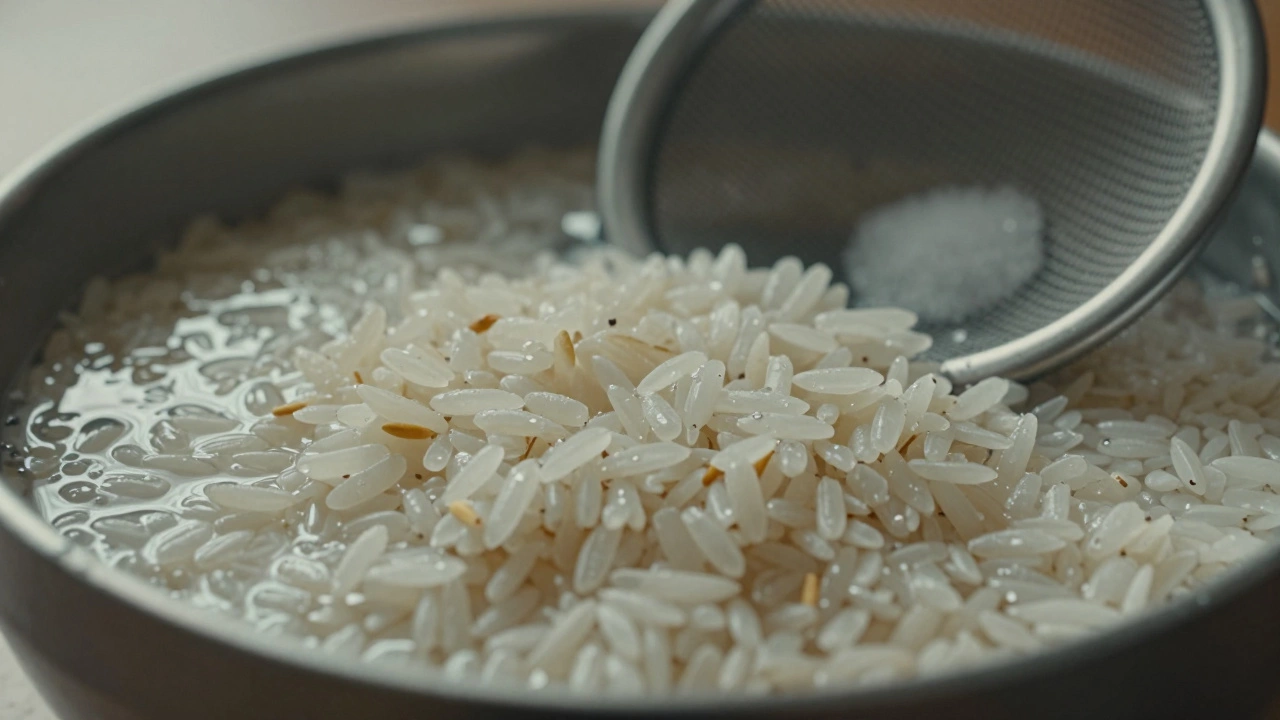
Why Do You Soak Rice for Biryani? The Science Behind the Step
Soaking rice for biryani isn't optional-it's essential for fluffy, separate grains that absorb flavor. Learn why this step matters, how long to soak, and what happens if you skip it.
learn more
Why Do We Add Lemon in Biryani? The Real Reason Behind This Common Step
Lemon in biryani isn't just for show - it cuts through richness, keeps rice fluffy, and lifts the spices. Skip it, and your biryani loses its soul. Here's why this simple ingredient makes all the difference.
learn more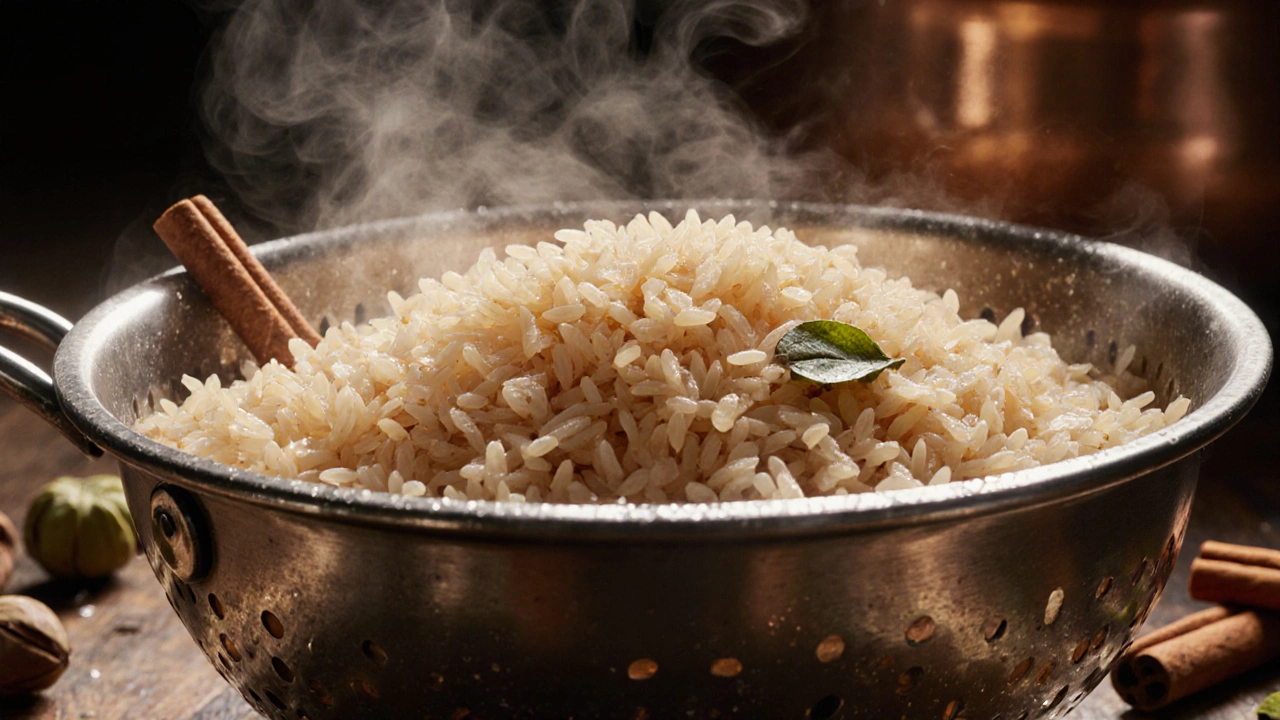
How Long to Boil Rice for Biryani? Perfect Timing for Fluffy, Fragrant Grains
Learn the perfect 7-8 minute parboiling time for basmati rice in biryani. Avoid mushy or hard grains with this step-by-step guide to fluffy, fragrant rice every time.
learn more
How to Balance Spice in Biryani - Simple Tips for Perfect Flavor
Learn practical ways to balance spice in biryani, from choosing the right chilies to quick fixes for overly hot dishes. Follow step‑by‑step tips for flawless flavor.
learn more
Why Biryani Tastes So Amazing - The Science Behind Its Flavor
Discover the science behind biryani's unforgettable flavor - from aromatic basmati rice and ghee to spice blends, dum cooking, and finishing touches.
learn more
Why Biryani Takes Long to Cook - The Science, Steps & Speed‑Up Tips
Discover why biryani cooking takes time, the science behind each step, and practical shortcuts to speed up the process without losing flavor.
learn more
Which Essence Gives Biryani Its Signature Flavor?
Discover which essences create biryani's signature aroma, how to make your own blend, storage tips, and common mistakes to avoid for perfect biryani flavor.
learn more
Is Biryani Hard to Cook? Honest Tips You Need to Succeed
Curious if biryani is hard to cook? This guide demystifies the process, shares real-life tips, and reveals everything you need to know for delicious homemade biryani.
learn more
Secret Ingredients That Make Biryani Unforgettable: Flavors, Spices, and Insider Tips
Dig into the secret ingredients and flavors that turn biryani into something unforgettable. Discover real tips, special spices, and tricks that top cooks use.
learn more
Juicy Biryani: How to Get Perfect Texture Every Time
Dry biryani is a common letdown, but juicy biryani is totally within your reach. This article breaks down what really makes biryani juicy, from picking the right rice to nailing the dum step. You'll get specific tips on layering, spices, and moisture tricks straight from kitchens where biryani is an everyday affair. Skip the guesswork and discover super practical steps anyone can follow. By the end, you’ll know exactly how to get that dreamy, mouthwatering biryani that leaves no one asking for extra raita.
learn more
How Long Should I Soak Basmati Rice Before Cooking? Get Perfect Biryani Every Time
Wondering if soaking basmati rice really makes a difference? This article explains exactly how long you should soak it for biryani, why it matters, and what to expect if you skip the step. Learn science-backed tips to avoid mushy or clumpy rice, and find out a few hacks when you’re short on time. Master your rice texture for biryani—never guess again about soaking times.
learn more
Why Do You Put Milk in Biryani? Unlocking the Role of Milk in Flavorful Rice Dishes
People often wonder why recipes call for milk in biryani. This article breaks down how milk changes the flavor, texture, and look of the final dish. It shares smart cooking tips and explains which type of milk works best. You'll find out if adding milk is really necessary and whether it can be swapped for other ingredients. Real-world insights and tested tricks make this guide genuinely useful.
learn more