Mysore Cuisine in February 2025: Healthy Indian Food, Paneer Tips, and Street Food Secrets
When it comes to Indian food, a diverse, spice-driven culinary tradition rooted in regional ingredients and centuries-old practices. Also known as South Indian cuisine, it’s not just about bold flavors—it’s about balance, nutrition, and tradition. From the fermented batter of dosa to the slow-cooked dal, Indian food offers meals that can support health if prepared with awareness. But not all dishes are created equal. In February 2025, we dug into what’s really going on in kitchens across India, uncovering what makes certain foods work for your body—and what might be holding you back.
One big topic? paneer, a fresh, unaged cheese central to North and South Indian cooking, made by curdling milk with acid. Also known as chena, it’s a protein powerhouse—but getting it right at home is tricky. Why does your paneer turn hard? Which milk gives you the creamiest texture? We broke down the science behind milk types, curdling temps, and pressing time so you don’t end up with a rubbery block. And if you can’t find paneer where you live, we showed you what English substitutes actually work in curries, salads, and snacks. Then there’s the gut. Lentils and dal aren’t just cheap protein—they’re fiber bombs that help clean your digestive system. But eat them every day without variety? You might miss out on other essential nutrients. We looked at how to balance your plate so your gut thrives without sacrificing flavor.
Street food is another beast. India’s roadside stalls offer unforgettable tastes, but they also come with risks. We listed the foods to skip—especially if you’re not used to the local water or handling. Spoiled oils, unrefrigerated chutneys, and raw veggies washed in tap water? Big red flags. And while biryani and dosa are staples, we asked: are they junk food? The answer isn’t yes or no—it’s about how they’re made. Same with chapatis. How many should you eat to lose belly fat? It depends on your activity, your flour, and your portion size.
We also tackled myths. Is chutney always spicy? No. Can sweets last two years? Sometimes, if stored right. Do Sikhs avoid eggs? Yes—and here’s why. And yes, we settled the garam masala vs. tandoori debate once and for all. These aren’t just cooking tips—they’re cultural insights wrapped in everyday meals.
What you’ll find below isn’t just a list of articles. It’s a practical toolkit. Whether you’re trying to lose weight with Indian snacks, ferment dosa batter in an hour, or pick the best milk for homemade paneer, everything here is tested, real, and meant for your kitchen. No fluff. No guesswork. Just what works.
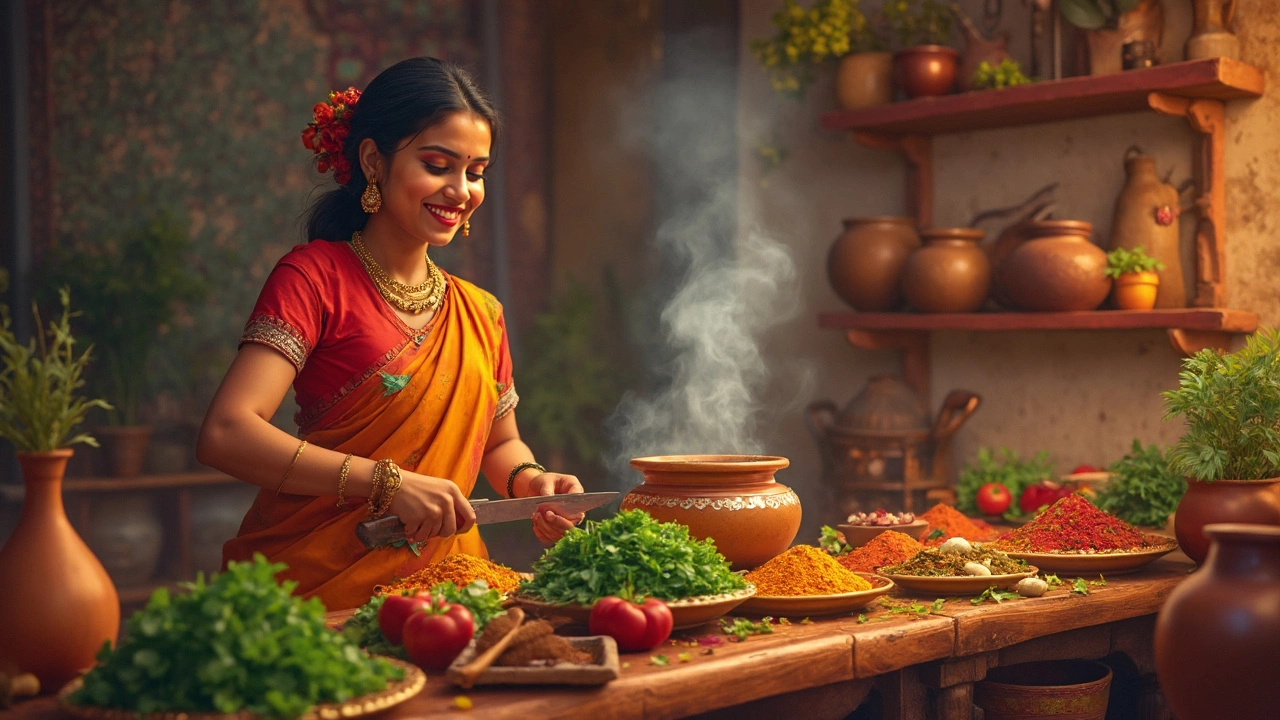
Is Indian Food Healthy for You? Discover the Facts!
Indian food is known for its vibrant flavors and spices, but is it healthy for you? This article explores the health aspects of Indian cuisine, considering its ingredients, cooking methods, and traditional practices. Learn how spices like turmeric and cumin can offer health benefits, and get tips on making your favorite dishes healthier. Dive into easy recipes that capture the essence of Indian food without sacrificing nutritional value.
learn more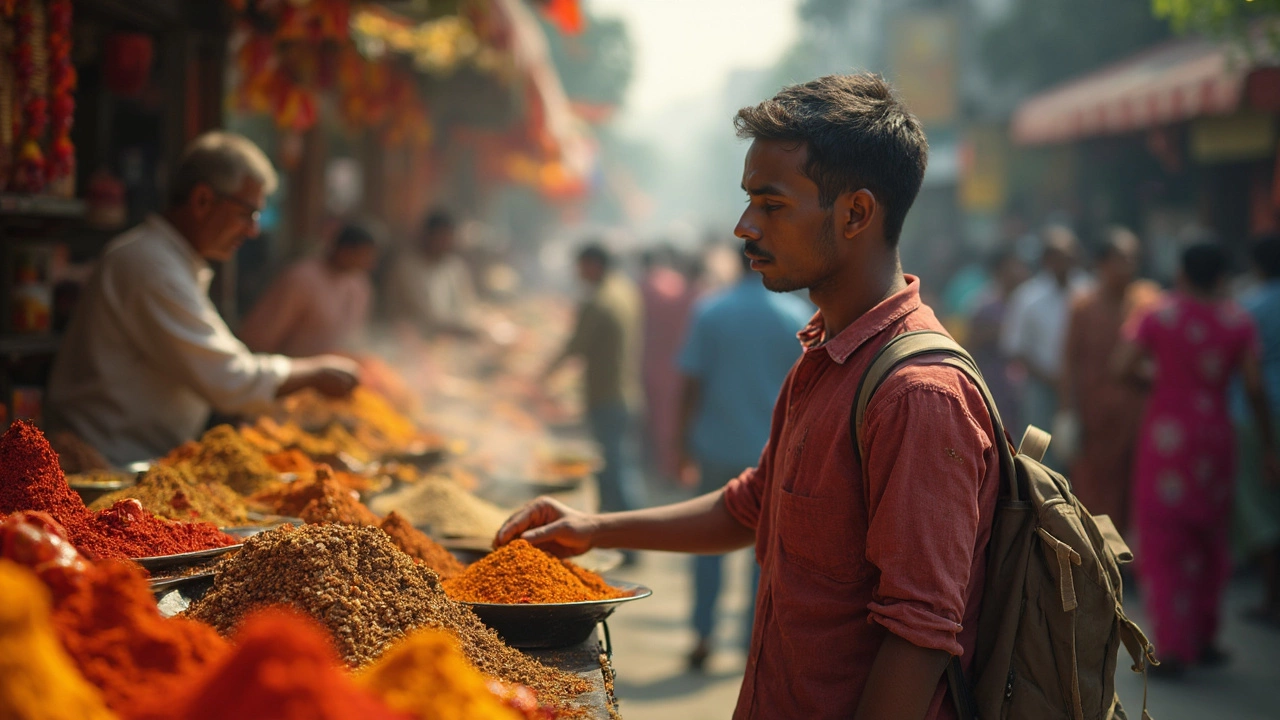
What Foods to Skip When Eating Street Food in India
Exploring the vibrant world of Indian street food is an experience like no other, but it comes with its share of challenges. Knowing what foods to avoid can save you from unwelcome food poisoning encounters. Learn which textures, smells, and food stalls to steer clear from so that your culinary adventure remains a highlight of your trip. From avoiding uncooked delicacies to identifying potentially harmful ingredients, a little caution goes a long way.
learn more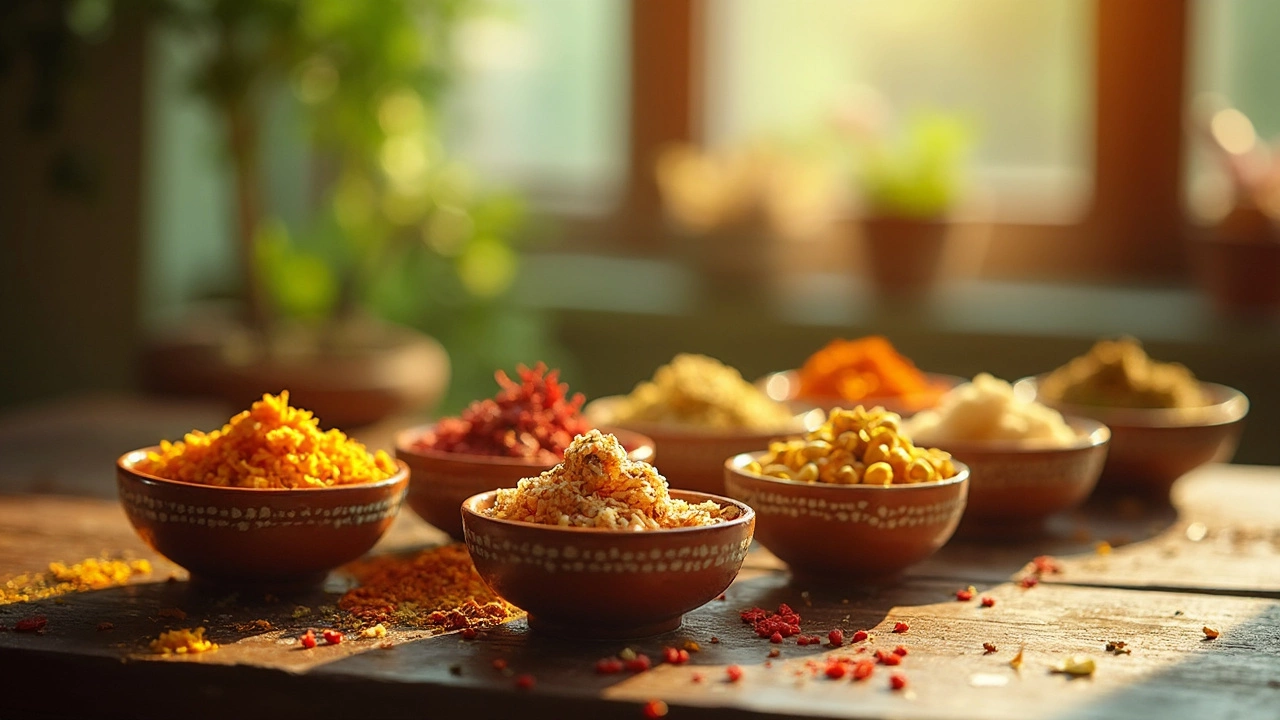
How to Lose 20 Pounds in a Month with Healthy Indian Snacks
Discover how healthy Indian snacks can be a part of your journey to lose 20 pounds in a month. This guide explores tasty and nutritious options that will satisfy your taste buds while helping you shed weight. Learn about portion control, mindful eating, and the role of spices in boosting metabolism. Find tips on preparing snacks at home and incorporating them into your daily routine for effective weight loss.
learn more
Which Indian State Takes the Crown for Quick Breakfast Delights?
India is a land of diverse flavors and breakfast here is no exception. Different states bring their unique twist to morning meals, making the quest for the most foodie state a delicious journey. From the rich parathas of Punjab to the light idlis of Tamil Nadu, each region offers something special. This article explores these culinary delights, uncovering the states that really shine in breakfast variety and popularity.
learn more
Best Milk Choices for Homemade Paneer
Making paneer at home requires choosing the right type of milk for the best results. Cow's milk is a common choice due to its availability and rich flavor, but other options like buffalo milk and plant-based alternatives are also worth considering. Each type of milk has unique qualities affecting texture and taste, influencing your final paneer outcome. Understanding these differences can elevate your cooking and help you make the best choice for your culinary needs.
learn more
Banned Meats in India: What You Need to Know
India's flavorful street food often includes a wide variety of meats, but not all are legal to sell or consume. Beef is the most well-known banned meat in many Indian states, driven by cultural and religious beliefs. The complex regulations around meat can vary significantly from one state to another, making it essential to know the local laws. This article dives into the banned meats across India and how they influence the vibrant street food scene.
learn more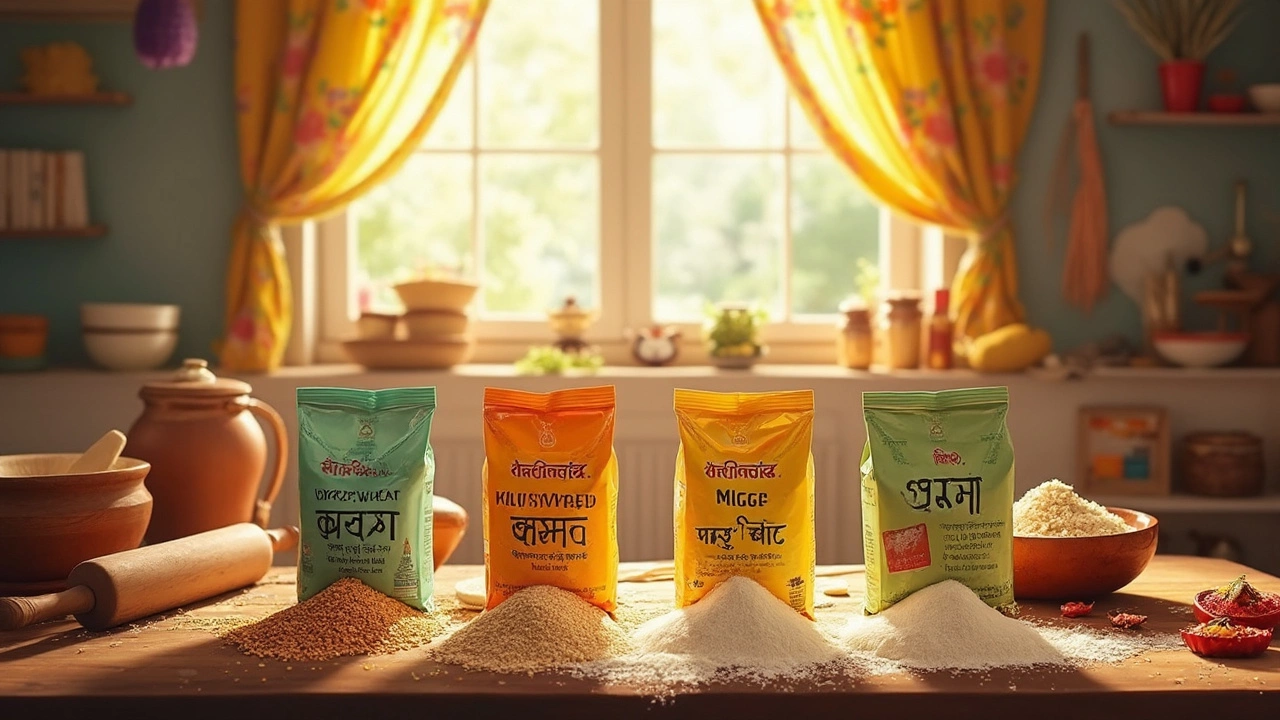
Best Flour for Roti: A Practical Guide
Choosing the right flour can make all the difference in your roti-making experience. From traditional whole wheat to gluten-free options, each type of flour brings unique qualities to your dough. Understanding the properties of different flours can help you achieve the perfect texture for your rotis. Knowing what works best with your cooking style and taste preferences is key. Let's explore which flour suits your roti-making needs.
learn more
Disadvantages of Eating Dal Daily
While dal is a nutritious staple in many diets, eating it every day may have potential drawbacks. These can range from nutritional imbalances to digestive issues, depending on portion sizes and preparation methods. It's crucial to be mindful of how eating dal daily might affect protein diversity and micronutrient intake. The article explores these concerns and provides practical tips for integrating dal into a balanced diet. Understanding these aspects can help people enjoy dal without compromising their health.
learn more
How to Ferment Dosa Batter Immediately: Quick Tips Inside
Fermenting dosa batter can be time-consuming, but there are ways to speed up the process without compromising taste. This guide will share quick techniques for immediate dosa batter fermentation, using common kitchen ingredients and equipment. Perfect for those who love dosa but hate waiting long hours for fermentation. Let's make this delicious South Indian staple faster and more accessible!
learn more
English Alternative for Paneer: Your Go-To Guide
Paneer, a staple in Indian cuisine, can be tricky to find outside of South Asian markets. Luckily, several English alternatives can substitute paneer in various recipes. This article explores the best substitutes, tips for making paneer at home, and how these alternatives fare in different dishes. Whether you're cooking a spicy curry or a refreshing salad, find out which English ingredients can work as a stand-in for paneer.
learn more
Best Milk for Chena: Choosing the Right Type for Homemade Paneer
Making chena, or homemade paneer, begins with choosing the right milk. The choice largely impacts the taste, texture, and yield of your paneer. Understanding which type of milk—full-fat, skim, raw, or pasteurized—works best for paneer can elevate your cooking. Discover interesting facts and practical tips on selecting the ideal milk for making the softest, creamiest chena.
learn more
Is Chutney Always Spicy? Unravel the Flavorful Mystery
Chutney is a staple in many cuisines, known for its wide range of flavors and not just its spiciness. While often associated with heat, chutneys come in various profiles, including sweet, tangy, and mild. This article explores the different types of chutney, providing tips on how to balance flavors and create your own unique blend at home. Discover how chutneys can transform any dish with their versatile and flavorful touch.
learn more