Nighttime Dal Comfort Calculator
Configure your meal to see results.
The Big Question: Is Dal Really Bad for Bedtime?
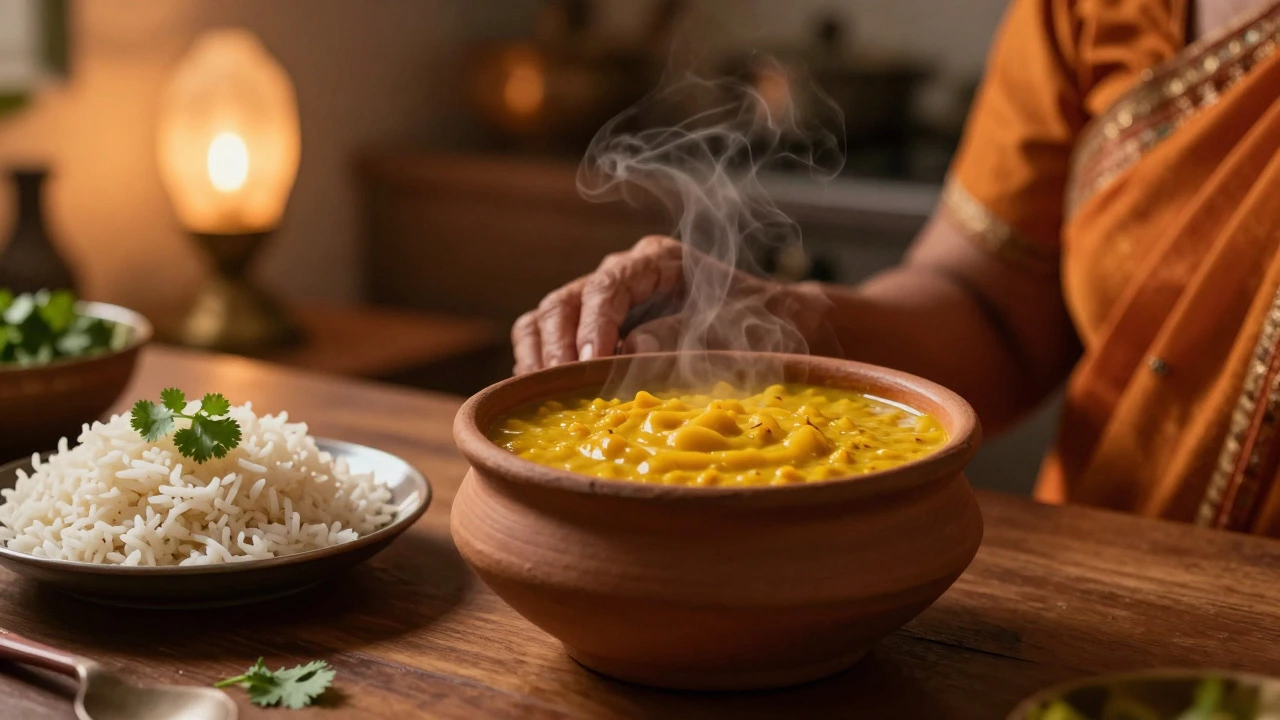
You’ve probably heard it before. Maybe your grandmother warned you, or a friend mentioned it over chai. The rumor goes that eating dal (lentils) at night causes gas, bloating, and restless sleep. It’s one of those persistent kitchen myths that we often accept without questioning. But is there any scientific truth to the idea that you should avoid this protein-packed staple after sunset?
The short answer is no. For most people, dal is perfectly fine for dinner. In fact, it might even be better than heavy meats or fried snacks. However, like any food, how your body handles it depends on your digestion, portion size, and preparation method. Let’s break down why this myth exists, what science says about lentils and sleep, and how you can enjoy dal at night without the discomfort.
Where Did This Myth Come From?
To understand the fear around nighttime dal, we have to look at traditional wisdom, specifically Ayurveda, an ancient Indian system of medicine that classifies foods by their effect on the body's energy balance. In Ayurvedic terms, dal is considered "heavy" or hard to digest compared to lighter grains like rice. The logic follows that as evening approaches, your digestive fire (Agni) naturally slows down. Therefore, consuming heavy proteins right before bed could lead to indigestion.
This isn’t unique to India. Many cultures believe in avoiding heavy meals late at night. The concern is valid in principle-eating a massive, oily meal right before lying down can cause acid reflux. But does this apply to a simple bowl of yellow dal with rice? Usually, not really. The myth likely stems from experiences where people ate poorly prepared lentils, too large portions, or combined them with other difficult-to-digest ingredients.
The Science of Lentils and Digestion
Lentils are nutritional powerhouses. They are packed with plant-based protein, fiber, iron, and folate. But they also contain compounds called oligosaccharides and complex sugars that human enzymes struggle to break down completely in the small intestine. When these sugars reach the large intestine, bacteria ferment them, producing gas. This is the primary culprit behind the "dal makes you gassy" reputation.
Here’s the key insight: gas production happens regardless of whether you eat dal at noon or midnight. If your gut microbiome struggles with fiber during the day, it will struggle at night too. However, because you lie down after dinner, gravity doesn’t help move food through your system as efficiently as when you’re upright and moving. This can make bloating feel more pronounced.
So, the issue isn’t the time of day; it’s the combination of high fiber content and reduced physical activity. If you eat a huge bowl of thick, creamy dal and then immediately sit on the couch, you might feel sluggish. That sensation gets misinterpreted as "dal is bad for night." In reality, it’s just your body asking for space to process fiber.
Dal vs. Other Dinner Options
Let’s put dal in perspective. What else do people typically eat for dinner? Fried chicken, heavy curries with cream, or large steaks? Compared to these options, dal is actually quite gentle on the stomach. Animal fats take longer to digest than plant proteins. A study published in the American Journal of Clinical Nutrition found that plant-based diets generally result in less post-meal inflammation and better metabolic health than high-fat animal diets.
Consider the alternatives:
- Fried Foods: High in fat, slow to digest, prone to causing heartburn.
- Heavy Cream Curries: Rich and delicious, but the saturated fat can weigh you down.
- Large Portions of Meat: Requires significant digestive effort, potentially disrupting sleep quality.
- Dal with Rice: Provides sustained energy release due to complex carbs and fiber, promoting stable blood sugar levels overnight.
In many ways, dal is a superior choice for dinner if prepared correctly. It keeps you full without the heavy, greasy feeling that comes from processed or fatty foods.
| Food Item | Digestibility | Fiber Content | Sleep Impact |
|---|---|---|---|
| Dal (Lentils) | Moderate | High | Neutral to Positive |
| Fried Chicken | Low | None | Negative (Reflux risk) |
| White Rice Only | High | Low | Positive (Light) |
| Creamy Paneer Curry | Low-Moderate | Low | Negative (Heavy) |
How to Enjoy Dal at Night Without Bloating
If you want to keep dal in your dinner rotation but worry about comfort, here are practical steps to make it easier on your gut. These aren’t just tricks; they’re based on how our bodies process legumes.
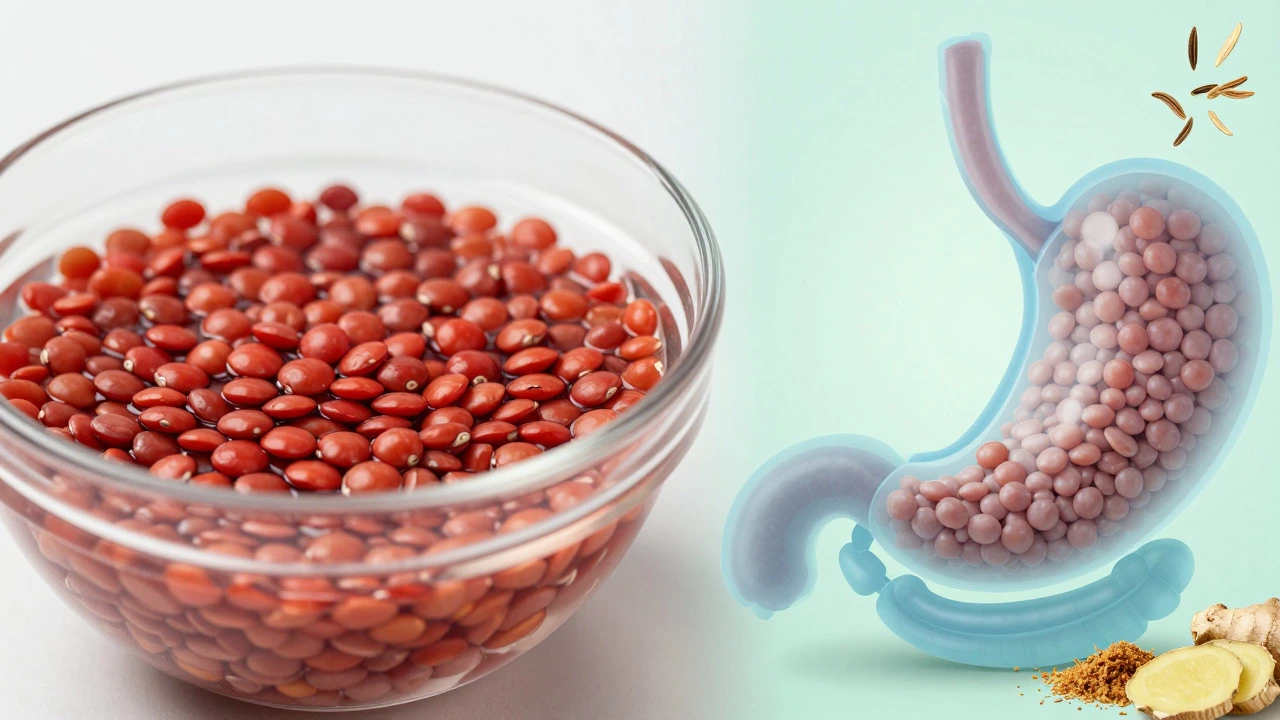
- Soak Your Lentils: Soaking red or brown lentils for 30 minutes to an hour before cooking helps wash away some of those gas-producing oligosaccharides. For harder lentils like masoor or urad, soaking overnight is even better.
- Use Digestive Spices: This is where Indian cooking shines. Adding cumin seeds, asafoetida (hing), ginger, and black pepper to your dal isn’t just for flavor. Hing, in particular, has been used for centuries to reduce flatulence. Ginger aids gastric emptying, helping food move through your system faster.
- Keep Portions Moderate: You don’t need a mountain of dal. A half-cup serving alongside rice or roti provides plenty of protein without overwhelming your digestive tract.
- Choose Easier Varieties: Red lentils (masoor dal) and split pigeon peas (toor dal) break down much faster than whole green or black lentils. They are softer, cook quicker, and are generally gentler on the stomach.
- Don’t Lie Down Immediately: Give yourself at least two hours between finishing your meal and going to bed. This allows gravity and natural peristalsis to work in your favor.
The Benefits of Evening Protein
Interestingly, recent research suggests that eating protein in the evening might actually benefit your muscles and metabolism. A review in the Journal of the International Society of Sports Nutrition highlighted that evening protein intake supports muscle repair while you sleep. Since dal is a complete protein source when paired with rice (which provides the limiting amino acid methionine), it creates a perfect biological package for overnight recovery.
Moreover, the magnesium and tryptophan found in lentils can support relaxation. Tryptophan is a precursor to serotonin and melatonin, the hormones that regulate sleep. So, rather than keeping you awake, a moderate serving of dal might actually help you drift off more easily, provided it doesn’t cause bloating.

Who Should Actually Avoid Dal at Night?
While dal is safe for most, certain conditions require caution. If you suffer from severe Irritable Bowel Syndrome (IBS), particularly the subtype sensitive to FODMAPs (fermentable carbohydrates), lentils can trigger symptoms. In this case, sticking to low-FODMAP options like small portions of canned lentils or choosing rice and vegetables for dinner might be wiser.
People with gout should also monitor their purine intake. While plant purines are less risky than animal purines, excessive consumption of legumes can sometimes spike uric acid levels in sensitive individuals. If you have kidney issues, consult your doctor about protein limits, as both plant and animal proteins affect kidney function.
Simple Dal Recipe for a Light Dinner
Here’s a quick, easy recipe designed specifically for evening meals. It’s light, spiced for digestion, and ready in under 20 minutes.
Ingredients:
- 1/2 cup red lentils (masoor dal), rinsed
- 1 tsp cumin seeds
- 1/4 tsp asafoetida (hing)
- 1 inch fresh ginger, grated
- 1 tomato, chopped
- 1 cup water
- Salt to taste
- Fresh cilantro for garnish
Instructions:
- Heat a little oil in a pot. Add cumin seeds and let them sizzle.
- Add asafoetida and grated ginger. Stir for 30 seconds until fragrant.
- Add the chopped tomato and cook until soft and mushy.
- Add the rinsed lentils and water. Bring to a boil.
- Reduce heat, cover, and simmer for 10-15 minutes until lentils are soft and creamy.
- Season with salt and garnish with cilantro. Serve warm with a small portion of rice or roti.
Final Thoughts on Nighttime Eating
The idea that you shouldn’t eat dal at night is largely a myth rooted in misunderstanding digestion. For the vast majority of people, lentils are a healthy, nutritious, and satisfying part of dinner. By choosing easy-to-digest varieties, using smart spices, and managing portion sizes, you can enjoy the benefits of dal without the drawbacks.
Listen to your body. If you feel great after an evening bowl of dal, keep doing it. If you notice bloating, adjust your prep method or timing. Food is personal, and flexibility is key to a healthy lifestyle. Don’t let old wives’ tales rob you of a delicious and wholesome meal.
Does eating dal at night cause weight gain?
No, dal itself does not cause weight gain. Weight gain occurs when you consume more calories than you burn, regardless of the time of day. Dal is low in fat and high in fiber, which can actually help control appetite. However, if you eat a very large portion late at night and don't move around, the extra calories might contribute to a surplus over time. Portion control is key.
Which type of dal is best for dinner?
Red lentils (Masoor dal) and yellow split peas (Toor dal) are the best choices for dinner. They cook quickly, break down into a soft consistency, and are easier for the stomach to process compared to whole lentils like Black Chana or Green Moong. Their mild nature makes them less likely to cause bloating.
Can I drink milk with dal at night?
Ayurveda traditionally advises against mixing milk and lentils, claiming it creates toxins. Modern nutrition science doesn't strongly support this, but combining two heavy proteins (dairy and legume) might slow digestion further. If you have a sensitive stomach, it’s safer to stick to water or herbal tea with your dal dinner.
Why do I feel sleepy after eating dal?
Feeling sleepy after a carb-heavy meal is known as "postprandial somnolence." Dal contains carbohydrates and tryptophan, an amino acid that promotes sleepiness. Additionally, directing blood flow to the digestive system can make you feel relaxed or drowsy. This is normal and usually harmless.
Is dal good for diabetics at night?
Yes, dal is excellent for diabetics. It has a low glycemic index, meaning it releases sugar slowly into the bloodstream. This prevents spikes in blood sugar levels overnight. Pairing dal with fiber-rich vegetables and whole grains makes for a balanced, diabetic-friendly dinner.