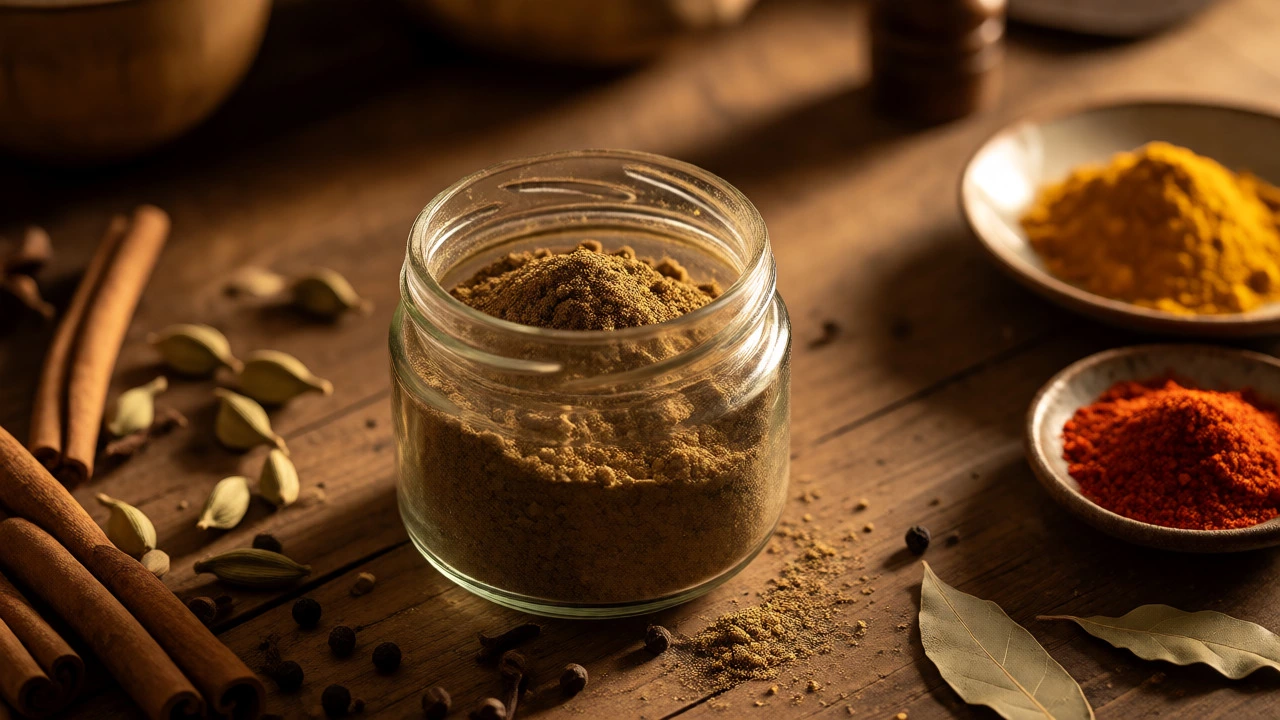
Garam Masala Authenticity Checker
Select the spices you currently have in your blend or plan to add. The tool will tell you if they belong in a traditional North Indian Garam Masala used for finishing dishes like Biryani.
Please select at least one spice above.
You’re standing in your kitchen, staring at a jar of garam masala that you bought from the local Indian grocery store. You toss a generous pinch into your simmering pot of chicken curry, expecting that warm, complex aroma to fill the room. But instead of that signature deep, earthy scent, you get... nothing? Or worse, it tastes flat and one-dimensional. Why does this happen? It’s often because people misunderstand what garam masala actually is.
Here is the big misconception: many home cooks think garam masala is a single spice or a universal "Indian seasoning salt" that goes in everything. It isn’t. It is a specific blend of warming spices added typically at the end of cooking to preserve their volatile oils. If you are trying to make an authentic biryani or a rich curry and wondering why your dish lacks depth, the answer might lie in what you aren't putting in your masala, or rather, which spices don't belong in that specific jar.
The Core Ingredients of Authentic Garam Masala
To know what doesn't belong, we first need to define what does. Traditional North Indian garam masala, particularly the style used for dishes like Hyderabadi biryani, relies on a specific set of aromatic seeds and bark. The name translates to "hot spice mix," referring to the thermogenic properties of these ingredients in Ayurvedic medicine, not necessarily chili heat.
The standard roster usually includes:
- Cinnamon (Dalchini): Provides sweetness and warmth.
- Cardamom (Elaichi): Green cardamom offers floral notes; black adds smokiness.
- Cloves (Laung): Intense, pungent, and sweet.
- Black Peppercorns (Kali Mirch): Adds sharp heat and complexity.
- Cumin Seeds (Jeera): Earthy and nutty, though sometimes roasted separately.
- Coriander Seeds (Dhaniya): Citrusy and mild, often ground fresh.
- Mace (Javitri) & Nutmeg (Jaiphal): These add a subtle, perfumed depth.
If your mix contains only cumin and coriander powder, you are making dhana jeera, not garam masala. If it’s just turmeric and chili, that’s a basic curry powder. Knowing the difference saves you from ruining a delicate rice dish with overpowering flavors.
Spices Commonly Mistaken for Garam Masala Components
This is where most mistakes happen. Because garam masala is so popular, manufacturers often bulk it up with cheaper or more common spices. While some regional variations exist, there are key spices that are generally not part of a traditional, high-quality garam masala blend intended for finishing dishes.
Turmeric (Haldi)
Turmeric is the most common intruder. Many commercial blends include turmeric for color and cost-cutting purposes. However, in authentic cooking, turmeric is almost always added early in the process, during the sautéing of onions and ginger-garlic paste. Its purpose is to cook out the raw taste and infuse the oil base. Adding turmeric in garam masala at the end results in a muddy yellow color and a metallic, raw flavor that clashes with the refined aromatics of cinnamon and cardamom. For a proper biryani, keep turmeric in the marinade or the gravy base, not in your finishing sprinkle.
Red Chili Powder (Lal Mirch)
Heat is crucial in Indian food, but garam masala is about warmth, not burn. Red chili powder is a separate entity. If you buy a jar labeled "Garam Masala" that turns your tongue numb, check the label. It likely contains cayenne or Kashmiri chili powder. While some modern fusion blends include it, traditionalists exclude it to allow the diner to control heat levels independently via fresh chilies or separate chili powder additions. In a fragrant pulao or biryani, the heat should come from green chilies or the pepper already in the mix, not from a generic red dust.
Ajwain (Carom Seeds)
Ajwain has a strong thyme-like, bitter profile. It is excellent in parathas, pakoras, and heavy lentil dishes to aid digestion. However, it rarely appears in standard garam masala. Its dominant flavor can easily overwhelm the delicate balance of clove and mace. If you are making a light chicken tikka masala or a vegetable korma, adding ajwain via garam masala will throw off the harmony. Use it sparingly as a standalone ingredient if needed, but don't expect it in your finishing blend.
Regional Variations: What Changes the Rules?
India is vast, and spice boxes vary by state. When asking "which spices are not used," context matters. Here is how different regions approach the blend, helping you identify outliers.
| Region/Style | Key Included Spices | Notable Exclusions | Best For |
|---|---|---|---|
| North Indian (Punjabi) | Cinnamon, Clove, Cardamom, Black Pepper, Bay Leaf | Turmeric, Chili, Cumin (often separate) | Kormas, Tikka Masalas, Rich Gravies |
| South Indian (Chettinad) | Fennel, Star Anise, Stone Flower, Poppy Seeds | Nutmeg, Mace (sometimes), Heavy Cinnamon | Coconut-based curries, Seafood |
| Bengali (Panch Phoron Adjacent) | Panch Phoron is distinct; Garam Masala here may include Kalonji | Heavy Coriander powder | Fish Curries, Sweets |
| Commercial/Store-Bought | Often includes Turmeric, Cornstarch, Salt | Whole spices integrity | Quick weeknight dinners (less authentic) |
Notice that South Indian blends often swap the heavy winter spices for lighter, fresher ones like fennel and star anise. If you use a North Indian garam masala on a coconut-based Kerala fish curry, the cinnamon might feel too heavy. Conversely, using a South Indian blend on a Punjabi Rogan Josh will lack the necessary body. Neither typically includes turmeric or chili in the final sprinkle.
Why Biryani Needs Specific Spice Timing
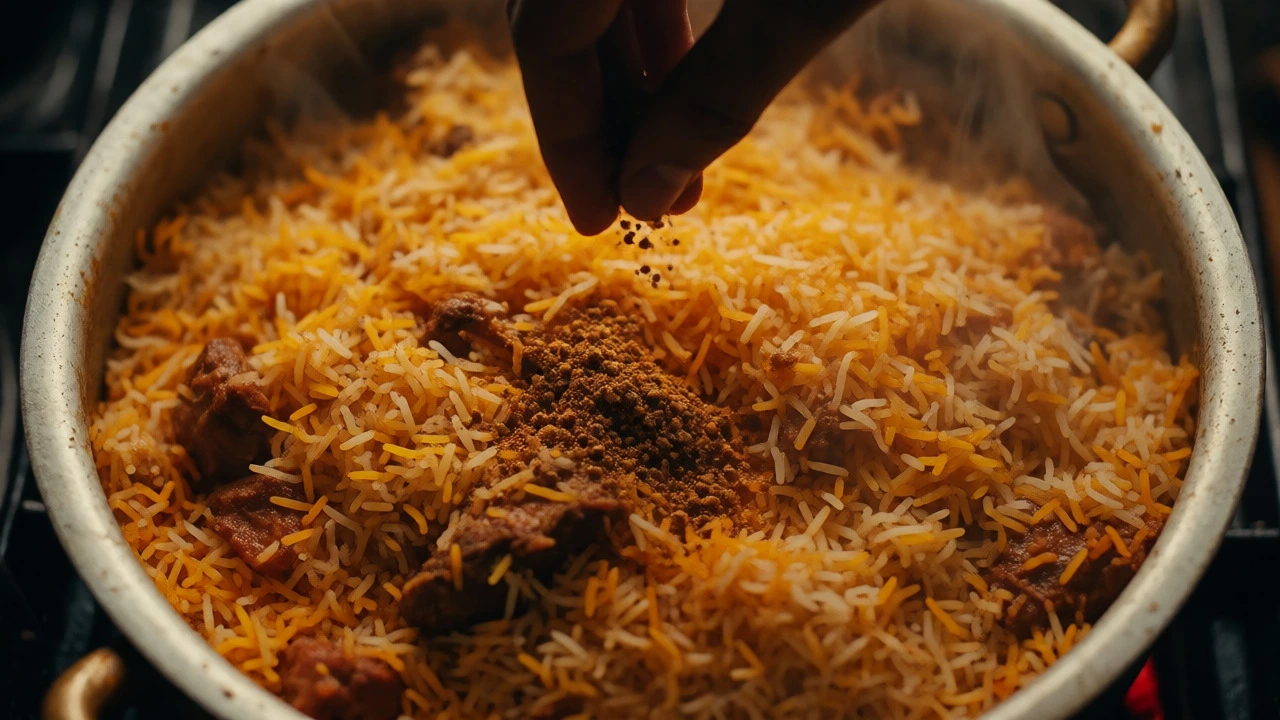
You mentioned biryani specifically. This dish is the ultimate test of spice knowledge. Biryani is layered and steamed (dum). The spices must survive long cooking times without turning bitter or losing potency. In a typical Hyderabadi biryani recipe, you do not dump garam masala into the boiling water or the initial frying stage. Instead, it is mixed into the yogurt marinade or sprinkled over the layers before sealing the pot. Why? Because the steam releases the essential oils slowly, permeating the rice grains. If you mistakenly add spices that are not suitable for long-steaming-like certain delicate herbs or pre-ground mixes with anti-caking agents-you’ll notice a chemical aftertaste. Freshly ground garam masala, free from fillers like flour or excessive salt, performs best. Fillers absorb moisture unevenly, leading to clumps of dry spice and salty patches in your rice.
How to Spot Fake or Low-Quality Garam Masala
Since you are avoiding incorrect spices, you also need to avoid incorrect quality. Here is how to audit your current jar:
- The Sniff Test: Open the jar. Do you smell immediate, sharp notes of clove and cinnamon? Or is it faint? Volatile oils evaporate quickly. If it smells stale, it’s useless for finishing.
- The Color Check: Authentic garam masala is brownish-grey. If it is bright yellow, it has too much turmeric. If it is bright red, it has too much chili. If it is pale beige, it’s diluted with starch.
- The Texture: Rub a pinch between your fingers. It should feel slightly oily due to natural essential oils. If it feels chalky or gritty, it likely contains fillers or was ground too finely and overheated.
- The Taste: Put a tiny bit on your tongue. It should tingle pleasantly (warmth). If it burns harshly, it’s chili-heavy. If it tastes flat, it’s old.
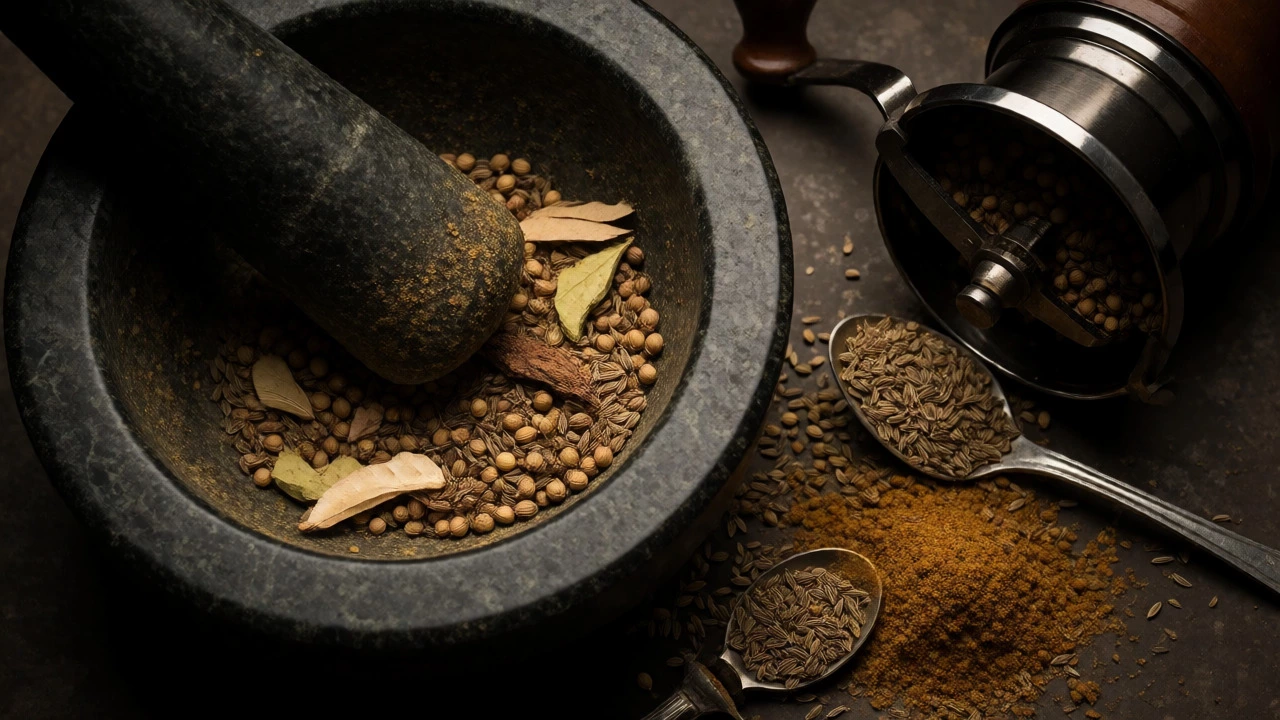
In Auckland, where I live, finding truly fresh, small-batch garam masala can be tricky. Many supermarkets stock large tubs that have been sitting under fluorescent lights for months. My tip? Buy whole spices and grind them yourself. A coffee grinder dedicated to spices works wonders. You can control exactly what goes in-and more importantly, what stays out.
DIY Blend: What to Leave Out
If you decide to make your own, here is a foolproof ratio for a versatile, restaurant-style garam masala. This mix avoids the common pitfalls discussed above.
- 2 tbsp Coriander seeds (roasted lightly)
- 1 tbsp Cumin seeds (roasted lightly)
- 1 tsp Black peppercorns
- 4-5 Cloves
- 2-inch Cinnamon stick (broken)
- 10-12 Green cardamom pods (seeds removed)
- 1/4 tsp Mace blades
- Pinch of Nutmeg (freshly grated)
- 1 Bay leaf (crumbled)
What is missing? No turmeric. No chili. No salt. No fenugreek (methi) unless you want a slight bitterness. No ajwain. This clean profile allows the spices to shine in your biryani without competing with the main protein or vegetables.
By understanding which spices are excluded, you gain control over your flavor profile. You stop guessing and start cooking with intention. Your next biryani won’t just be spicy; it will be aromatic, balanced, and deeply satisfying.
Is turmeric considered part of garam masala?
Traditionally, no. While some cheap commercial blends include turmeric for color and cost reduction, authentic garam masala excludes it. Turmeric is cooked early in the dish to remove its raw taste, whereas garam masala is added at the end for aroma. Including turmeric in the final sprinkle can result in a muddy color and metallic flavor.
Does garam masala contain chili powder?
Generally, no. Garam masala is defined by "warming" spices like cinnamon, cloves, and cardamom, not "hot" spices like chili peppers. Most traditional recipes rely on black pepper for heat. Commercial versions often add chili powder to mask low-quality spices or provide uniform heat, but purists exclude it to allow independent heat control.
Can I use garam masala in place of curry powder?
Not directly. Curry powder is a broad term that usually includes turmeric, coriander, cumin, and fenugreek, creating a yellow, savory base. Garam masala is darker, sweeter, and more aromatic. Using garam masala instead of curry powder will change the color and flavor profile significantly, making the dish browner and more perfumed rather than savory and tangy.
Why does my garam masala taste bitter?
Bitterness usually comes from burnt spices during roasting or grinding. If you roast whole spices until they are dark brown or black, the oils degrade and turn acrid. Additionally, including too much fenugreek (methi) or using old, oxidized spices can introduce bitterness. Always roast spices on low heat until just fragrant and lightly golden.
Is ajwain used in garam masala?
Ajwain (carom seeds) is rarely included in standard North Indian garam masala. It has a strong thyme-like flavor that dominates other aromatics. Ajwain is typically used as a standalone spice in breads (parathas) or fried snacks (pakoras). Adding it to garam masala can unbalance the delicate interplay of cinnamon and cardamom.