Luxury Mithai Value Estimator
Select a sweet and enter the weight (in kg) to estimate the total cost. Prices are estimates based on current market rates for high-quality artisanal versions.
Selected Item:
Kaju Katli
Key Ingredient: Pure Cashews
*Prices vary by brand, season, and location.
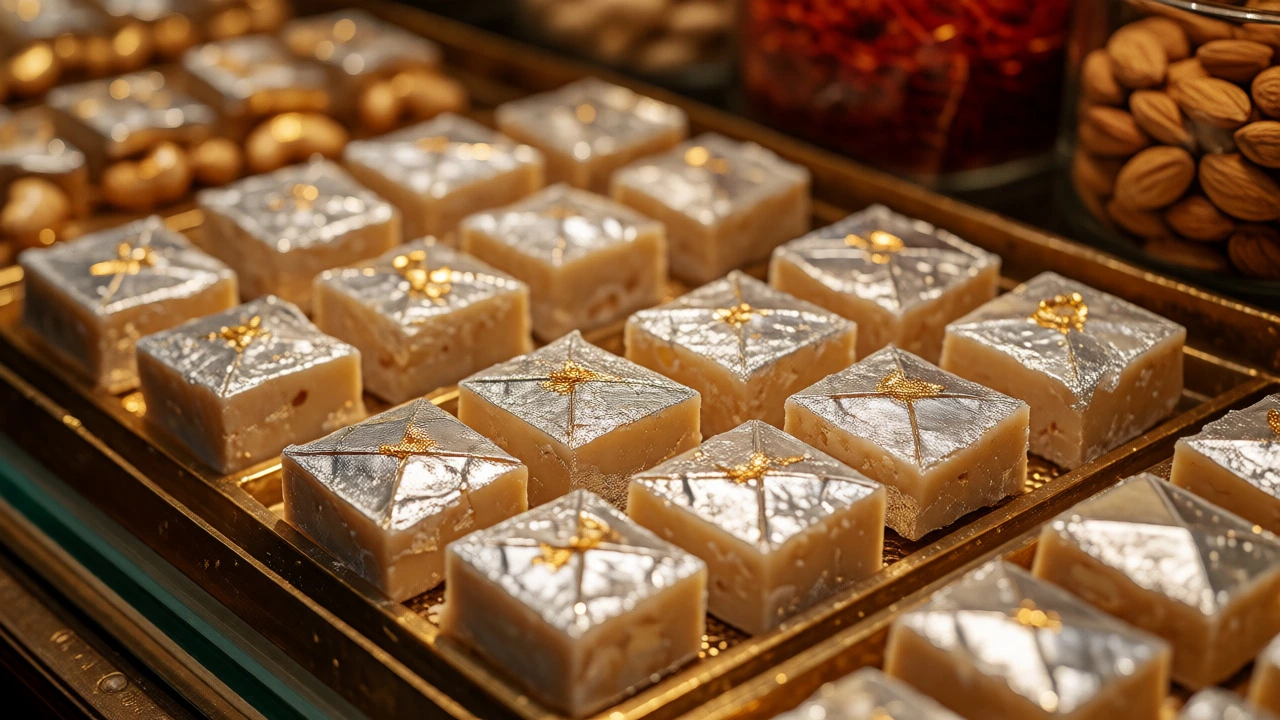
You walk into a high-end sweet shop in Mumbai or Delhi, and the display case looks less like a bakery and more like a jewelry store. You see gold-leafed cubes, intricate silver filigree work, and jars filled with nuts that cost more per kilo than your weekly grocery run. The question isn't just about taste; it's about value. When people ask, "Which is the most expensive Indian sweet?" they are usually hunting for the pinnacle of confectionery luxury. Is it the delicate Kaju Katli made from pure cashew paste? Or is it the rare, saffron-infused Mawa-based delicacies that require hours of slow-cooking milk?
The answer isn't a single fixed number because prices fluctuate based on ingredient scarcity, labor intensity, and brand prestige. However, we can break down the contenders. If you are looking to impress guests at a wedding or simply treat yourself to something extraordinary, understanding what drives the cost up is key. Let's look at the top tier of Indian sweets and why they command such high prices.
Why Are Some Indian Sweets So Expensive?
Before naming the winners, you need to understand the cost drivers. It’s not just sugar and flour. Three main factors push a sweet from ₹100 per kilo to ₹3,000+ per kilo:
- Ingredient Quality: Using pure desi cow ghee instead of vanaspati oil adds significant cost. Real Kashmiri saffron (Kesar) costs upwards of ₹300 per gram. Pure almonds and pistachios imported from California or Iran are far pricier than local varieties.
- Labor Intensity: Traditional sweets like Makhan Malai or handcrafted Mysore Pak require skilled artisans who spend days preparing them. Automation lowers quality; hand-crafting raises the price.
- Packaging and Presentation: Edible gold leaf (Varak), intricate silver foil designs, and premium gift boxes add a markup that has nothing to do with taste but everything to do with gifting culture.
When you combine these elements, you get sweets that are essentially edible art pieces. The market for these luxury items has grown, especially during festival seasons like Diwali and Eid, where presentation matters as much as flavor.
The Top Contenders for the Most Expensive Indian Sweet
While many sweets are delicious, only a few consistently hit the highest price points. Here are the usual suspects found in the luxury segment.
Kaju Katli: The Cashew King
Kaju Katli is arguably the most famous luxury sweet across India. Made primarily from ground cashews and sugar syrup, its price depends entirely on the purity of the cashew paste. Authentic Kaju Katli uses no flour or maida fillers. High-end brands charge between ₹1,500 and ₹4,000 per kilogram depending on the source of the cashews. If you buy it online from a boutique brand, you might pay even more for the packaging and shipping. It is dense, rich, and melts in your mouth, which is exactly why it’s so popular at weddings.
Saffron Laddoo (Kesar Mawa Laddoo)
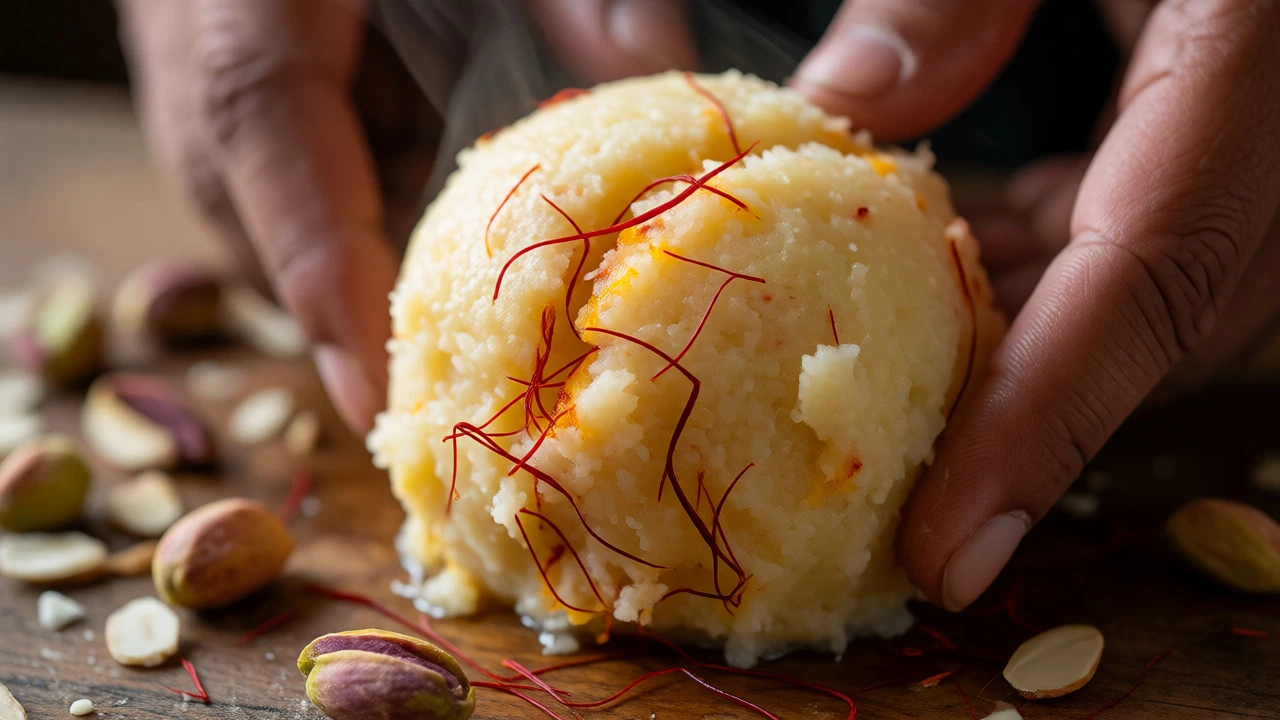
If Kaju Katli is king, Saffron Laddoo is the queen. This sweet relies heavily on two expensive ingredients: Saffron and Khoya (dried evaporated milk). To make one laddoo truly flavorful, artisans use real saffron strands, not powder. The khoya must be made from full-fat buffalo or cow milk, reduced slowly over hours. Because saffron is the world's most expensive spice by weight, even a small amount significantly raises the cost. Expect to pay ₹2,000 to ₹5,000 per kg for genuine saffron laddoos. Be careful of fakes; if it smells like artificial coloring rather than earthy hay, it’s not worth the price.
Mysore Pak with Ghee and Jaggery
Originating from Mysore, this sweet is a sponge-like confection made from gram flour, sugar, and generous amounts of ghee. The "expensive" version uses pure desi cow ghee and organic jaggery instead of refined white sugar. The texture should be porous and crumbly, not hard or chewy. Artisanal makers who use traditional stone-ground gram flour and hand-poured ghee often sell this at a premium. Prices range from ₹800 to ₹2,500 per kg. The cost here reflects the sheer volume of ghee used-some recipes call for equal parts ghee and flour.
Gold-Plated Specialties
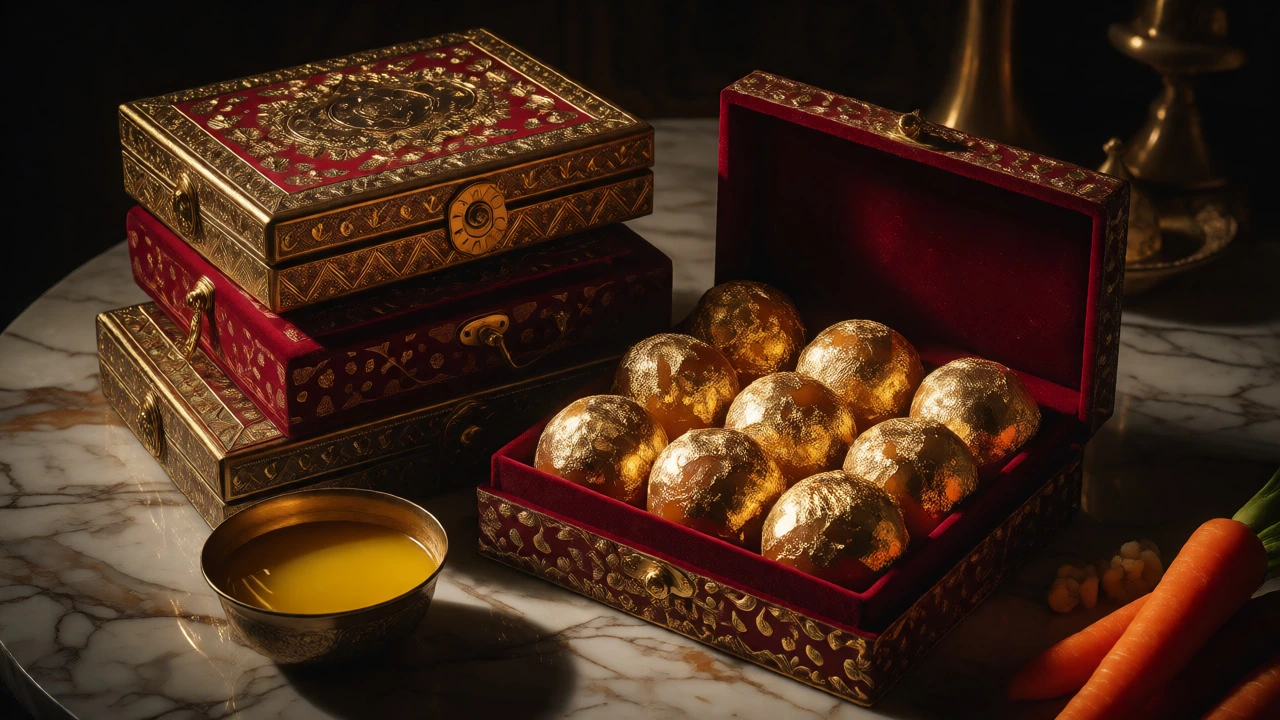
Some shops offer standard sweets like Gulab Jamun or Rasgulla coated in edible gold leaf. While the base sweet might cost ₹300 per kg, the addition of food-grade gold and premium packaging can triple the price. These are rarely bought for daily consumption; they are status symbols meant for gifting. A box of six gold-plated Rasgullas can easily cost ₹1,500.
Comparing the Luxury Sweets
To help you decide which sweet fits your budget and occasion, here is a breakdown of the typical market rates for authentic, high-quality versions as of late 2026.
| Sweet Name | Main Ingredients | Average Price Range (INR) | Best For |
|---|---|---|---|
| Kaju Katli | Cashews, Sugar, Cardamom | ₹1,500 - ₹4,000 | Weddings, Corporate Gifts |
| Saffron Laddoo | Khoya, Saffron, Ghee, Nuts | ₹2,000 - ₹5,000 | Festivals, Health-conscious gifts |
| Premium Mysore Pak | Gram Flour, Pure Ghee, Jaggery | ₹800 - ₹2,500 | Traditional gatherings |
| Dry Fruit Barfi | Almonds, Pistachios, Dates, Honey | ₹1,200 - ₹3,500 | Healthier alternatives |
| Gold-Plated Rasgulla | Chhana, Syrup, Edible Gold | ₹1,000 - ₹3,000* | Luxury gifting |
*Note: Gold-plated items are often sold by piece or in small boxes, making the per-kilo calculation tricky, but the unit cost remains high due to the gold leaf.
How to Spot Fake Luxury Sweets
High demand means high fraud. Many shops cut corners to keep prices low while claiming luxury status. Here is how you can protect your wallet:
- Check the Color: Real saffron gives a pale yellow hue, not neon orange. If your Laddoo looks like highlighter ink, it’s dyed.
- Taste Test for Ghee: Pure ghee leaves a distinct aftertaste and doesn’t feel greasy or waxy in the mouth. Vanaspati (hydrogenated vegetable oil) feels heavier and coats the tongue unpleasantly.
- Examine the Texture: Authentic Kaju Katli should have slight imperfections if handmade. Perfectly uniform squares often indicate machine production with additives. Also, check for a "crunch" when biting into dry fruit sweets; stale nuts are cheap.
- Ask for Ingredient Lists: Reputable brands will list "Pure Cow Ghee" or "Kashmiri Saffron." Vague terms like "Vegetable Oil" or "Natural Colors" are red flags.
Where to Buy the Best Expensive Sweets
If you are in India, cities like Varanasi, Kolkata, and Jaipur are famous for specific regional specialties. In Varanasi, Makhan Malai is a winter-only wonder that commands high prices due to its ephemeral nature. In Kolkata, Rosogolla made with fresh chhana and pure ghee is prized. For those outside India, sourcing becomes harder. Look for stores that specialize in North Indian cuisine and import their own dry goods. Brands like Haldiram’s offer consistency, but boutique online sellers often provide higher quality ingredients at a steeper price.
In New Zealand, where I live, finding authentic high-end Indian sweets requires patience. We rely on specialty Indian grocers in Auckland who bring in seasonal batches. Always check the manufacturing date; freshness is critical for dairy-based sweets like Mawa. If it’s been sitting on the shelf for a month, the ghee may have turned rancid, ruining the experience regardless of the price tag.
Is It Worth the Hype?
So, is the most expensive Indian sweet actually better? Taste is subjective, but there is a tangible difference between mass-produced sweets and artisanal ones. The depth of flavor in a slow-cooked Khoya Laddoo cannot be replicated by mixing powdered milk and oil. The aroma of real saffron fills the room in a way synthetic extracts never can.
However, don’t overspend on packaging. Often, you are paying for the box, not the bite. If you are buying for personal enjoyment, skip the gold leaf and invest in the best Kaju Katli or Saffron Laddoo you can afford. If you are gifting, the visual appeal of gold plating or intricate silver work adds social value that justifies the extra cost.
Ultimately, the "most expensive" sweet varies by region and season. But generally, anything heavy on pure ghee, real nuts, and exotic spices like saffron will top the charts. Keep an eye out for seasonal specials too; winter brings Gajar ka Halwa made with premium carrots and aged ghee, which can rival Kaju Katli in price and prestige.
What is the single most expensive Indian sweet?
There is no single permanent winner, but Saffron Laddoo and high-purity Kaju Katli typically hold the title for the highest per-kilogram price. Rare seasonal items like Makhan Malai in Varanasi can also command extreme premiums due to limited availability.
Why is saffron so expensive in Indian sweets?
Saffron is harvested by hand from the Crocus sativus flower. It takes approximately 150,000 flowers to produce just one kilogram of dried saffron threads. This labor-intensive process makes it the world's most expensive spice, significantly driving up the cost of any sweet that uses real saffron strands.
Are expensive Indian sweets healthier?
Not necessarily. They are often made with higher quality fats like pure ghee and natural sugars like jaggery, which are considered better than hydrogenated oils and refined sugar. However, they are still calorie-dense desserts. Dry fruit-based sweets without added sugar are generally the healthiest luxury options.
Can I find these sweets outside India?
Yes, but authenticity varies. Major international brands export standardized versions. For true artisanal quality, look for specialized Indian grocery stores that import directly from India or have local kitchens using imported raw materials. Online retailers specializing in gourmet Indian foods are also a good source.
How long do luxury Indian sweets last?
Sweets made with pure ghee and khoya have a shorter shelf life, typically 7 to 15 days at room temperature and up to a month refrigerated. Dry fruit sweets and Kaju Katli last longer, around 3 to 6 months if stored in airtight containers away from moisture. Always check the manufacturer's expiry date.