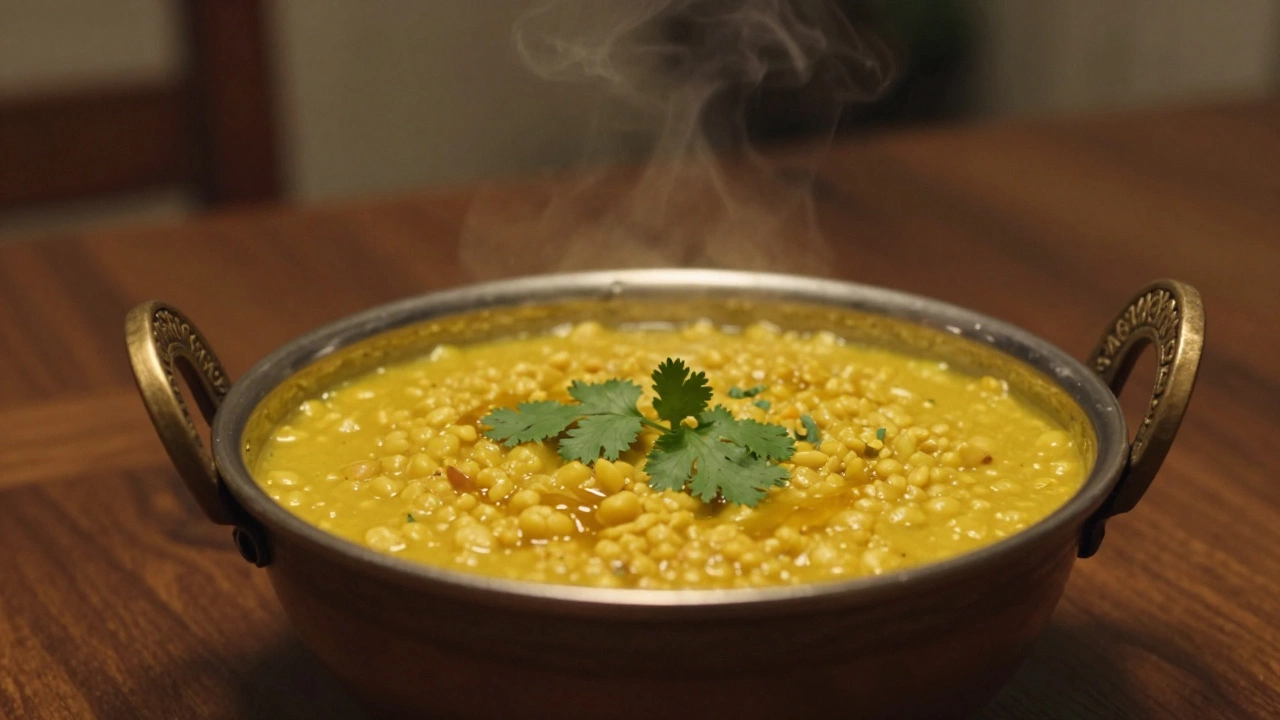
Nighttime Dal Suitability Checker
Click on a lentil from the list to see its nighttime suitability score.
It is 8 PM. You are hungry, but you do not want a heavy meal that sits in your stomach all night. You want something warm, comforting, and easy to digest. In Indian households, the answer is almost always dal. But not every lentil works well for dinner. Some are too heavy, too spicy, or take hours to cook. The right choice can mean the difference between a restless sleep and a deep, restorative rest.
Choosing the right dal for night isn't just about taste; it is about how your body processes protein and fiber after sunset. Digestion slows down when we sleep. If you eat something hard to break down, your body stays awake working on digestion instead of repairing itself. This leads to bloating, acid reflux, and poor sleep quality. The goal is to find a lentil that is light on the gut, rich in nutrients, and quick to prepare so you aren't stuck in the kitchen late.
The Golden Rule: Why Moong Dal Wins Every Time
If you only pick one lentil for your evening meals, make it Moong Dal (yellow split mung beans). It is widely considered the easiest lentil to digest in Ayurveda and modern nutrition alike. Unlike larger beans like kidney beans or even red lentils, yellow moong dal has a thin skin and breaks down quickly in the stomach.
Here is why it stands out:
- Fast Digestion: It does not cause gas or bloating, which are common culprits for nighttime discomfort.
- High Protein, Low Fat: It provides essential amino acids without the heaviness of fatty meats or cream-based curries.
- Quick Cooking: It cooks in 15-20 minutes, perfect for a rushed evening.
- Soothing Properties: In traditional medicine, it is believed to cool the body, making it ideal for hot nights or stress relief.
A simple bowl of yellow moong dal with a pinch of cumin and ginger is the ultimate comfort food. It feels like a hug from the inside. You can eat it plain with a little rice or alongside a soft roti. It satisfies hunger without weighing you down.
Other Good Options for Evening Meals
While moong dal is the champion, variety is important. Here are two other lentils that work well for dinner, provided you prepare them correctly.
Masoor Dal (Red Lentils)
Masoor Dal (red lentils) is another excellent choice. Like moong, it has no skin and cooks very fast. It is slightly higher in iron, which can be helpful if you feel fatigued during the day. However, some people find masoor dal slightly heavier than moong. To keep it light, avoid frying too many spices (tadka) in oil. Instead, sauté the spices in a teaspoon of ghee or olive oil. A mild masoor dal soup is refreshing and hydrating.
Toor Dal (Pigeon Peas)
Toor Dal is a staple in many Indian homes. It has a creamy texture and a mild flavor. While it takes longer to cook than moong or masoor, it is still relatively easy to digest if you soak it for 30 minutes before cooking. Toor dal is rich in folate and potassium. For dinner, keep the spice level low. Avoid adding coconut milk or heavy cream, which can slow digestion. A simple toor dal with turmeric and garlic is nutritious and gentle.
Lentils to Avoid Before Bed
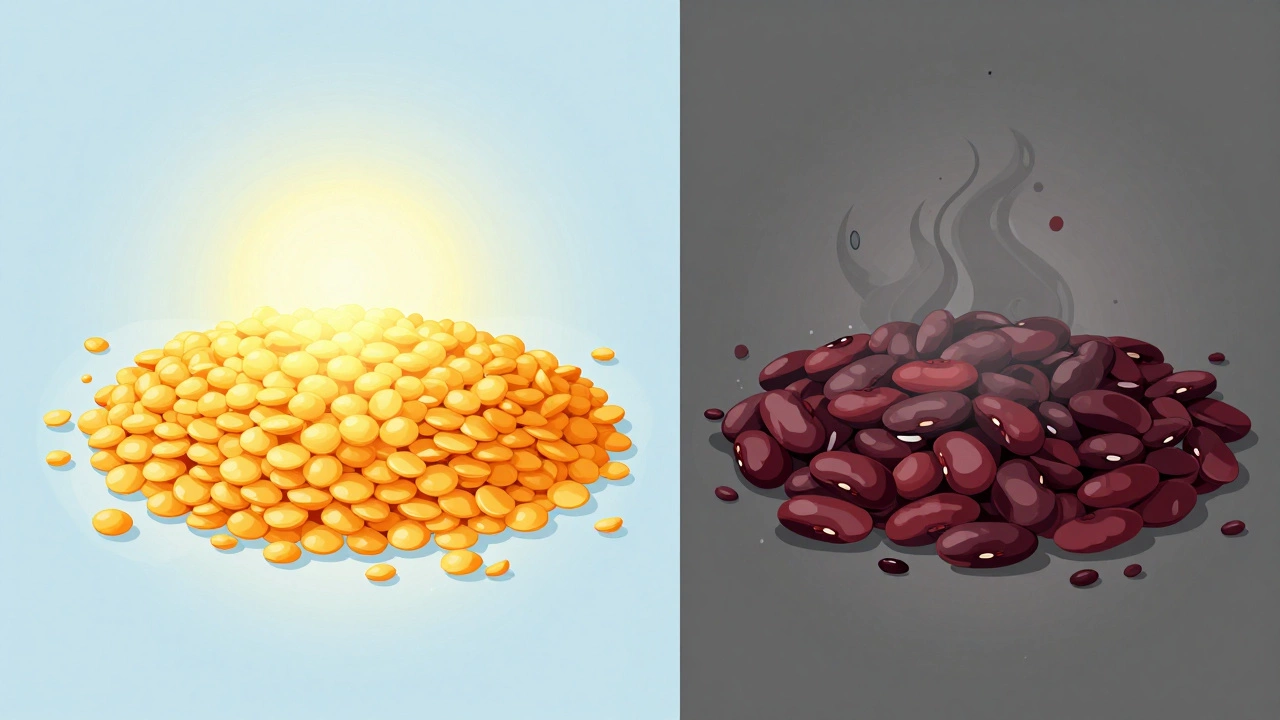
Not all dals are created equal when it comes to nighttime eating. Some lentils are dense, high in complex fibers, and known to produce gas. Eating these close to bedtime can lead to discomfort and disrupted sleep.
| Lentil Type | Digestibility | Cooking Time | Verdict for Dinner |
|---|---|---|---|
| Yellow Moong Dal | Very High | 15-20 mins | Best Choice |
| Red Masoor Dal | High | 15-20 mins | Good Choice |
| Toor Dal | Medium-High | 25-30 mins | Okay (if soaked) |
| Chana Dal (Bengal Gram) | Low-Medium | 40+ mins | Avoid at Night |
| Kidney Beans (Rajma) | Low | 60+ mins | Avoid at Night |
| Black Urad Dal | Low | 45+ mins | Avoid at Night |
Chana Dal and Urad Dal are fantastic for lunch because they provide sustained energy throughout the afternoon. But at night, their high fiber content and tough skins can cause fermentation in the gut, leading to gas and bloating. Similarly, whole black gram or kidney beans are too dense. Save these for your earlier meals.
Simple Recipe: Easy Yellow Moong Dal for Dinner
You do not need a complicated recipe to enjoy a healthy dinner. This version focuses on simplicity and speed. It serves two people and takes less than 20 minutes.
- Ingredients: 1 cup yellow moong dal, 2 cups water, 1 tsp ghee, 1/2 tsp cumin seeds, 1 small onion (finely chopped), 1 small tomato (chopped), 1/2 tsp turmeric powder, salt to taste, fresh coriander leaves.
- Clean and Cook: Rinse the dal until the water runs clear. Add it to a pot with 2 cups of water, turmeric, and a pinch of salt. Bring to a boil, then simmer covered for 15 minutes until the dal is soft and mushy. Mash lightly with a spoon.
- Prepare the Tadka: In a small pan, heat the ghee. Add cumin seeds and let them splutter. Add the chopped onion and sauté until translucent (do not brown it, as raw onions can cause acidity). Add the tomato and cook until it turns soft.
- Combine: Pour the tadka over the cooked dal. Stir well. Simmer for 2 more minutes to blend the flavors.
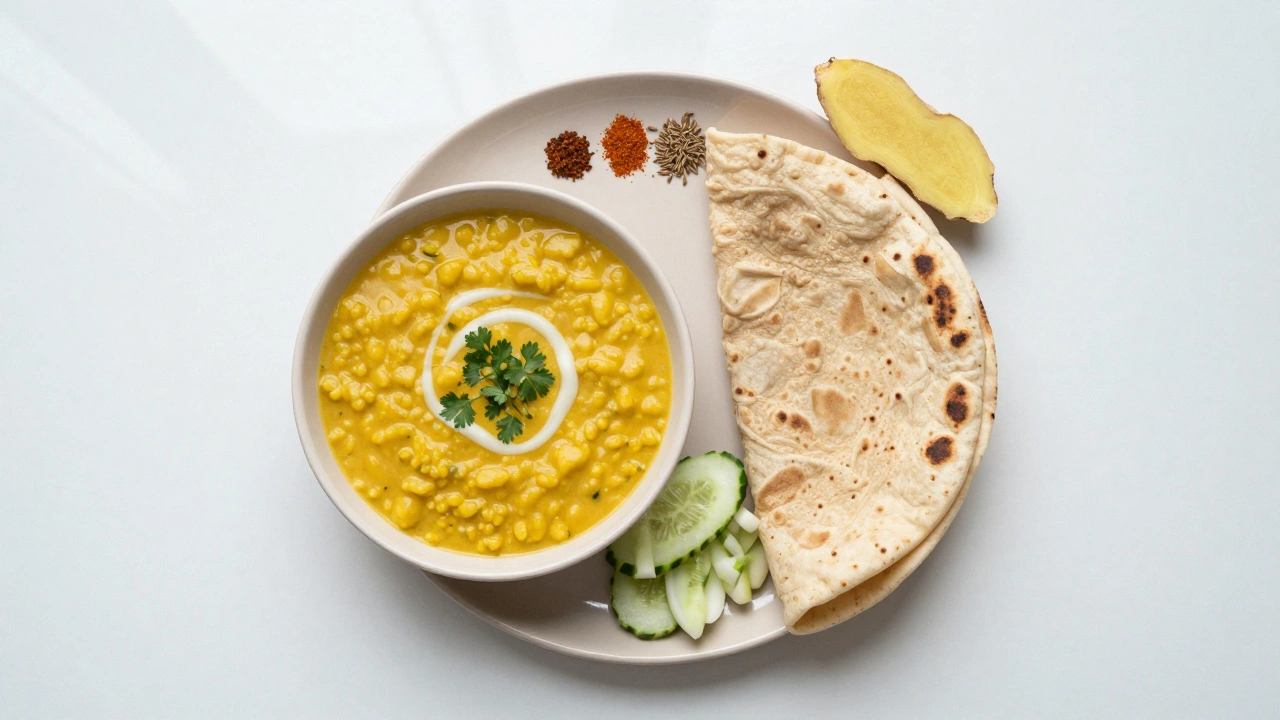
- Serve: Garnish with fresh coriander. Serve warm with steamed rice or a single phulkah (roti).
This recipe avoids heavy spices like chili powder or garam masala, which can trigger heartburn. The focus is on the natural sweetness of the lentil and the aroma of cumin.
Tips for Better Digestion at Night
Even the best dal can cause issues if eaten incorrectly. Follow these simple habits to ensure your dinner aids sleep rather than hindering it.
- Eat Early: Try to finish your meal at least 2-3 hours before bed. This gives your body time to digest the food while you are still upright and active.
- Keep Portions Small: A large bowl of dal, even if light, can overwhelm your system. Stick to a moderate portion size. Your hand is a good measuring tool: a fist-sized portion of dal and rice is usually sufficient.
- Add Digestive Spices: Ginger, cumin, and asafoetida (hing) are natural digestive aids. Adding a pinch of hing to the tadka can significantly reduce gas formation.
- Avoid Cold Drinks: Do not wash down your hot dal with ice-cold water or yogurt immediately. This can shock the digestive fire. Wait 30 minutes after eating before drinking anything cold.
- Walk After Eating: A gentle 10-minute walk after dinner helps stimulate digestion and prevents sluggishness.
Why Not Skip Dal Entirely?
Some people think skipping dinner is the best way to stay light. However, going to bed hungry can raise cortisol levels and disrupt sleep. Protein from dal helps regulate blood sugar levels overnight, preventing midnight cravings. Plus, lentils contain tryptophan, an amino acid that helps produce serotonin and melatonin, the hormones that regulate sleep. So, eating the right dal might actually help you fall asleep faster.
Frequently Asked Questions
Can I eat dal every night?
Yes, you can eat dal every night if you choose light varieties like moong or masoor dal. Variety is key, so rotate between different types to get a broad range of nutrients. Just ensure the preparation is simple and not overly oily.
Is chana dal bad for dinner?
Chana dal is not "bad," but it is harder to digest than moong or masoor dal. It contains more complex fibers that can cause gas and bloating if eaten late at night. It is better suited for lunch when your metabolism is more active.
What should I pair with dal for dinner?
Pair dal with steamed rice or a single soft roti. Avoid heavy sides like fried papad or creamy raita. A small side of cucumber salad or steamed vegetables can add freshness without adding weight to your meal.
Does dal help with weight loss?
Yes, dal is high in protein and fiber, which keeps you full for longer and reduces overall calorie intake. Eating a light dal dinner can support weight loss goals by preventing late-night snacking and stabilizing blood sugar levels.
How long before bed should I eat dal?
Ideally, you should finish your dal meal at least 2 to 3 hours before going to sleep. This allows your body enough time to digest the food properly, reducing the risk of acid reflux and ensuring better sleep quality.
Can I add ghee to my night dal?
You can add a small amount of ghee (1 teaspoon) to your dal. Ghee is considered easily digestible in Ayurveda and can aid absorption of nutrients. However, avoid excessive amounts of oil or butter, as fats slow down gastric emptying.
Is sprouted moong dal better for dinner?
Sprouted moong dal is highly nutritious and easier to digest than regular dal. However, for a hot, comforting dinner, cooked yellow moong dal is often preferred due to its soothing nature. Sprouts are great for salads or light snacks but may not provide the same warmth as a cooked stew.
Why do I feel bloated after eating dal?
Bloating after eating dal is usually caused by the fiber content or inadequate cooking. Ensure you rinse the dal thoroughly and cook it until it is completely soft. Adding digestive spices like cumin, ginger, and asafoetida can also help reduce gas production.