Dal Digestibility Analyzer
Select a dal to view its properties:
Select a lentil from the left to see analysis.
Ever eaten a bowl of comforting Dal, which is a staple lentil dish in Indian cuisine made from various types of legumes only to feel bloated and sluggish an hour later? You are not alone. While lentils are packed with protein and fiber, not all of them sit well in your stomach. Some varieties are notoriously heavy, causing gas and indigestion, especially if you have a sensitive gut or are recovering from illness.
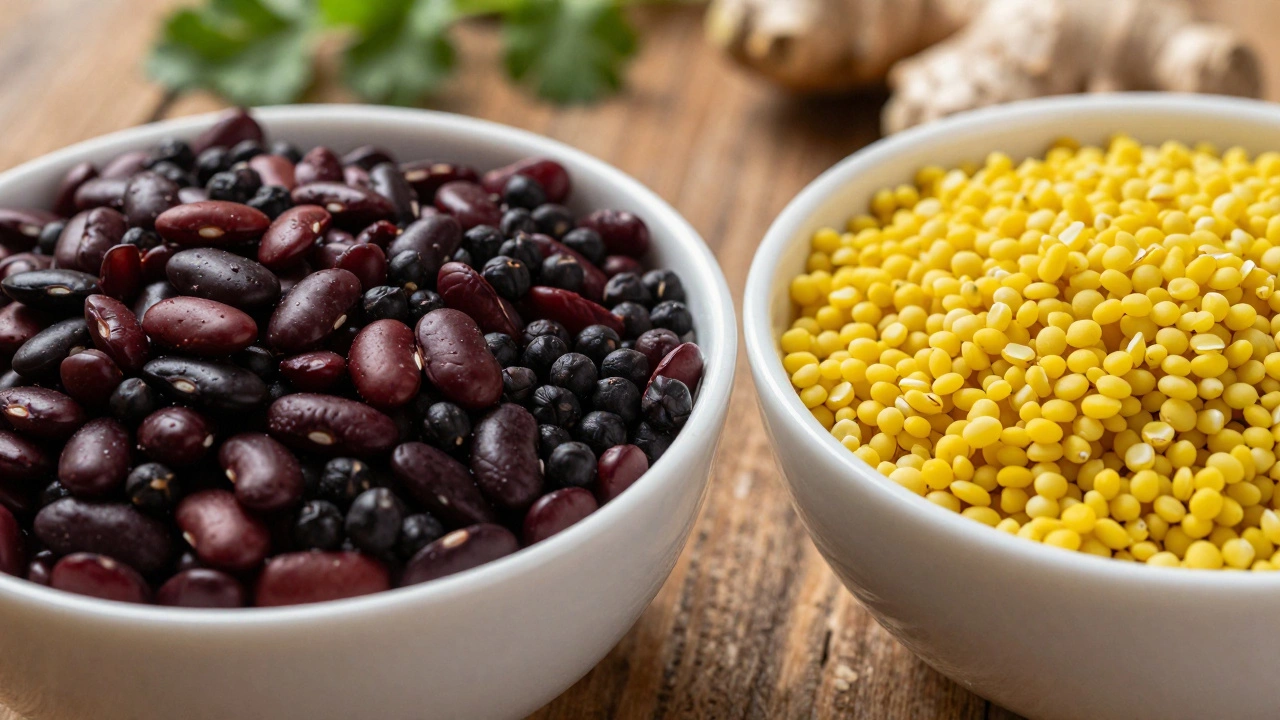
The short answer is that red kidney beans (Rajma) and black chickpeas (Kala Chana) are the heaviest to digest. On the flip side, green gram (Moong Dal) is the lightest and easiest for your body to break down. Understanding these differences can help you choose the right lentil for your energy levels, digestive health, and specific dietary needs.
Why Do Some Lentils Cause Bloating?
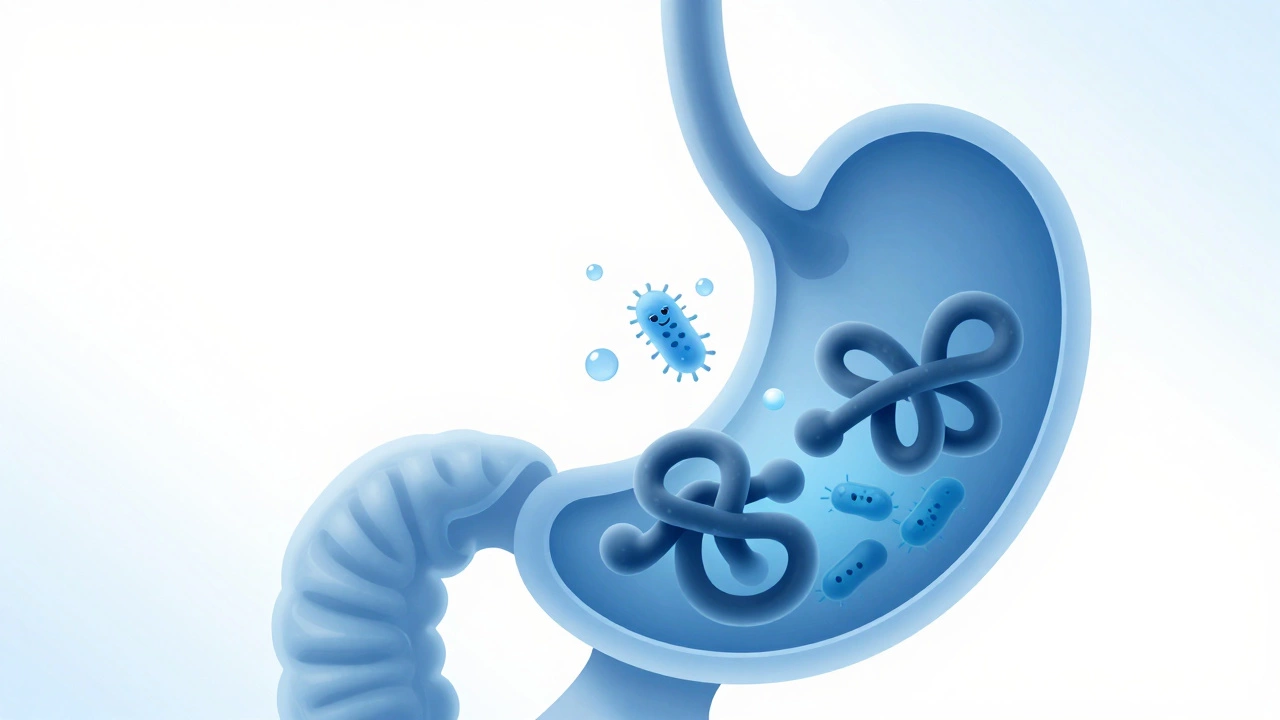
Before we dive into which dals are heavy, it helps to understand why they cause trouble in the first place. Lentils contain compounds called Oligosaccharides, specifically raffinose and stachyose. These are complex sugars that human enzymes cannot break down in the small intestine. When they reach the large intestine, bacteria ferment them, producing gas as a byproduct.
Additionally, the protein structure varies significantly between different types of pulses. Harder, denser lentils require more gastric acid and longer cooking times to soften their cellular walls. If they aren't cooked thoroughly or soaked properly, your digestive system has to work overtime to extract nutrients, leading to discomfort. This is why soaking and pressure cooking are non-negotiable steps for heavier dals.
The Heavy Hitters: Lentils That Are Hard to Digest
If you are looking to avoid bloating, steer clear of these varieties when your stomach is sensitive:
- Rajma (Kidney Beans): These are dense and high in resistant starch. They take hours to cook and are known to cause significant gas if not prepared correctly. They also contain lectins, which must be neutralized by thorough boiling.
- Kala Chana (Black Chickpeas): Unlike regular yellow chickpeas, black chickpeas have a tough outer skin that is difficult for the gut to penetrate. They are excellent for long-term satiety but poor for quick, easy digestion.
- Urad Dal (Black Gram): Whole urad dal is very heavy. It is often used in vadas and dosas, which are fermented, making them easier to eat. However, eating plain boiled whole urad dal can lead to severe indigestion for many people.
- Lobia (Blue Gram): Similar to rajma, lobia is a large bean that requires extensive soaking and cooking. It is nutrient-dense but physically demanding on the digestive tract.
The Lightest Options: Easy-to-Digest Dals
When you need something gentle on your stomach, turn to these lighter varieties. They are often recommended during illness, pregnancy, or for elderly family members.
- Moong Dal (Green Gram): This is the gold standard for easy digestion. Whether split yellow moong or whole green moong, this lentil breaks down quickly. Ayurvedic tradition considers it cooling and balancing for all body types.
- Masoor Dal (Red Lentil): Masoor dal cooks in minutes and does not require soaking. Its soft texture makes it one of the most accessible options for those with weak digestion.
- Toor Dal (Pigeon Pea): While slightly heavier than moong, toor dal is still considered relatively light, especially when cooked until mushy. It is a staple in South Indian khichdi and North Indian tadka dal.
Comparison: Heavy vs. Light Lentils
| Lentil Type | Digestibility Level | Cooking Time (approx.) | Best For |
|---|---|---|---|
| Moong Dal | Very High | 10-15 mins | Illness, babies, elderly |
| Masoor Dal | High | 15-20 mins | Quick meals, sensitive stomachs |
| Toor Dal | Medium-High | 20-30 mins | Daily family meals |
| Chana Dal | Medium | 30-40 mins | General nutrition |
| Urad Dal | Low | 45+ mins | Fermented dishes (idli/dosa) |
| Rajma/Kala Chana | Very Low | 60+ mins | Strength building, healthy guts |
How to Make Heavy Dals Easier to Digest
You don't have to give up your favorite heavy dals entirely. With a few preparation tweaks, you can significantly reduce their impact on your digestion.
Soaking is essential. Soak hard lentils like rajma and chana for at least 8-12 hours. This softens the outer hull and begins the breakdown of complex sugars. Discard the soaking water before cooking, as it contains many of the gas-producing compounds.
Use spices wisely. Certain spices aid digestion by stimulating enzyme production. Add cumin seeds, asafoetida (hing), ginger, and black pepper to your dal. Asafoetida, in particular, is renowned in Indian kitchens for its anti-flatulent properties. A pinch goes a long way in preventing bloating.
Cook until tender. Undercooked lentils are harder to digest. Ensure they are completely soft and mushy. Using a pressure cooker helps achieve this texture efficiently while retaining nutrients.
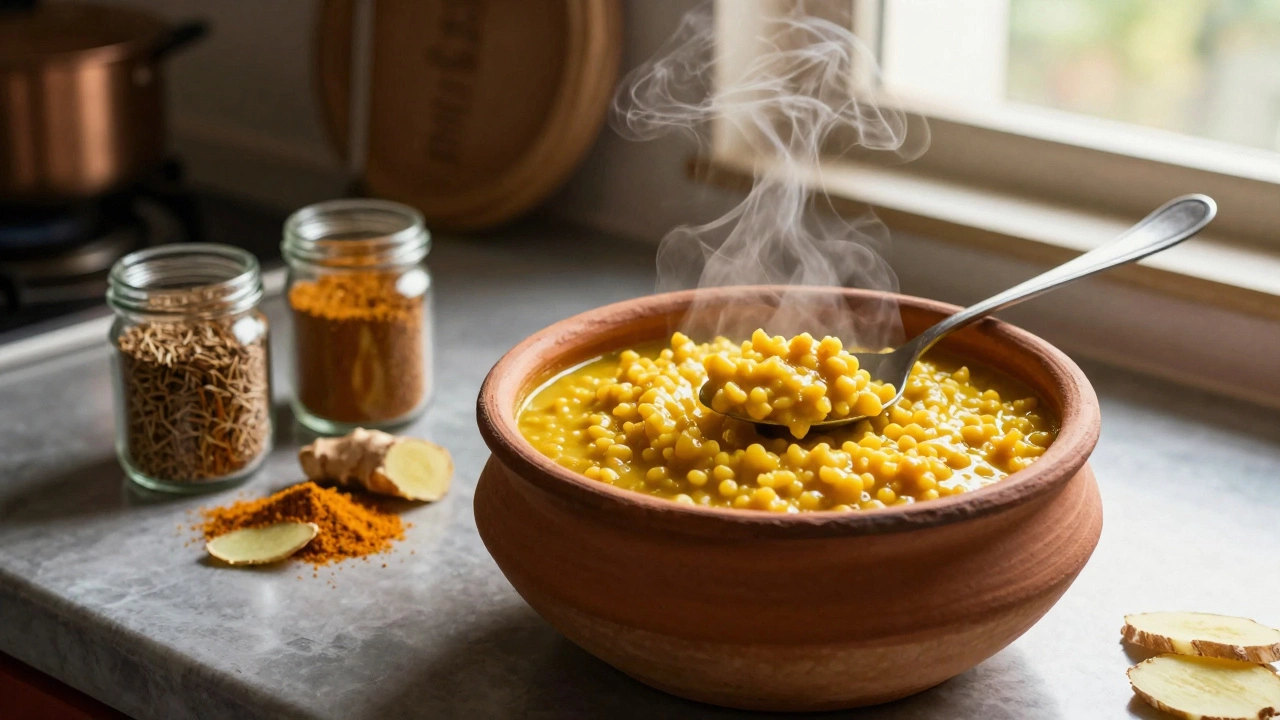
Simple Recipe: Gentle Moong Dal Khichdi
When your stomach is upset, or you just want a light meal, this simple recipe is perfect. It combines rice and moong dal for a balanced, easy-to-digest dish.
Ingredients:
- 1 cup white basmati rice
- 1/2 cup yellow moong dal (split, without skin)
- 3 cups water (adjust for consistency)
- 1 tsp ghee
- 1/2 tsp cumin seeds
- 1 inch ginger, grated
- Salt to taste
- Pinch of asafoetida (optional)
Instructions:
- Rinse the rice and moong dal together until the water runs clear.
- In a pot, combine the rinsed grains, water, salt, and asafoetida.
- Bring to a boil, then reduce heat to low. Cover and simmer for 20-25 minutes until both rice and dal are very soft and creamy.
- In a small pan, heat ghee and add cumin seeds. Let them splutter, then add grated ginger and sauté for 30 seconds.
- Pour this tempering over the cooked khichdi and stir well.
- Serve warm with a dollop of yogurt if tolerated.
Who Should Avoid Heavy Dals?
Certain groups should be cautious with heavy lentils like rajma and urad dal:
- People with IBS: Irritable Bowel Syndrome sufferers often react poorly to high-FODMAP foods, including certain beans and lentils.
- Elderly individuals: Digestive efficiency decreases with age, making softer, lighter dals preferable.
- Those recovering from surgery or illness: The body needs easily accessible nutrients without the burden of breaking down tough fibers.
- Babies starting solids: Moong dal is typically the first lentil introduced due to its mild nature.
Is Rajma bad for digestion?
Rajma is not "bad," but it is heavy. It contains high levels of oligosaccharides and resistant starch, which can cause significant bloating and gas if not soaked and cooked thoroughly. People with sensitive stomachs may find it difficult to digest compared to lighter dals like moong or masoor.
Which dal is best for weight loss?
While all dals are nutritious, Moong Dal and Masoor Dal are often recommended for weight loss because they are lower in calories and easier to digest, allowing for better nutrient absorption without heavy digestive strain. Their high fiber content also promotes satiety.
Can I eat Urad Dal every day?
Whole Urad Dal is quite heavy and may cause indigestion if eaten daily by everyone. However, split Urad Dal (white) is lighter. Fermented forms like idli and dosa batter are much easier to digest and can be part of a regular diet for most people.
Does soaking dal reduce gas?
Yes, soaking dal for several hours helps leach out some of the gas-causing oligosaccharides into the water. Discarding this water before cooking significantly reduces the potential for bloating and flatulence.
What spices help digest lentils?
Cumin, asafoetida (hing), ginger, fennel, and black pepper are excellent digestive aids. Adding these spices during cooking stimulates enzyme production and soothes the gastrointestinal tract, making heavy dals easier to process.