Mild Indian Food Menu Planner
North Indian Comforts
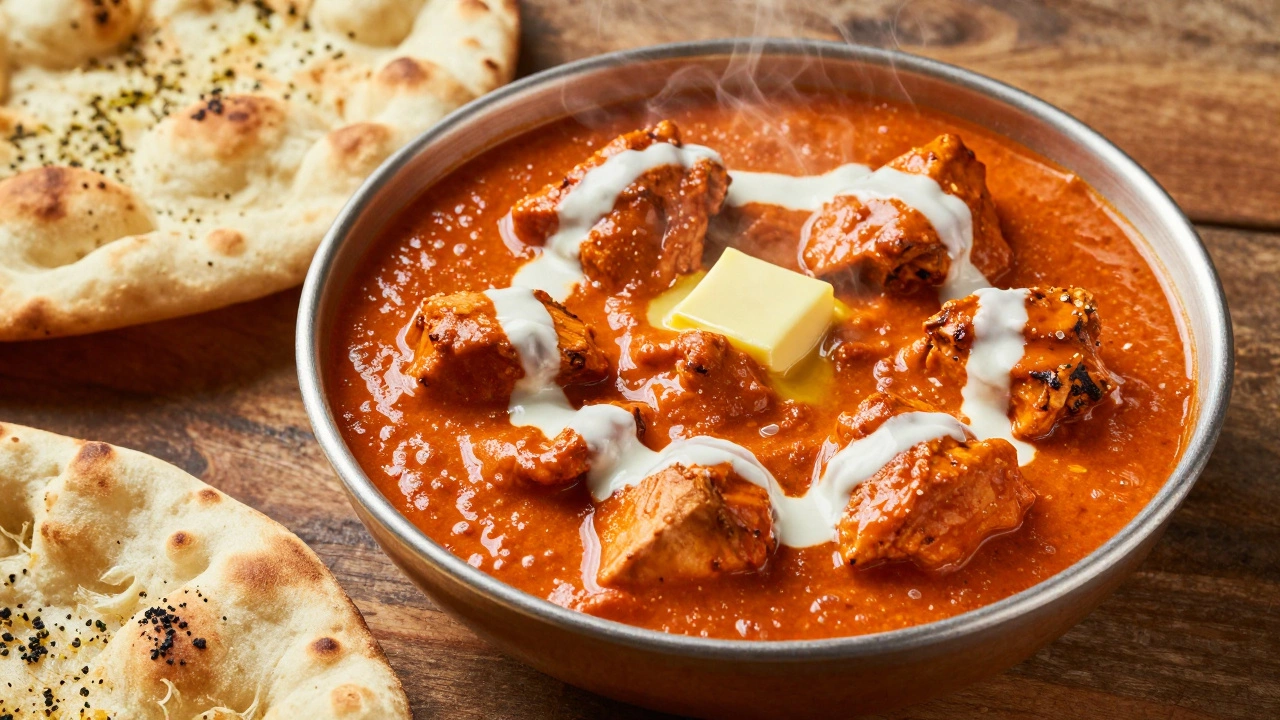
Creamy tomato sauce, tender chicken, rich butter.
Vegetarian cottage cheese in buttery gravy.
Tangy yogurt gravy with chickpea fritters.
Soft leavened bread, perfect for dipping.
South Indian Steamed & Sweet
Steamed rice cakes, soft and spongy.
Rice pancake bowl with coconut milk stew.
Crispy crepe with melted cheese filling.
Fresh, cooling dip (avoid red chili chutney).
Safe Street Snacks
Crunchy shell filled with sweet tamarind water.
Spiral fried pastry soaked in sugar syrup.
Your Mild Meal
Order Confirmation & Tips
Chef Instructions:
India is famous for its bold flavors and fiery curries, but that reputation often scares off travelers who prefer milder tastes. The truth is, Indian cuisine is incredibly diverse, with entire regions dedicated to subtle, aromatic, and sweet dishes that barely register on the heat scale. You don't have to brave a chili-laden vindaloo to enjoy authentic Indian food. In fact, some of the most beloved dishes in India are known for their gentle warmth and rich textures rather than their spice kick.
If you're planning a trip or just want to explore mild Indian food at home, this guide will help you navigate the menu with confidence. We’ll cover regional specialties, safe street food bets, and easy recipes you can make yourself. By understanding which ingredients create heat and which ones add flavor without the burn, you can unlock a whole new world of delicious, approachable meals.
Before we dive into specific dishes, it helps to know why some Indian food is hot and some isn’t. The heat usually comes from green chilies, red chili powder, or black pepper. However, many dishes rely on spices like cumin, coriander, turmeric, cardamom, and cinnamon for aroma and depth, not heat. These spices are warm and earthy but won’t make your mouth tingle. Knowing this difference is key to ordering wisely.
The North Indian Comfort Zone
North India offers some of the mildest and most comforting foods in the country. This region, which includes Delhi, Punjab, and Uttar Pradesh, favors dairy-based sauces, slow-cooked meats, and wheat-based breads. The cooking style here is about richness and creaminess, not fire.
Butter Chicken is a creamy tomato-based curry made with tender chicken pieces, butter, cream, and mild spices. It’s one of the most popular dishes worldwide because it’s naturally mild. The sauce is thick, slightly sweet, and deeply savory. When ordering, ask for "no extra chili" to ensure it stays gentle.
Another excellent choice is Paneer Makhani, a vegetarian version using cubes of paneer (Indian cottage cheese) instead of chicken. Paneer itself has no taste, so it absorbs the mild, buttery sauce perfectly. It’s soft, meltingly tender, and pairs beautifully with fluffy naan bread.
Don’t sleep on Kadhi Pakora. This dish consists of chickpea flour fritters (pakoras) simmered in a tangy, yogurt-based gravy flavored with fenugreek leaves and mustard seeds. It’s light, refreshing, and completely free of chili heat. It’s a staple in Punjabi households and often served with steamed rice.
South India: Sweet, Savory, and Steam-Cooked
While South India is known for spicy sambar, it also has a treasure trove of mild, fermented, and steamed dishes. The coastal states like Kerala and Tamil Nadu use coconut milk extensively, which mellows out any potential heat.
Idli is a steamed rice and lentil cake that is soft, spongy, and naturally bland. Idlis are perfect for those avoiding spice because they have no inherent flavor-they’re meant to be dipped into chutneys. Stick to coconut chutney or mint-coriander chutney, both of which are cool and fresh. Avoid red chili chutney unless you’re feeling adventurous.
Dosa is another fermented rice-lentil crepe, but it’s crispy on the outside and soft inside. A plain dosa is essentially neutral. For a filling option, try Mysore Masala Dosa-wait, actually, skip that one; it’s spicy. Instead, go for a Paneer Dosa or a Cheese Dosa. These fillings add saltiness and meltiness without adding heat. They’re widely available in urban areas and hotel breakfast buffets.
In Kerala, look for Appam, bowl-shaped rice pancakes served with Stew. Unlike Western stews, Indian stew is a coconut milk-based curry with potatoes, carrots, and sometimes chicken or prawns. It’s gently spiced with cardamom and cloves, offering fragrance without fire.
Street Food That Won’t Burn You
Street food in India can be intimidating if you’re worried about spice levels, but there are several iconic snacks that are naturally mild or easily customizable.
Pani Puri is a hollow fried crust filled with spiced water. Here’s the trick: ask for "sweet pani puri." The vendor will fill the puris with sweet tamarind water instead of the spicy mint-cilantro-chili water. It’s a delightful burst of sweet and salty without any heat.
Jalebi is a spiral-shaped sweet soaked in sugar syrup. It’s crunchy, sticky, and purely sugary. There’s no spice involved, making it a safe and delicious dessert option after any meal.
Samosa is a fried pastry filled with spiced potatoes and peas. While the potato filling can sometimes have a hint of chili, it’s usually very mild. To be safe, dip it in tamarind date chutney, which is sweet and tangy, rather than green chili chutney.
Easy Mild Indian Recipes for Home Cooking
Want to cook these mild dishes yourself? Here are three simple recipes that require minimal effort and deliver maximum flavor without the heat.
1. Creamy Paneer Butter Masala (No-Chili Version)
This is a simplified version of the restaurant classic. You’ll need:
- 200g paneer, cubed
- 1 cup tomato puree
- 1/2 cup heavy cream
- 1 tbsp butter
- 1 tsp cumin seeds
- 1 tsp coriander powder
- 1/2 tsp turmeric
- Salt to taste
Heat butter in a pan. Add cumin seeds and let them splutter. Add tomato puree, coriander powder, turmeric, and salt. Cook until the oil separates from the masala. Stir in the cream and paneer cubes. Simmer for 5 minutes. Serve with naan or rice. No chilies needed-the tomatoes and cream provide all the body.
2. Coconut Rice (Puliyogare Style)
A South Indian favorite that’s naturally mild. Ingredients:
- 2 cups cooked rice
- 1 cup grated coconut
- 1 tbsp mustard seeds
- 1/2 cup cashews
- 1 tsp turmeric
- Salt to taste
Roast cashews and coconut separately until golden. In a separate pan, heat oil, add mustard seeds, and let them pop. Mix in the roasted coconut, cashews, turmeric, and salt. Fold this mixture into the cooked rice. It’s fragrant, nutty, and completely spice-free.
3. Dal Tadka (Mild Version)
Lentils are the backbone of Indian comfort food. For a mild tadka:
- 1 cup yellow moong dal
- 1 onion, chopped
- 1 tomato, chopped
- 1 tsp cumin seeds
- 1/2 tsp asafoetida (hing)
- Garnish with cilantro
Pressure cook the dal until soft. In a small pan, heat ghee, add cumin and asafoetida. Sauté onions and tomatoes until soft. Pour this tempering over the dal. Garnish with cilantro. The asafoetida adds umami depth without heat.
How to Order Safely in Restaurants
Even with a list of mild dishes, communication is key. Here’s how to ensure your meal stays gentle:
- Ask for "No Chili": Explicitly state you cannot eat spicy food. Most chefs will respect this and adjust the recipe.
- Choose Dairy-Based Curries: Dishes with words like "Korma," "Makhani," "Matar," or "Cream" in the name are usually mild.
- Avoid "Vindaloo," "Phaal," and "Madras": These names indicate high heat levels.
- Request Side Sauces: Ask for chutneys on the side so you can control the amount of heat you introduce.
- Stick to Steamed Items: Idlis, dhoklas, and momos (steamed dumplings) are inherently mild unless topped with spicy chutney.
It’s also helpful to know that "spicy" in India can mean different things. Sometimes it means chili heat, other times it means strong flavors from garlic, ginger, or black pepper. Clarifying that you want "no chili heat" is more effective than just saying "not spicy."
Beverages to Cool Down
If you accidentally order something too hot, or just want to balance your meal, Indian beverages are your best friend.
Lassi is a traditional yogurt-based drink that can be sweet, salty, or flavored with mango. It’s incredibly cooling and helps neutralize any residual heat in your stomach. Mango lassi is particularly popular and tastes like a smoothie.
Chaas is buttermilk, lightly spiced with cumin and salt. It’s digestive-friendly and refreshing, especially in hot weather.
For tea lovers, Masala Chai is brewed with milk and spices like cardamom, cinnamon, and cloves. While it contains spices, it’s not "hot" in the chili sense. It’s warm, sweet, and soothing. Just avoid asking for "extra ginger" if you’re sensitive to sharp flavors.
Regional Deep Dive: Where to Go for Mild Food
Not all parts of India are created equal when it comes to spice tolerance. If you’re traveling, consider focusing your itinerary on these regions:
| Region | Key Mild Dishes | Why It’s Mild |
|---|---|---|
| Punjab (North) | Butter Chicken, Kadhi, Makki di Roti | Heavy use of dairy, butter, and cream masks heat |
| Kerala (South) | Appam with Stew, Puttu | Coconut milk base creates a cooling effect |
| Gujarat (West) | Dhokla, Thepla, Khichdi | Food is often sweet-savory balanced, less chili-heavy |
| Goa (Coastal) | Beef Curry (Portuguese style), Fish Amoti | Portuguese influence brings vinegar and coconut, not chili |
Gujarati cuisine, for instance, is known for being subtly sweet and sour. Even their vegetable curries often have a pinch of jaggery (brown sugar) added, which balances out any sharpness. Goan food, influenced by Portuguese colonizers, uses lots of vinegar and coconut, resulting in tangy, rich dishes that aren’t necessarily spicy.
Common Pitfalls to Avoid
Even seasoned travelers can slip up. Here are a few common mistakes:
- Assuming "Curry" Means Hot: Many curries are mild. Look at the color and consistency. Orange-red curries with visible chili pieces are risky. Yellow or white curries are safer.
- Ignoring Pickles (Achar): Indian pickles are extremely spicy and oily. They’re often served as condiments. Keep them away from your plate if you’re sensitive.
- Overlooking Street Chutneys: As mentioned, always ask for sweet or mint chutney, not green chili chutney.
- Trying "Spicy" Snacks: Namkeen (savory snacks) often contain chili powder. Stick to roasted nuts or sev (gram flour noodles) which are usually mild.
Remember, Indian cooks are used to customizing dishes. Don’t be shy to ask for modifications. Most restaurants will happily prepare a special mild portion for you.
Conclusion: Embrace the Flavor, Skip the Fire
Eating in India doesn’t have to be a test of endurance. With a little knowledge and clear communication, you can enjoy the rich, complex flavors of Indian cuisine without the burn. From creamy North Indian curries to steamed South Indian delicacies, there’s a wealth of mild options waiting to be discovered. Whether you’re dining out or cooking at home, focus on dairy, coconut, and fermentation for the best results.
So next time you see an Indian menu, don’t panic. Look for the words "cream," "coconut," "paneer," and "idli." Your taste buds will thank you.
Is Indian food always spicy?
No, Indian food is not always spicy. While some regions and dishes are known for their heat, many others are mild, sweet, or tangy. North Indian dairy-based curries and South Indian steamed items are typically very gentle on the palate.
What is the mildest Indian curry?
Butter Chicken and Paneer Makhani are among the mildest curries. They are made with tomato puree, cream, and butter, with minimal to no chili powder. Another great option is Korma, which is a nut-and-yogurt based sauce.
Can I eat street food in India if I don't like spice?
Yes, but you need to choose carefully. Pani Puri with sweet water, Jalebi, and Samosas with tamarind chutney are safe bets. Always ask vendors to omit green chilies or spicy chutneys.
What should I drink to cool down spicy food?
Lassi (yogurt drink) is the best remedy for cooling down heat. Chaas (buttermilk) and cold milk also work well. Water alone may not be as effective because capsaicin (the compound that causes heat) is fat-soluble, so dairy products help neutralize it better.
Are there any vegetarian mild Indian dishes?
Absolutely. Paneer Makhani, Kadhi Pakora, Dal Tadka (mild version), Idli, and Dosa are all vegetarian and can be prepared without any chili heat. Vegetable Korma is another excellent choice.
How do I ask for no spice in Hindi?
You can say "Teekha mat banao" (Don't make it spicy) or "Bina mirch ke" (Without chili). Most English-speaking staff in tourist areas will understand "no chili" or "very mild."
Is Naan bread spicy?
Plain Naan is not spicy. Garlic Naan has garlic and butter but no chili. However, always check if it’s topped with green chilies, which some places do. Stick to Plain or Butter Naan for safety.
What is the difference between mild and medium spice in Indian restaurants?
"Mild" usually means no visible chilies and minimal chili powder, relying on aromatics like cumin and coriander. "Medium" often includes a moderate amount of chili powder or fresh green chilies, providing a noticeable but manageable heat. For those who dislike spice, stick to mild.