Biryani Master Simulator
Master the art of Biryani by adjusting variables based on your ingredients and equipment.
Your Perfect Biryani Plan
Critical Checks
You’ve probably stood in front of a pot of biryani, wondering why your version tastes like spicy fried rice instead of that aromatic, layered masterpiece you had at your favorite restaurant. It’s frustrating. You followed the recipe. You bought the expensive spices. Yet, something is missing. The secret isn’t just one ingredient; it’s a specific combination of technique, timing, and chemistry that transforms separate components into a unified dish. Most home cooks fail because they treat biryani as a stew or a pilaf, but it’s actually neither. It’s a steamed dish where steam does the heavy lifting, not boiling water.
The Foundation: Rice Selection and Prep
If you get the rice wrong, the rest doesn’t matter. The central entity here is Basmati Rice is a long-grain aromatic variety essential for authentic Indian biryani due to its low starch content and distinct fragrance. Unlike short-grain sushi rice or medium-grain jasmine, Basmati grains remain separate when cooked. This separation is non-negotiable. If your grains stick together, you’re making pulao, not biryani.
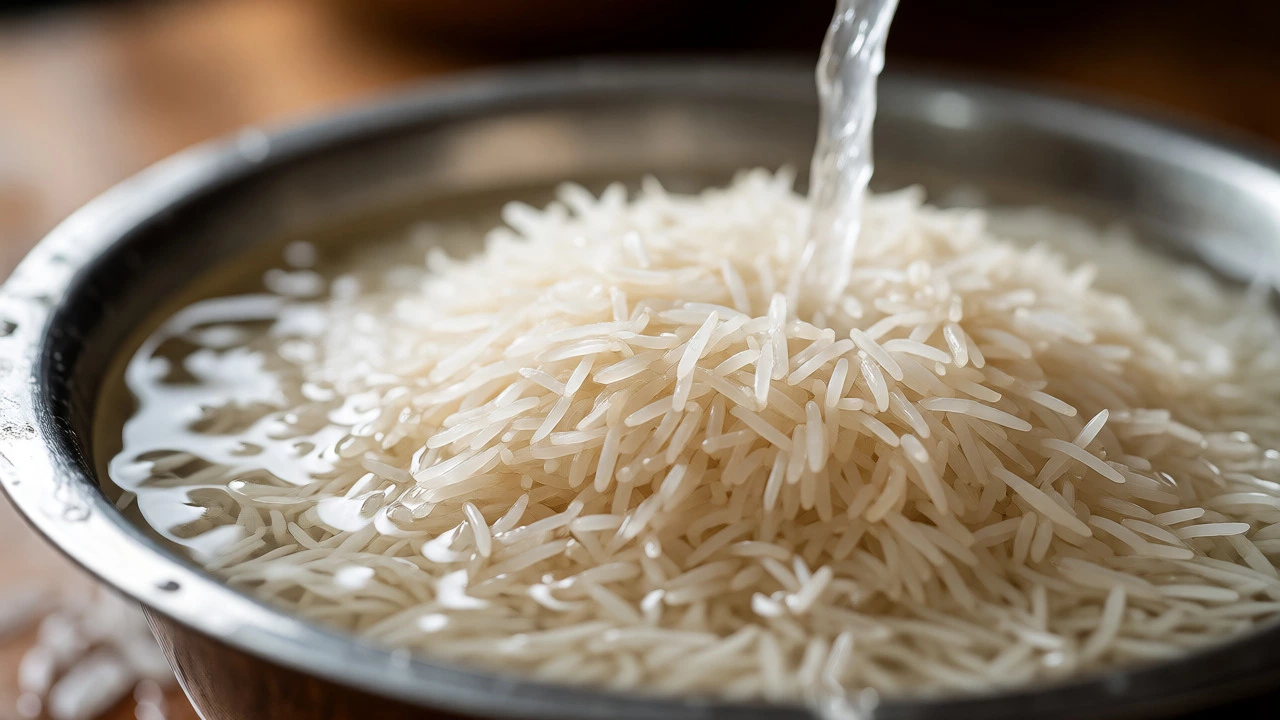
But buying Basmati isn’t enough. You need aged Basmati. Freshly harvested rice has higher moisture and starch levels, leading to mushiness. Look for rice aged for at least 12 months. On the package, this might be noted as "Aged" or have a harvest date from over a year ago. Before cooking, wash the rice thoroughly-five times minimum-until the water runs clear. This removes surface starch. Then, soak it for 30 minutes. Soaking ensures even cooking so the outside doesn’t turn to paste while the inside stays hard.
| Rice Type | Starch Level | Texture When Cooked | Biryani Suitability |
|---|---|---|---|
| Aged Basmati | Low | Fluffy, Separate Grains | Excellent |
| Jasmine Rice | Medium | Slightly Sticky | Poor (Too Fragrant/Sweet) |
| Short Grain | High | Clumpy, Soft | Unsuitable |
The Marinade: Where Flavor Begins
Many people think the spice mix added during cooking creates the flavor. Wrong. The real magic happens in the marinade. For chicken or mutton biryani, the meat needs time to absorb flavors and tenderize. Use yogurt, ginger-garlic paste, red chili powder, turmeric, and salt. But here’s the pro tip: add raw papaya paste or pineapple juice. These contain natural enzymes (papain and bromelain) that break down protein fibers without turning the meat into mush if used correctly (limit to 1-2 hours marination).
Let the meat marinate for at least four hours, preferably overnight in the fridge. Cold marination allows the acids in the yogurt to penetrate deep into the muscle tissue. When you cook this meat later, it will be juicy and flavorful throughout, not just on the surface. If you skip this step, you end up with bland meat surrounded by spicy rice.
The Technique: Dum Cooking Explained
Dum Pukht is a traditional slow-cooking method where food is sealed in a pot and cooked over low heat using trapped steam. This is the heart of good biryani. You don’t boil the rice fully. You parboil it to about 70% doneness. The grain should still have a slight bite in the center. Why? Because it will continue to cook in the steam generated by the meat below.
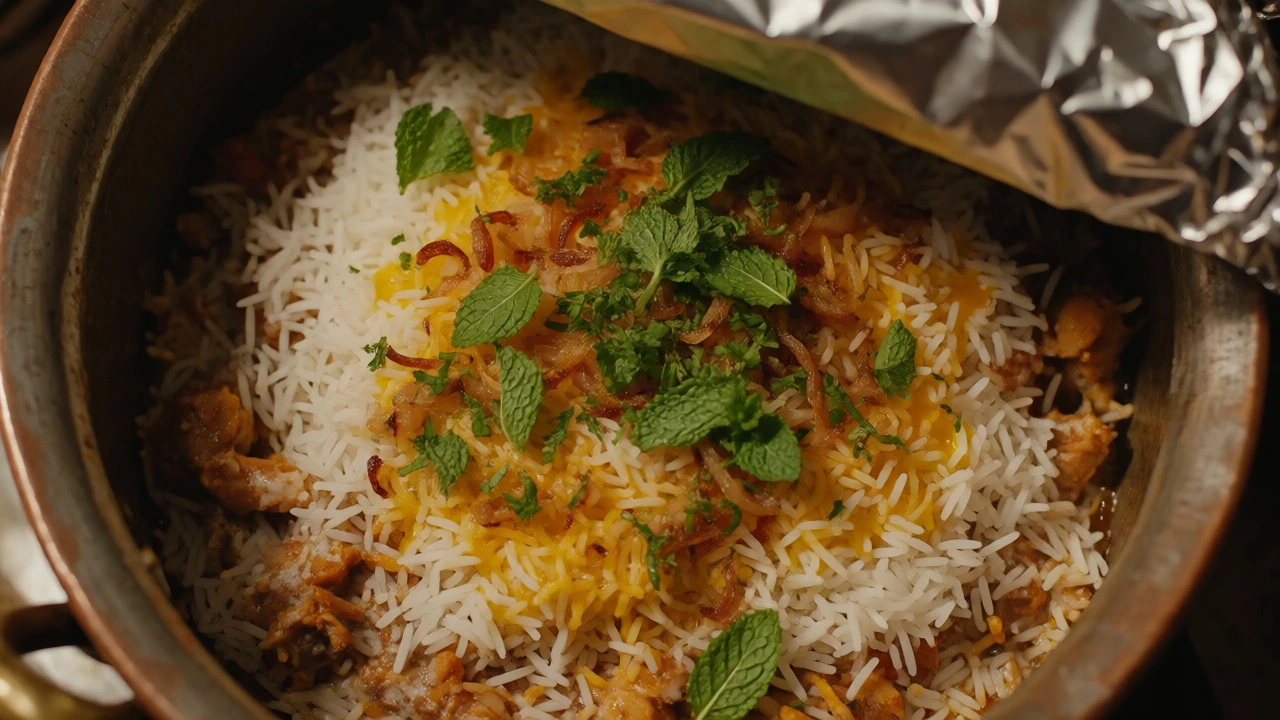
Layering is critical. In a heavy-bottomed pot (like a Dutch oven or handi), place the marinated meat at the bottom. Sauté it slightly if needed, but don’t overcook it yet. Next, layer the parboiled rice on top. Sprinkle fried onions (birista), fresh mint, coriander, and saffron milk between layers. Finally, seal the pot. Traditionally, this was done with dough, but today, tight aluminum foil under the lid works perfectly. The goal is to trap every bit of steam. No air gets in, no steam gets out.
The Heat Management Game
Once sealed, the cooking process changes entirely. Start with high heat for 5 minutes to build pressure and steam. Then, drop the heat to the lowest possible setting. If you have a tawa (flat griddle), place it under the pot to diffuse direct flame contact. This prevents burning the bottom layer while allowing gentle, uniform heat to rise through the rice.
Cook for 20-25 minutes. Do not open the lid. Opening releases the steam, dropping the internal temperature and stopping the cooking process prematurely. After the time is up, turn off the heat and let it rest for another 10 minutes before opening. This resting period allows the moisture to redistribute evenly across all layers. If you serve immediately, the rice might be wet on top and dry on the bottom.
Aromatics and Finishing Touches
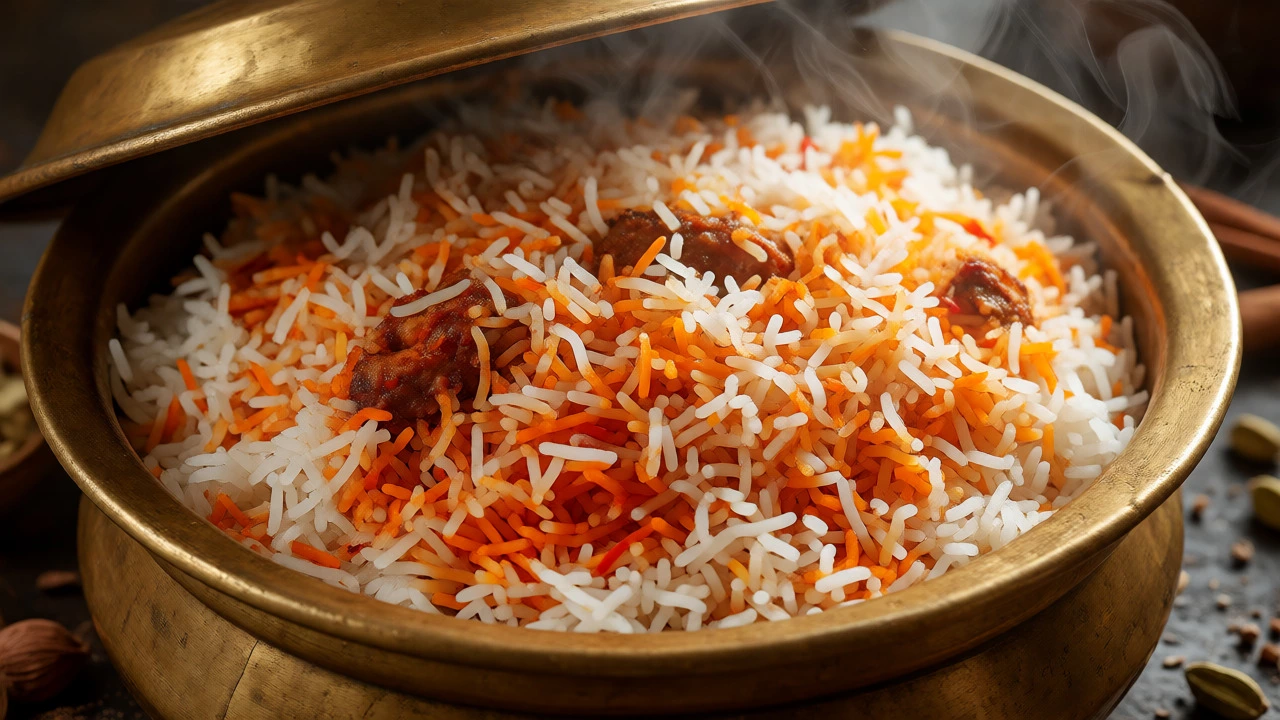
The smell hits you before the taste. That aroma comes from specific volatile compounds released during heating. Whole spices like cardamom, cloves, cinnamon, and bay leaves should be tempered in oil or ghee before adding them to the layers. Don’t use powdered versions for these aromatics; whole spices release their oils slowly during the dum process, infusing the steam that permeates the rice.
Ghee is another secret weapon. While oil is fine, ghee adds a nutty depth that oil lacks. Drizzle melted ghee around the edges of the pot before sealing. As it heats, it trickles down, coating the rice grains and preventing them from sticking. It also helps create that coveted crispy bottom layer known as "tahdig" in Persian-influenced styles, or simply the caramelized base in Hyderabadi styles.
Common Mistakes That Ruin Biryani
- Overcooking the rice: If the rice is fully cooked before layering, it turns to mush during the dum phase. Aim for 70% done.
- Skipping the seal: Leaky lids mean lost steam. Your biryani will be dry and unevenly cooked.
- Using too much liquid: Biryani is not a curry. There should be very little free liquid. The moisture comes from the meat juices and steam condensation.
- Stirring too early: Never stir biryani until you are ready to serve. Stirring breaks the delicate layers and mixes the colors, resulting in a muddy appearance.
Regional Variations: Knowing Your Style
Not all biryanis are created equal. Understanding the style helps you adjust expectations. Hyderabadi Kachchi Gosht involves cooking raw marinated meat with raw parboiled rice simultaneously, relying heavily on precise heat control. In contrast, Awadhi Pakki Gosht requires cooking the meat separately until tender before layering it with partially cooked rice. Lucknowi biryani is lighter, less oily, and focuses on subtle aromas rather than fiery heat. Kolkata biryani includes potatoes and eggs, reflecting local preferences and historical scarcity of meat.
Choose your style based on your equipment and patience. Kachchi is harder to master but offers deeper flavor integration. Pakki is more forgiving for beginners. Both require the same fundamental principles: good rice, proper marination, and sealed steaming.
Why is my biryani sticky?
Sticky biryani usually results from using the wrong type of rice (high starch varieties like Jasmine) or failing to wash the Basmati rice thoroughly before soaking. Surface starch gelatinizes during cooking, causing grains to clump together. Always rinse Basmati rice five times until the water is clear.
Can I make biryani without dum cooking?
You can approximate it using a covered pot on low heat, but true dum cooking relies on a sealed environment to trap steam. Without sealing, moisture escapes, and the rice may not cook evenly from the residual heat of the meat. Using a heavy Dutch oven with a tight-fitting lid and foil seal is the best alternative.
How do I prevent the bottom from burning?
Use a diffuser, such as an inverted flat pan or tawa, placed between the stove burner and the pot. This spreads the heat evenly and reduces direct intensity. Additionally, ensure there is enough fat (ghee or oil) in the meat layer to protect the bottom rice from scorching.
Is saffron necessary for good biryani?
While not strictly mandatory for taste, saffron provides the iconic yellow-orange hue and a unique floral aroma associated with premium biryani. If you cannot afford saffron, use turmeric for color and kewra water for aroma, though the result will differ slightly from traditional recipes.
How long should I marinate the chicken?
For optimal tenderness and flavor penetration, marinate chicken for at least 4 hours, ideally overnight in the refrigerator. Yogurt-based marinades work best over longer periods. Avoid marinating for more than 24 hours, as the acid can start to break down the texture too much, making the meat mushy.