Chutney Pairing Guide
Select the type of food you are eating or the flavor profile you desire to find the most compatible chutney.
Quick Reference: Top Chutneys
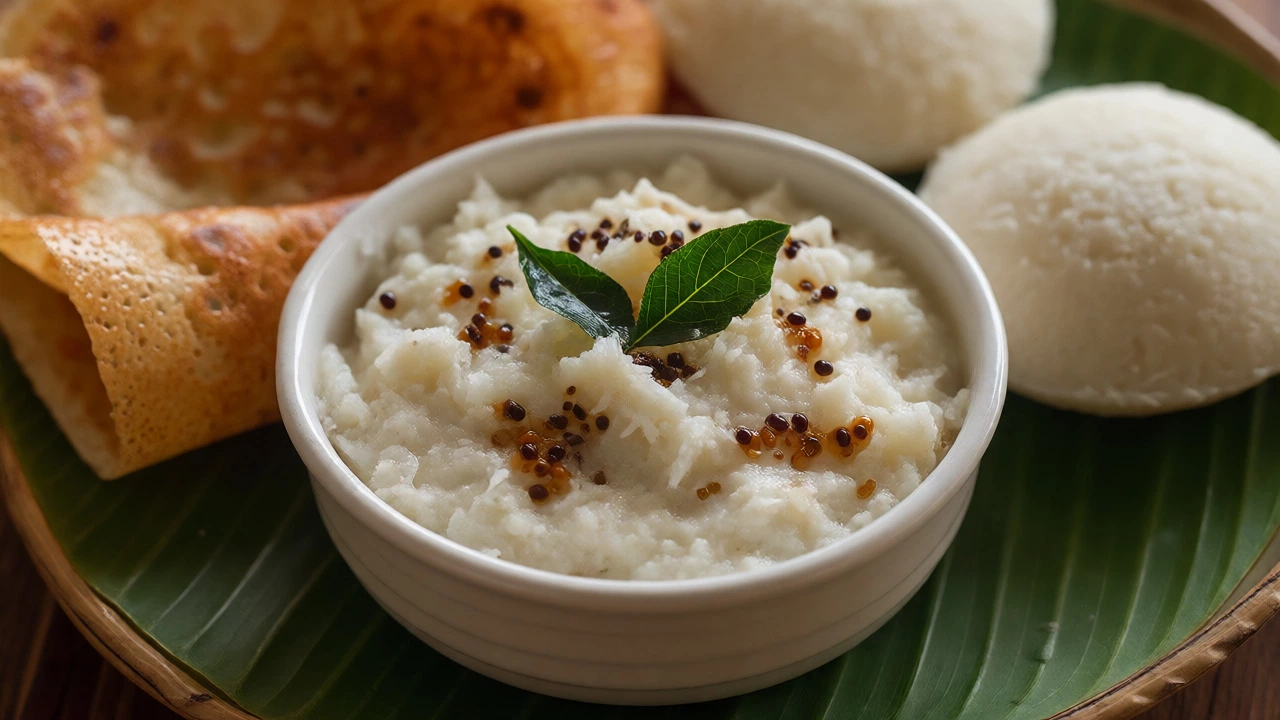
Coconut Chutney
Best for: Dosa, Idli, Vada.
Profile: Creamy, Mild, Nutty.
Mint-Coriander
Best for: Samosas, Fried Snacks.
Profile: Zesty, Spicy, Fresh.
Tamarind-Date
Best for: Pani Puri, Chaat.
Profile: Sweet, Sour, Sticky.
Tomato Chutney
Best for: Rice Meals, Paratha.
Profile: Tangy, Umami, Savory.
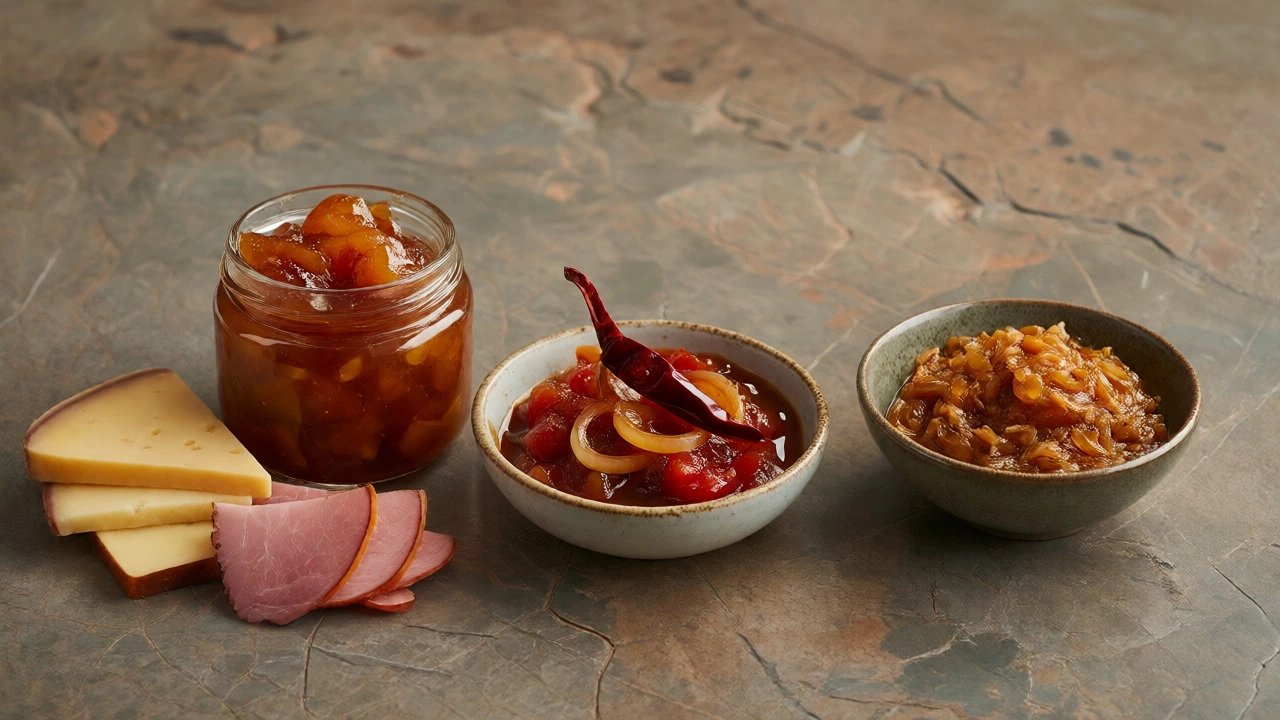
British Fruit
Best for: Cheese, Cold Cuts.
Profile: Jammy, Tart, Sweet.
You’re sitting in a restaurant, staring at a plate of steaming dosa or crispy samosas. The waiter brings three little bowls: one green, one white, and one brownish-red. You grab the green one first because it looks fresh. But have you ever wondered which of these is actually the most popular globally? Is it the fiery red tomato version, the cooling white yogurt dip, or the creamy coconut blend?
Here’s the twist: there isn’t just one "most common" chutney. It depends entirely on where you are and what you’re eating. However, if we look at global consumption data and culinary dominance, Coconut Chutney holds the crown for being the most universally recognized and consumed type, especially alongside South Indian staples. But wait-before you dismiss the others, let’s break down why this is, and when you should reach for something else.
The Coconut Contender: Why It Wins Globally
If you ask anyone outside India what comes to mind when they hear "chutney," many will think of the sweet mango jars from British supermarkets. But within the world of authentic cuisine, specifically South Asian food, coconut chutney is the undisputed king of frequency. Why? Because it pairs with almost everything.
Dosa, Idli, Vada, and even plain rice dishes rely heavily on its mild, nutty flavor profile to balance spicy curries or dry snacks. Its popularity stems from its versatility. Unlike mint chutney, which can overpower delicate flavors, or tamarind chutney, which is intensely sour, coconut chutney acts as a neutral canvas. It enhances without dominating.
In regions like Kerala, Karnataka, and Tamil Nadu, making coconut chutney is a daily ritual. The ingredients are simple: fresh grated coconut, green chilies, ginger, tempered mustard seeds, and curry leaves. This simplicity makes it accessible to home cooks worldwide. If you have access to frozen grated coconut (which is widely available in New Zealand supermarkets), you can make an authentic batch in under ten minutes.
Mint and Coriander: The Street Food Staple
If coconut chutney is the king of breakfast tables, Mint-Coriander Chutney is the emperor of street food. Walk through any market in Mumbai, Delhi, or Auckland’s Dominion Road, and you’ll see vendors selling samosas, pakoras, and chaat paired exclusively with this vibrant green sauce.
This chutney is defined by its sharp, herbaceous punch. It cuts through the grease of fried foods beautifully. While coconut chutney is creamy, mint-coriander is watery and zesty. It relies on cilantro (coriander) and mint leaves blended with green chilies, lemon juice, and sometimes a touch of sugar to balance the heat.
Why do people confuse its popularity with coconut chutney? Because street food is highly visible. You see it everywhere. But statistically, in terms of household consumption across the Indian subcontinent, coconut chutney still edges out due to its role in daily meals rather than occasional snacking.
Tamarind and Date: The Sweet-and-Sour Powerhouse
Now, let’s talk about the dark brown paste that often sits next to the green ones. Tamarind Chutney (often mixed with dates for sweetness) is essential for North Indian snacks. If you eat Samosas or Pani Puri in Northern India, this is your go-to.
Unlike the fresh herbs of mint chutney, tamarind chutney is cooked. Tamarind pulp is boiled with jaggery (unrefined cane sugar), spices like cumin and coriander powder, and thickened into a sticky syrup. Its flavor profile is complex: sour, sweet, and slightly spicy. This combination triggers salivation, which is exactly why it works so well with salty, crunchy snacks.
For those who prefer bold contrasts, tamarind chutney offers a depth that fresh chutneys lack. It has a longer shelf life too, lasting weeks in the fridge compared to the few days fresh coconut or mint versions last.

Tomato Chutney: The South Indian Sidekick
Don’t overlook Tomato Chutney. In many households, especially during lunch with Rice and Sambar, a tangy tomato chutney is served instead of coconut. It’s made by sautéing tomatoes with onions, garlic, dried red chilies, and tamarind until it breaks down into a jam-like consistency.
This chutney is less about freshness and more about umami. The cooking process concentrates the sugars in the tomatoes, creating a rich, savory base. It’s particularly common in Andhra Pradesh and Telangana cuisines. If you find coconut chutney too bland, tomato chutney provides the acidity needed to wake up a heavy meal.
British Chutney: A Different Beast Entirely
Here is where things get confusing for Western audiences. When you buy "chutney" at a local grocery store in Auckland or London, you’re likely getting something completely different from the Indian varieties mentioned above. British-style chutney is essentially a fruit preserve. Think apple chutney, peach chutney, or onion marmalade.
These are cooked slowly with vinegar and sugar until they become thick spreads. They are typically eaten with cheese, cold meats, or pork chops. While delicious, they don’t fit the same category as the fresh condiments used in Indian cooking. So, when someone asks, "What is the most common chutney?" clarify the context. Are we talking about dipping sauces for snacks, or spreads for a charcuterie board?
Comparing the Top Contenders
To help you decide which chutney to make tonight, here’s a quick breakdown of their key attributes. Notice how each serves a specific purpose based on texture and flavor intensity.
| Chutney Type | Primary Base | Flavor Profile | Best Pairings | Shelf Life |
|---|---|---|---|---|
| Coconut Chutney | Fresh Grated Coconut | Nutty, Mild, Creamy | Dosa, Idli, Rice | 2-3 Days |
| Mint-Coriander | Fresh Herbs | Zesty, Spicy, Fresh | Samosa, Pakora, Chaat | 1-2 Days |
| Tamarind-Date | Tamarind & Jaggery | Sweet, Sour, Sticky | Pani Puri, Samosa, Dahi Puri | 2-4 Weeks |
| Tomato Chutney | Cooked Tomatoes | Tangy, Savory, Umami | Rice Meals, Paratha | 5-7 Days |
| British Fruit Chutney | Fruit & Vinegar | Sweet, Tart, Jammy | Cheese, Cold Cuts | Months |
How to Choose the Right Chutney for Your Meal
Choosing the wrong chutney can ruin a dish. Here’s a simple rule of thumb: match the weight of the chutney to the weight of the food.
- Light and Crispy Foods: Go for Mint-Coriander. The water content helps cut through oiliness.
- Soft and Steamed Foods: Go for Coconut. The creaminess adds body to bland textures like idli.
- Spicy and Hearty Foods: Go for Tamarind or Tomato. Their strong acids balance heavy spices and fats.
- Cold Platters: Go for British-style Fruit Chutney. It complements the saltiness of cured meats.
If you’re new to making chutneys, start with coconut. It’s forgiving. If you add too much chili, you can add more coconut. If you add too much salt, the coconut absorbs it. Mint chutney is harder to fix once blended. Tamarind chutney requires patience to cook down properly.
Common Mistakes Home Cooks Make
Many people fail at chutney because they treat all bases the same. Here are three pitfalls to avoid:
- Over-blending Mint: If you blend mint and coriander too long, the friction heats the leaves, turning them black and bitter. Pulse gently and keep it cold.
- Skip the Tempering: For coconut and tomato chutneys, tempering (tadka) with mustard seeds and curry leaves in hot oil isn’t optional-it’s essential for aroma. Without it, the chutney tastes flat.
- Using Old Coconut: Freshness matters. If your grated coconut smells sour or looks yellowish, toss it. It will turn the whole batch rancid quickly.
Final Thoughts: Context is King
So, what is the most common type of chutney? If you’re looking at global Indian diaspora habits, coconut chutney takes the top spot for daily consumption. It’s the backbone of South Indian cuisine, which has spread far beyond its origins. However, for party snacks and street food lovers, mint-coriander is equally prevalent.
Next time you’re at the supermarket, pick up some fresh mint, a bag of frozen coconut, and a jar of tamarind paste. Try making all three. Taste them side-by-side. You’ll quickly realize that "common" doesn’t mean "one size fits all." It means having the right tool for the job. And now, you know exactly which tool to grab.
Is coconut chutney healthy?
Yes, in moderation. Coconut contains medium-chain triglycerides (MCTs), which are easily metabolized for energy. It also provides fiber and minerals like manganese. However, it is calorie-dense, so portion control is recommended if you are watching your intake.
Can I substitute mint for coriander in chutney?
You can, but the flavor will change significantly. Mint is sharper and cooler, while coriander is earthier and citrusy. Most recipes call for both to create a balanced profile. If you must choose one, use mint for fried snacks and coriander for rice dishes.
How long does homemade chutney last?
Fresh chutneys (mint, coconut) last 1-3 days in the refrigerator. Cooked chutneys (tamarind, tomato) last 1-2 weeks. To extend the life of fresh chutneys, pour a thin layer of oil on top before sealing the container to prevent oxidation.
What is the difference between chutney and pickle?
Chutney is generally softer, fresher, and meant to be eaten soon after preparation. Pickles (achar) are preserved using oil, salt, and spices, often fermented over time. Pickles have a stronger, more intense flavor and last for months or years, whereas chutney is a fresh condiment.
Which chutney goes best with samosas?
Traditionally, a combination of mint-coriander chutney (for freshness) and tamarind-date chutney (for sweet-sour contrast) is served with samosas. The dual dip allows you to balance the spiciness and greasiness of the pastry.