Biryani Green Ingredient Identifier
Adjust the sliders below to match what you see and taste in your dish.
Result will appear here
The Mystery of the Green Garnish
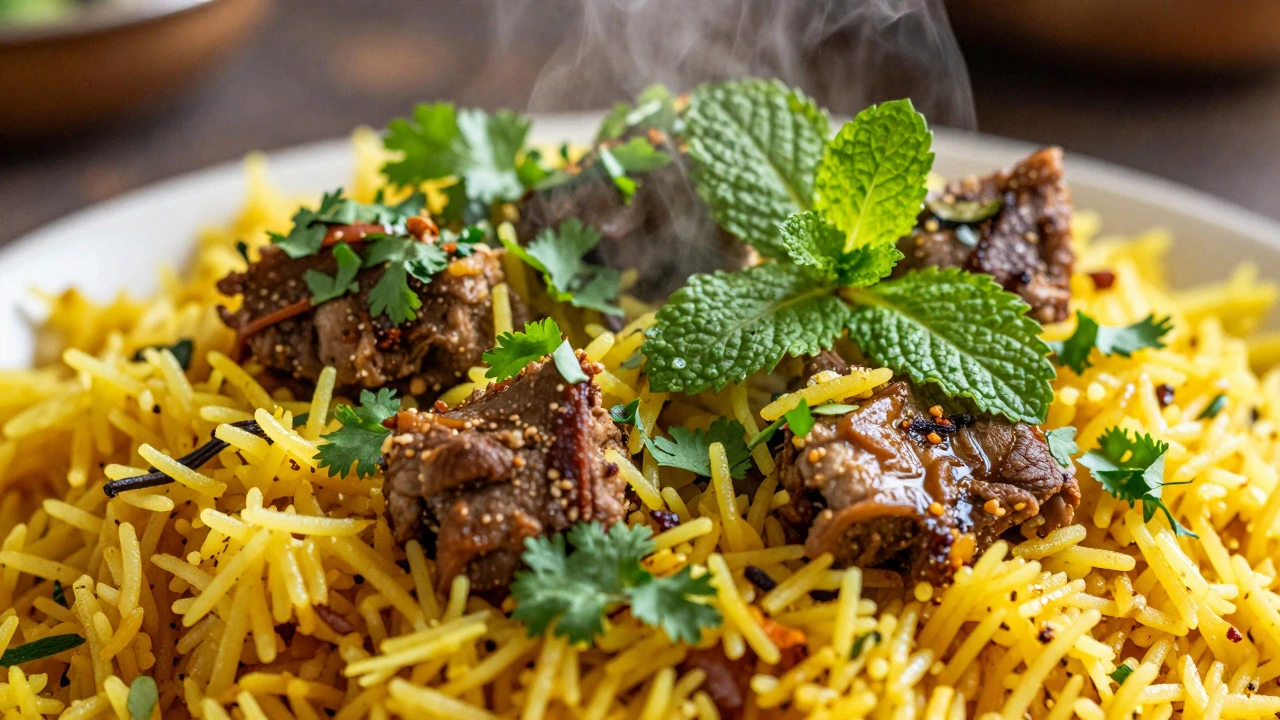
You’ve just taken your first bite of a steaming plate of Biryani is a complex, aromatic rice dish originating from the Indian subcontinent, known for its layered preparation and rich spices. The meat is tender, the rice is fluffy, and the spices hit all the right notes. But then you see it: bright green flecks scattered throughout the layers or piled high on top. You might wonder, what is that green stuff? Is it edible? Does it add flavor, or is it just there to make the dish look pretty?
For many people new to South Asian cuisine, those vibrant green bits can be confusing. Sometimes they are soft and leafy; other times, they are tiny, almost invisible specks. The answer isn't always simple because "the green stuff" usually refers to one of three things, depending on how the biryani was cooked and where it came from. It could be fresh herbs, pickled ingredients, or even artificial color.
Understanding what you're eating helps you appreciate the balance of flavors in the dish. Let’s break down exactly what those green elements are, why chefs use them, and whether you should eat them or pick them out.
Fresh Herbs: The Flavor Boosters
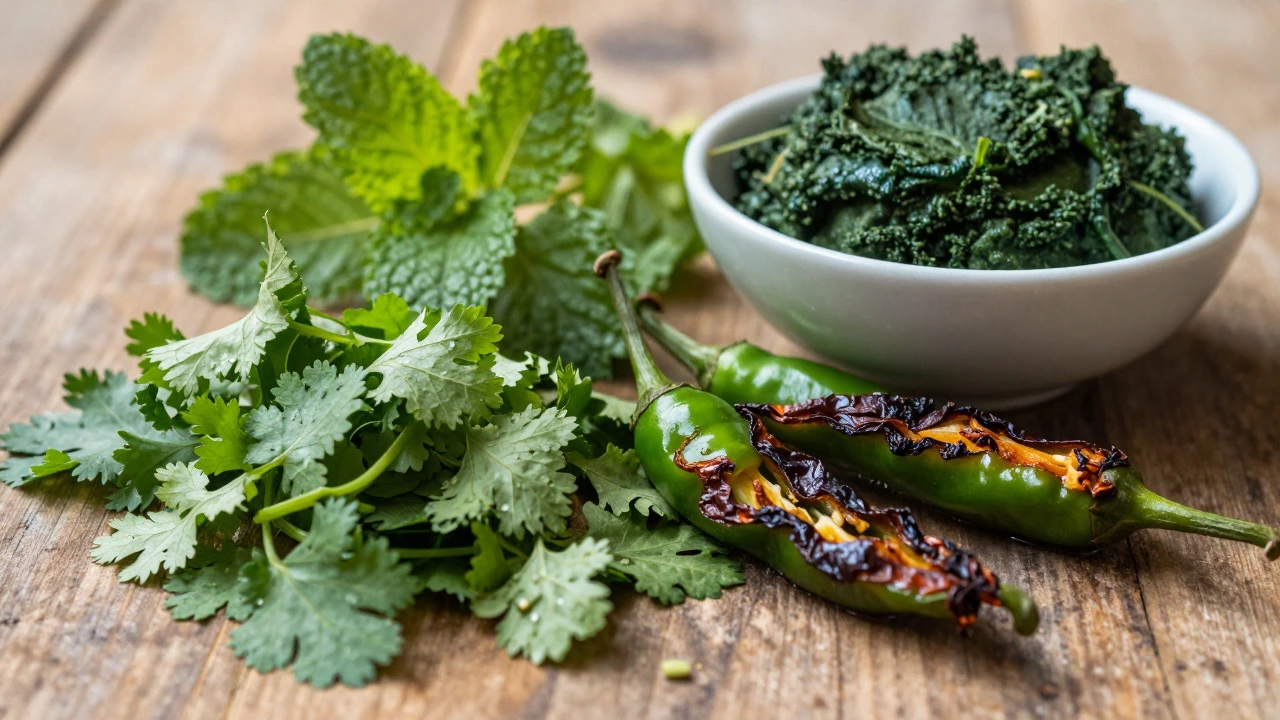
In most traditional homemade or restaurant-quality biryanis, the primary source of green color comes from fresh herbs. These aren't just decorative; they are essential to the flavor profile. The two main culprits are Coriander leaves (also known as cilantro) and Mint leaves provide cooling, aromatic freshness that balances the heat of chilies and the richness of meat.
Coriander leaves are the most common green garnish. They have a distinct, citrusy, and slightly soapy taste (depending on your genetics). In biryani, they are often chopped finely and mixed into the rice during the final layering process, or sprinkled generously on top after cooking. This adds a burst of freshness that cuts through the heavy, oily nature of the dish.
Mint leaves work similarly but offer a cooler sensation. They pair exceptionally well with spicy meats like chicken or mutton. When you steam the biryani using the dum method, these herbs release their essential oils, infusing the rice with a subtle fragrance. If you taste a cool, herbal note alongside the cumin and cardamom, that’s the mint doing its job.
- Flavor Profile: Fresh, grassy, and cooling.
- Texture: Soft and wilted if cooked inside the layers; crisp if added as a raw garnish.
- Usage: Used in both vegetarian and non-vegetarian biryanis.
Pickled Vegetables: The Sour Kick
If the green stuff looks more translucent, shiny, or has a slightly fermented appearance, it might not be fresh herbs at all. In certain regional styles of biryani, particularly from Hyderabad or Lucknow, chefs use pickled vegetables to add acidity and texture.
Pickle onions or pickle tomatoes are sometimes dyed green using natural extracts like spinach juice or turmeric-free green spice blends. However, the most likely candidate here is Green chilies are fresh or pickled peppers used to add sharp heat and visual contrast to dishes.. Sliced green chilies are often fried in oil until they turn dark green or blackened before being layered into the biryani. This process removes some of the raw bite while keeping the heat.
Another possibility is pickled mango or lemon slices that have been preserved in green-colored brine. These add a sour element that complements the savory meat. If you bite into something crunchy and sour, you’ve found the pickle component. This is especially common in street-style biryanis where bold, contrasting flavors are preferred over delicate subtleties.
Food Coloring: The Visual Appeal
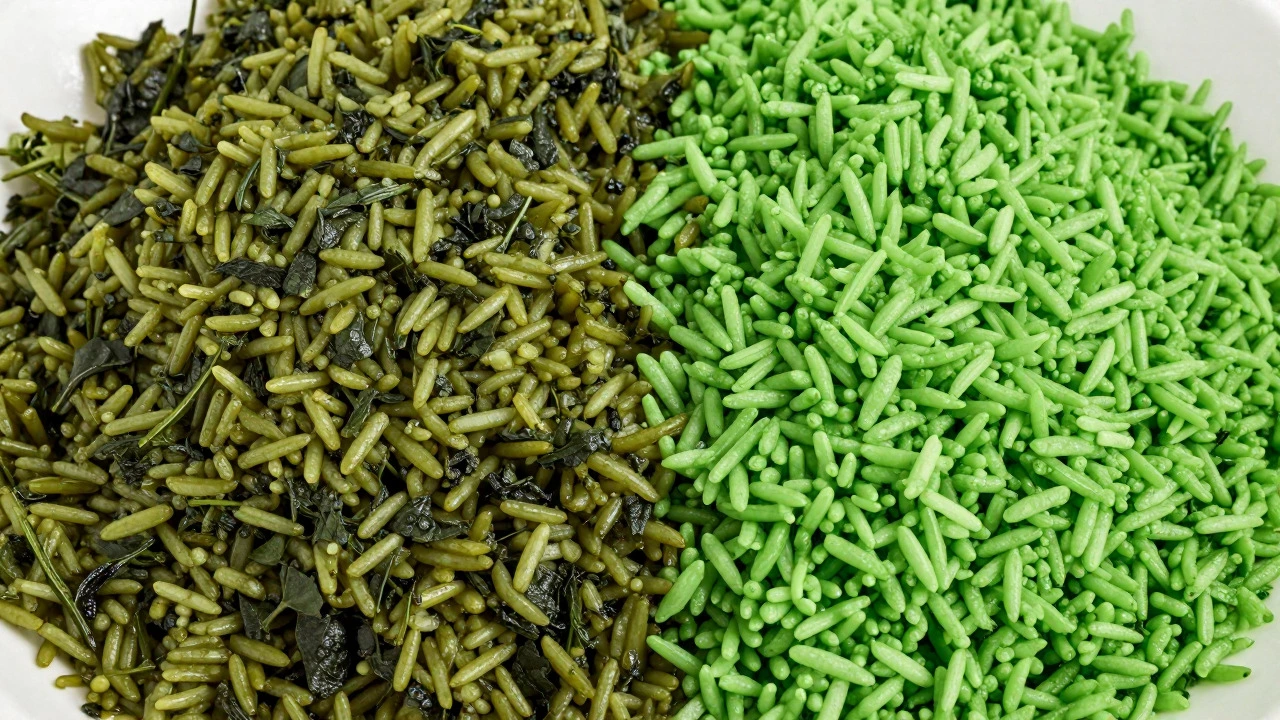
Now, let’s address the elephant in the room: artificial food coloring. In many commercial settings, especially in fast-food chains or large-scale caterings, the green color you see might not come from herbs at all. Instead, it could be Food coloring is synthetic or natural dyes used to enhance the visual appeal of food products..
Why do chefs use it? Because fresh herbs can brown or wilt unevenly during the long cooking process. To ensure every grain of rice looks vibrant and appetizing, some cooks mix a few drops of green food dye into the water used to boil the rice or into the oil used for frying the onions. This creates a uniform, bright green hue that doesn’t fade.
Is it safe? Yes, in moderation. Most food colorings approved for culinary use are rigorously tested. However, if you prefer natural ingredients, you might notice a lack of herbal aroma in these dishes. The color is there, but the flavor of coriander or mint is missing. This is a key difference between a home-cooked meal and a mass-produced one.
| Ingredient | Primary Purpose | Flavor Impact | Appearance |
|---|---|---|---|
| Coriander Leaves | Freshness & Aroma | Citrusy, Herbal | Dark green, leafy fragments |
| Mint Leaves | Cooling Effect | Refreshing, Sweet | Light green, smooth edges |
| Fried Green Chilies | Heat & Texture | Spicy, Pungent | Dark green/black, shriveled |
| Food Coloring | Visual Appeal | None | Uniform, bright neon green |
Regional Variations: Where Does the Green Come From?
The type of green ingredient used often depends on the specific style of biryani you are eating. Different regions in India and Pakistan have their own traditions regarding garnishes.
Hyderabadi Biryani is famous for its use of sambhar powder, which contains dried red chilies, but it also heavily features fresh coriander and mint. The green here is authentic and flavorful. You’ll often find whole mint leaves placed on top of the meat before sealing the pot for dum cooking.
Lucknowi (Awadhi) Biryani tends to be milder and focuses more on the quality of the meat and saffron. The green garnish is usually minimal-just a light sprinkle of fresh coriander leaves served on the side or on top. It’s less about color and more about elegance.
Kolkata Biryani includes potatoes and boiled eggs, and the green element is often a mix of coriander and sometimes even fennel seeds (which are greenish-brown). The overall color palette is softer, with less emphasis on bright greens.
In Pakistani Biryani, especially in Karachi or Lahore, you might see a heavier hand with green chilies and coriander. The dish is often spicier, and the green chilies serve as both a garnish and a heat source.
Should You Eat the Green Stuff?
This is a personal preference, but here’s the breakdown:
Eat the herbs: Coriander and mint are nutritious and add valuable flavor. They help digest the heavy fats in the biryani. If you dislike the taste of cilantro due to genetic sensitivity (it tastes like soap), feel free to pick them out. But for most people, they are a delicious part of the experience.
Eat the chilies: If you like heat, go for it. Fried green chilies are mild compared to raw ones, but they still pack a punch. They add texture and prevent the dish from feeling too monotonous.
Skip the dye: If you suspect the green color is purely artificial, you don’t need to worry about health risks, but you might miss out on the herbal complexity. In this case, adding your own fresh coriander on top can revive the dish.
How to Make Your Own Green Biryani at Home
If you want to replicate that vibrant green look without relying on artificial colors, follow these steps:
- Use Fresh Herbs: Chop a large bunch of coriander and mint. Mix them together for a balanced flavor.
- Blanch Spinach: For a deeper green color, blanch fresh spinach, blend it into a paste, and mix a tablespoon into the rice water. This provides a natural dye.
- Fry Green Chilies: Slice green chilies lengthwise and fry them in mustard oil until they darken. Layer them between the rice and meat.
- Layer Generously: Don’t be shy with the herbs. Sprinkle half before the final layer of rice and half on top after cooking.
By using these natural methods, you get the visual appeal of green biryani along with the health benefits and flavor of fresh ingredients. It’s a win-win for your taste buds and your kitchen.
Is the green stuff in biryani healthy?
Yes, if it consists of fresh herbs like coriander and mint. These herbs are rich in antioxidants and vitamins. However, if the green color comes from artificial food dye, it offers no nutritional value, though it is generally safe in small amounts.
Why does my biryani turn green when I cook it?
This can happen if you use too much green chili paste or if the herbs oxidize. Additionally, some spices like turmeric can react with alkaline ingredients, shifting colors. Ensure you are balancing your spices correctly.
Natural oxidation of herbs or reaction between spices and acidic ingredients can cause color shifts. Using fresh ingredients and proper layering techniques helps maintain the desired color.
Can I replace coriander with parsley in biryani?
While possible, parsley has a different flavor profile. Coriander has a unique citrusy note that pairs specifically with Indian spices. Parsley will taste more European and may clash with the traditional biryani flavor.
Is green food coloring safe in biryani?
Yes, food-grade coloring is regulated and safe for consumption. However, excessive use can lead to an unnatural taste and lacks the nutritional benefits of fresh herbs.
How do I remove the green color from biryani rice?
If the rice is overly dyed, you cannot easily remove the color. Prevention is key: rinse rice thoroughly before cooking and avoid adding colored pastes directly to the water unless necessary.