Biryani Bitterness Diagnostic Tool
Diagnosis
Cause identified based on article analysis.
How to Fix It (Immediate):
Prevention for Next Time:
Select a symptom to analyze your dish.
There is nothing quite like the disappointment of serving a pot of Biryani is a mixed rice dish that originated in the Indian subcontinent and is popular across South Asia, the Middle East, and Southeast Asia. It consists of aromatic basmati rice, meat or vegetables, and a blend of spices cooked together using the dum method. only to have your guest take one bite and frown. The aroma was perfect. The rice looked fluffy. But the flavor profile hit a sour, metallic, or sharp note that ruined the experience. You might be asking yourself, "What is the bitter thing in biryani?" It’s a common question among home cooks who follow recipes to the letter but still end up with an unbalanced dish.
The bitterness in biryani rarely comes from a single ingredient gone wrong. Instead, it usually stems from a combination of technical errors during the cooking process or specific spice handling mistakes. Understanding these culprits helps you troubleshoot your current batch and prevent the issue in future meals. Let’s break down the most likely sources of that unwanted bitterness.
The Burnt Masala: The Most Common Culprit
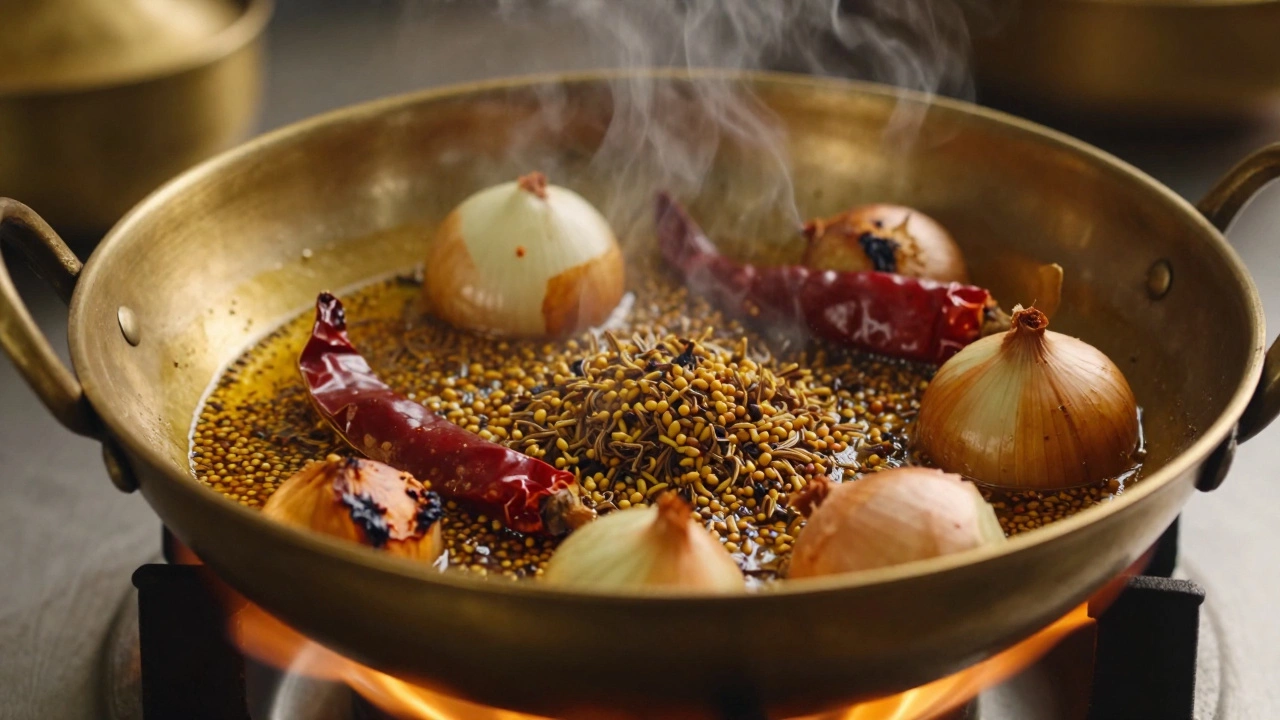
If your biryani tastes acrid, smoky in a bad way, or distinctly bitter, the first place to look is your base masala. Many cooks rush the initial tempering stage, known as *baghaar* or *tadka*. When whole spices like cumin seeds, mustard seeds, or dried red chilies are added to hot oil, they toast quickly. If left for even ten seconds too long, they burn.
Burnt spices release compounds that create a harsh, lingering bitterness. This is especially true for black pepper and cloves. While fresh ground black pepper adds heat, burnt pepper adds ash-like bitterness. Similarly, cloves contain eugenol, which is warm and sweet when used correctly but turns medicinal and bitter if scorched. Always cook your onions until they are deep golden brown, not dark brown or black. Dark brown onions can impart a slight char, which is good, but blackened bits will dominate the flavor with bitterness.
- Cumin Seeds: Toast for no more than 30-45 seconds on medium heat.
- Mustard Seeds: Remove from heat immediately after they stop spluttering.
- Dried Red Chilies: Watch them closely; they burn faster than other spices.
The Cardamom Seed Trap
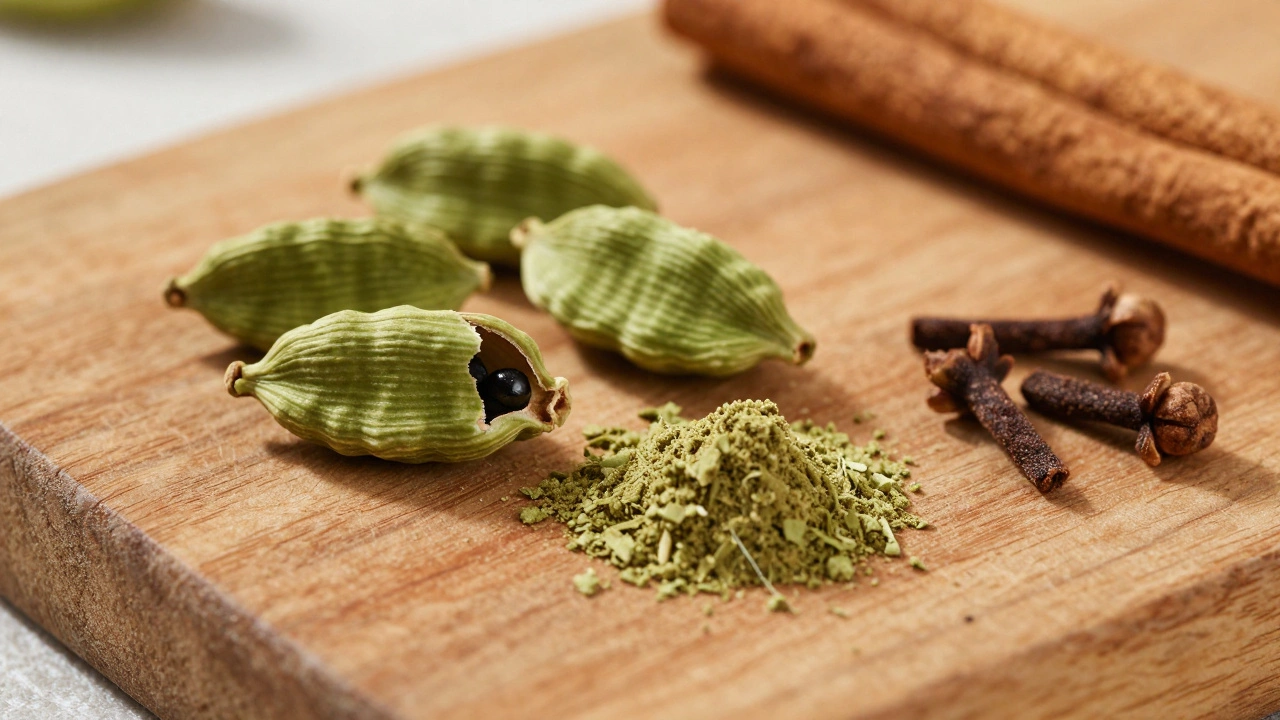
This is perhaps the most surprising source of bitterness for many home cooks. Green cardamom pods are essential for that signature floral aroma in biryani. However, the tiny black seeds inside the green husk are intensely bitter. Most recipes call for crushing the pods lightly to release the aroma without exposing the seeds directly to the rice.
If you crush the pods too aggressively, or if you use a mortar and pestle that pulverizes the seeds into a fine powder, those bitter seeds mix directly into the gravy and rice. The result is a subtle but pervasive bitterness that masks the sweetness of the saffron and milk. The solution is simple: crush the pods just enough to crack the outer shell, keeping the seeds intact inside. Alternatively, you can remove the seeds entirely and discard them, using only the husks for infusion, though this reduces the potency slightly.
Over-Spicing with Cloves and Cinnamon
Biryani relies on a balance of flavors. Spices like cloves (*laung*) and cinnamon (*dalchini*) are powerful. A little goes a long way. Cloves, in particular, are dense with flavor. Using too many whole cloves can make the dish taste medicinal and bitter. The same applies to cinnamon bark. If you use too much, the tannins in the bark can leach out, creating an astringent, bitter finish.
Stick to standard measurements. For a standard 4-cup rice biryani, two to three whole cloves and one-inch pieces of cinnamon stick are usually sufficient. More is not better here. If you find your family prefers a stronger spice kick, increase the green chilies or black pepper, not the aromatic whole spices.
The Yogurt Factor: Curdling and Burning
Yogurt (curd) is often used in the marinade for meat-based biryanis to tenderize the protein and add tanginess. However, yogurt can curdle and burn if not handled correctly. If the heat is too high when adding the yogurt to the pan, the proteins seize up and the lactose can caramelize and then burn, leading to a bitter undertone.
To avoid this, always add yogurt at room temperature and whisk it smooth before mixing it with the meat. Cook the marinated meat on low to medium-low heat. Stir frequently in the early stages to ensure the yogurt doesn't stick to the bottom of the pan and scorch. If your yogurt is very thin, strain it to make Greek-style yogurt, which is less likely to separate and burn.
Rice Washing and Starch Issues
While less common than spice issues, improper rice preparation can contribute to off-flavors. Basmati rice needs to be washed thoroughly until the water runs clear. If you skip this step, excess starch remains. During the *dum* (steaming) process, this starch can clump and burn against the hot sides of the pot, especially if the flame is too high. Burnt starch tastes distinctly bitter.
Additionally, some people soak their rice for too long (more than 30 minutes). Over-soaking can cause the rice grains to become fragile and start fermenting slightly, especially in warm climates. This fermentation can introduce a sour, bitter note. Soak basmati rice for 15-20 minutes, then drain well before cooking.
Old or Poor Quality Spices
Spices lose their volatile oils over time and replace them with stale, dusty notes. Old turmeric, for example, can taste earthy and bitter rather than bright and peppery. Old coriander powder can turn flat and slightly bitter. If your spice jar has been sitting in the cupboard for over a year, it might be time to replace it. Freshly ground spices always offer a cleaner, sweeter flavor profile compared to pre-ground powders that have oxidized.
| Cause | Symptom | Solution |
|---|---|---|
| Burnt Onions/Spices | Acrid, smoky, ash-like taste | Cook on lower heat; remove burnt bits immediately |
| Crushed Cardamom Seeds | Sharp, lingering bitterness | Lightly crush pods; keep seeds intact or remove them |
| Excess Cloves/Cinnamon | Medicinal, astringent finish | Reduce quantity; use 2-3 cloves per 4 cups of rice |
| Scorched Yogurt | Sour-bitter undertone | Use room temp yogurt; cook on low heat; stir often |
| Burnt Rice/Starch | Charred, starchy bitterness | Wash rice well; use low flame for dum; line pot bottom |
How to Fix Bitter Biryani
If you’ve already cooked the biryani and detected bitterness, can you save it? Sometimes, yes. Here are a few tricks to mitigate the damage:
- Add Sweetness: A teaspoon of sugar or a splash of rose water can counteract bitterness. Add sparingly and taste as you go.
- Add Acid: A squeeze of lemon juice or a tablespoon of tamarind paste can balance the bitter notes by introducing brightness.
- Dilute: If the bitterness is mild, mix in a portion of plain, well-cooked white rice to dilute the strong flavors.
- Remove Visible Bits: If you see burnt onion pieces or charred spices, carefully pick them out. They will continue to release bitter compounds.
Prevention Tips for Next Time
The best cure is prevention. Keep your kitchen thermometer handy if possible, or rely on sensory cues. Oil should shimmer, not smoke. Spices should sizzle, not scream. Onions should smell nutty, not burnt. Taste your masala base before adding the rice. If the base tastes balanced, the final dish likely will be too. Remember, biryani is a layered dish. Each layer-marinade, masala, rice, steam-contributes to the final flavor. Pay attention to each step, and you’ll avoid the bitter surprise.
Why does my biryani taste bitter even though I didn't burn anything?
If nothing appears burnt, check your cardamom pods. Crushing them too finely releases bitter seeds. Also, verify your spice freshness. Old coriander or cumin powder can develop bitter notes. Finally, ensure you aren't using too many cloves, which can taste medicinal and bitter in large quantities.
Can salt make biryani taste bitter?
Salt itself doesn't cause bitterness, but under-salting can make other flavors, including bitterness from spices, stand out more. Conversely, using iodized salt in very large amounts can sometimes leave a metallic aftertaste. Use regular sea salt or rock salt (sendha namak) for a cleaner flavor profile.
Is it safe to eat bitter biryani?
Generally, yes, unless the bitterness comes from spoiled ingredients like rancid oil or fermented rice. Bitterness from burnt spices or cardamom seeds is unpleasant but not harmful. However, if the dish smells sour or off beyond normal spice notes, discard it to avoid foodborne illness.
Does the type of rice affect bitterness?
Not directly, but old stock rice can absorb odors and flavors from its storage environment, potentially tasting stale or slightly bitter. Always use fresh basmati rice. Additionally, broken rice grains have more surface area and can burn faster, leading to localized bitterness if not stirred properly during the initial boiling stage.
How do I know if my onions are burnt vs. caramelized?
Caramelized onions are deep golden brown and smell sweet and nutty. Burnt onions are dark brown to black, smell acrid or smoky, and taste bitter. If you're unsure, taste a small piece. If it's sweet, keep cooking. If it's bitter, stop immediately and discard the burnt bits.