Tandoori Mayo Ratio Calculator
Find the perfect balance of creaminess and heat. Adjust the sliders to match your taste preferences.
Your Custom Tandoori Mayo
-
Mayonnaise Base --
-
Greek Yogurt --
-
Tandoori Masala --
-
Tomato Paste --
-
Lemon Juice --
Adjust settings and click "Generate Recipe"
to see your custom measurements.
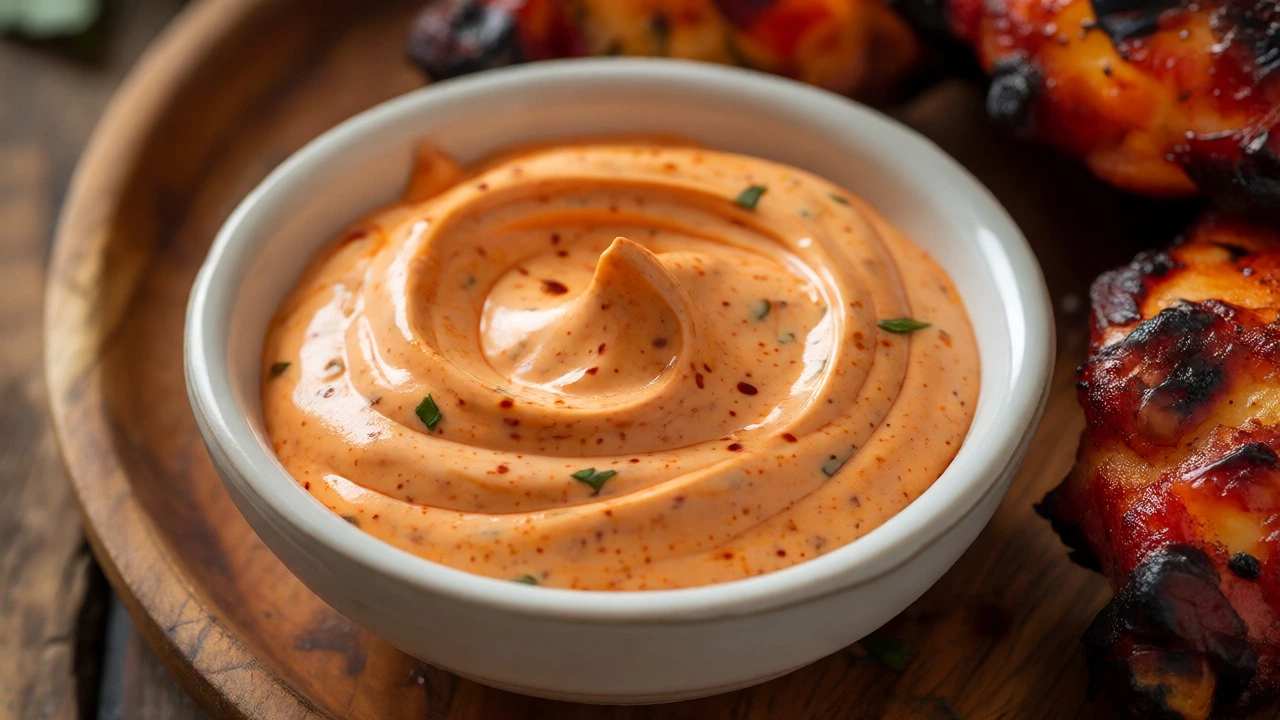
You’ve probably seen that vibrant orange-pink swirl on the side of a plate at your local Indian restaurant. It looks like it belongs with tandoori chicken, but what exactly is it? If you’ve ever wondered whether to dip your naan in it or drizzle it over a burger, you’re asking the right questions. This isn’t just regular mayo dyed red. It’s a specific culinary bridge between creamy Western comfort and bold Indian spice profiles.
Tandoori mayonnaise is a creamy condiment made by blending standard mayonnaise with tandoori marinade spices, yogurt, and often tomato paste or chili powder. Unlike plain mayo, which relies on egg yolks and oil for flavor, this sauce gets its kick from ingredients like garam masala, cumin, coriander, and sometimes fresh ginger or garlic. It serves as a dipping sauce, a sandwich spread, or a topping for grilled meats.
The Anatomy of the Sauce
To understand what makes this sauce tick, you have to look at its components. Regular mayonnaise is an emulsion of fat and acid. Tandoori mayo takes that base and injects it with the aromatic profile of a tandoor oven. The tandoor is a cylindrical clay oven used in South Asia to cook food at high temperatures, imparting a smoky, charred flavor to meats and breads.
When chefs create tandoori mayonnaise, they aren’t just adding heat. They are replicating the sensory experience of eating directly off the grill. The key here is balance. Too much spice, and you overpower the delicate creaminess of the mayo. Too little, and it’s just pinkish salad dressing. The best versions use a ratio that allows the spices to shine without curdling the dairy base.
- Base: Full-fat mayonnaise or Greek yogurt for tang.
- Spice Blend: Tandoori masala, which typically includes Kashmiri chili (for color), cumin, coriander, and black pepper.
- Aromatics: Minced garlic, grated ginger, and sometimes a hint of fenugreek leaves (kasuri methi).
- Color & Sweetness: Tomato puree or paprika adds depth and that signature hue.
Why It Works With Chicken
You might ask, why pair a cold sauce with hot, spiced meat? It comes down to contrast. Tandoori chicken is dry-cooked. The high heat of the tandoor evaporates moisture, leaving the exterior slightly crisp and intensely flavored. Without a counterpoint, the palate can get overwhelmed by the dryness and the heavy spice load.
Tandoori mayonnaise provides two things: moisture and cooling relief. The fat content in the mayo coats the tongue, soothing the burn from the chilies. Meanwhile, the acidity cuts through the richness of the fried or grilled skin. Think of it like ranch dressing on buffalo wings, but with a complex spice profile instead of simple herbs. If you are making tandoori chicken at home, this sauce transforms a dry piece of breast meat into a juicy, flavorful bite.
Homemade vs. Store-Bought
Can you buy this sauce? Sure. You’ll find jars labeled "Tandoori Mayo" in some international aisles or specialty stores. But here’s the truth: most store-bought versions rely heavily on preservatives and artificial colors. They often taste flat because the volatile oils in spices like cumin and coriander degrade quickly once bottled.
Making it yourself takes five minutes and yields a fresher, punchier result. Plus, you control the heat level. Do you want mild? Skip the green chilies. Want a kick? Add a teaspoon of cayenne or fresh chopped serrano peppers. Here is a simple breakdown of how the options compare.
| Feature | Homemade | Store-Bought |
|---|---|---|
| Flavor Profile | Fresh, aromatic, customizable heat | Uniform, often muted or overly salty |
| Ingredients | Real spices, fresh herbs, quality oil | Stabilizers, modified starches, artificial dyes |
| Shelf Life | 1 week refrigerated | Months unopened, weeks opened |
| Cost | Low (uses pantry staples) | Moderate to High |
| Effort | 5 minutes mixing | Zero effort |
How to Make It at Home
If you have a jar of good-quality mayonnaise and a tin of tandoori masala, you’re halfway there. But if you want to impress guests, make the base from scratch using egg yolk, lemon juice, and neutral oil. Then fold in the spices.
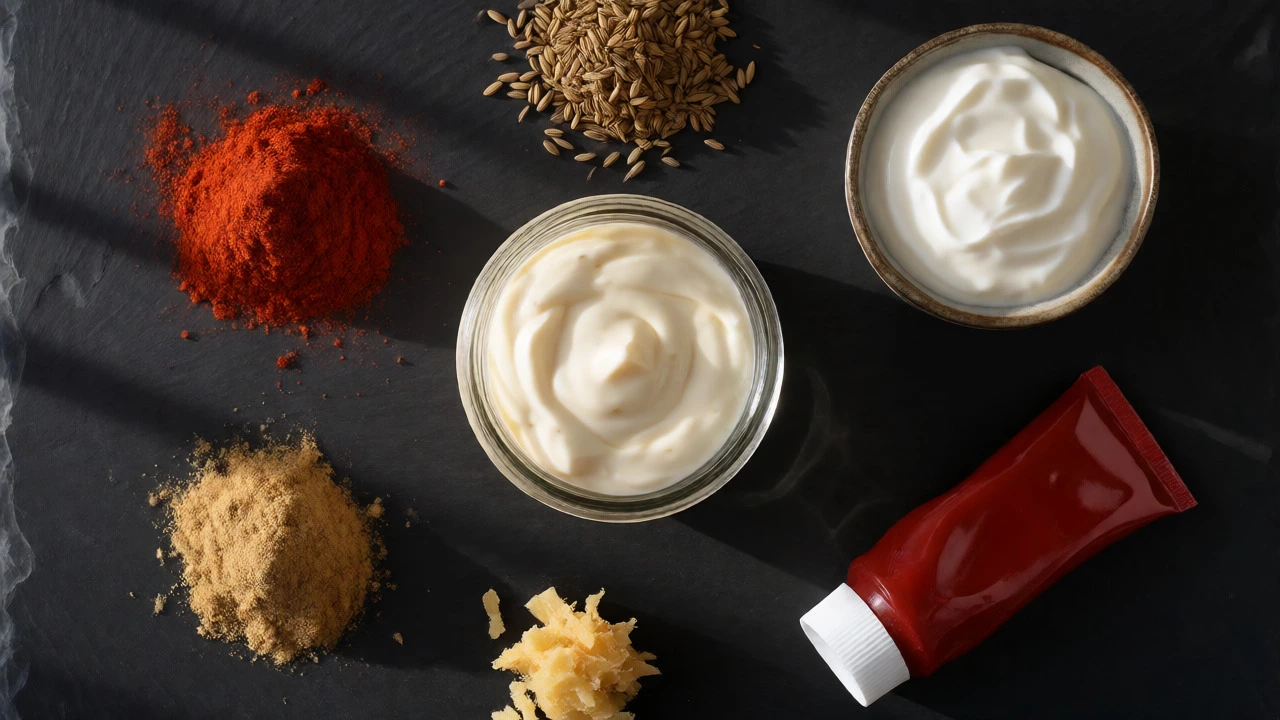
Start with one cup of mayonnaise. Stir in two tablespoons of thick yogurt for tang. Add one tablespoon of tandoori masala powder. If you don’t have pre-mixed masala, combine half a teaspoon each of ground cumin, ground coriander, paprika, and a pinch of cinnamon. Mix well. Let it sit in the fridge for thirty minutes. This resting period is crucial. It allows the dried spices to hydrate and release their oils into the fat, smoothing out any gritty texture.
Taste test before serving. Does it need more salt? More lemon? Adjust accordingly. Remember, flavors intensify as the sauce sits. What tastes slightly bland now will likely be perfect after chilling.
Beyond Dipping: Creative Uses
Don’t limit this sauce to chicken fingers. Its versatility is where it really shines. Because it bridges the gap between creamy and spicy, it works in unexpected places.
- Slaw: Swap out vinegar-based slaw for tandoori mayo slaw on fish tacos. It adds an Indian twist to Mexican street food.
- Pasta Salad: Toss cooked penne with peas, chickpeas, and tandoori mayo. It becomes a hearty lunch box meal.
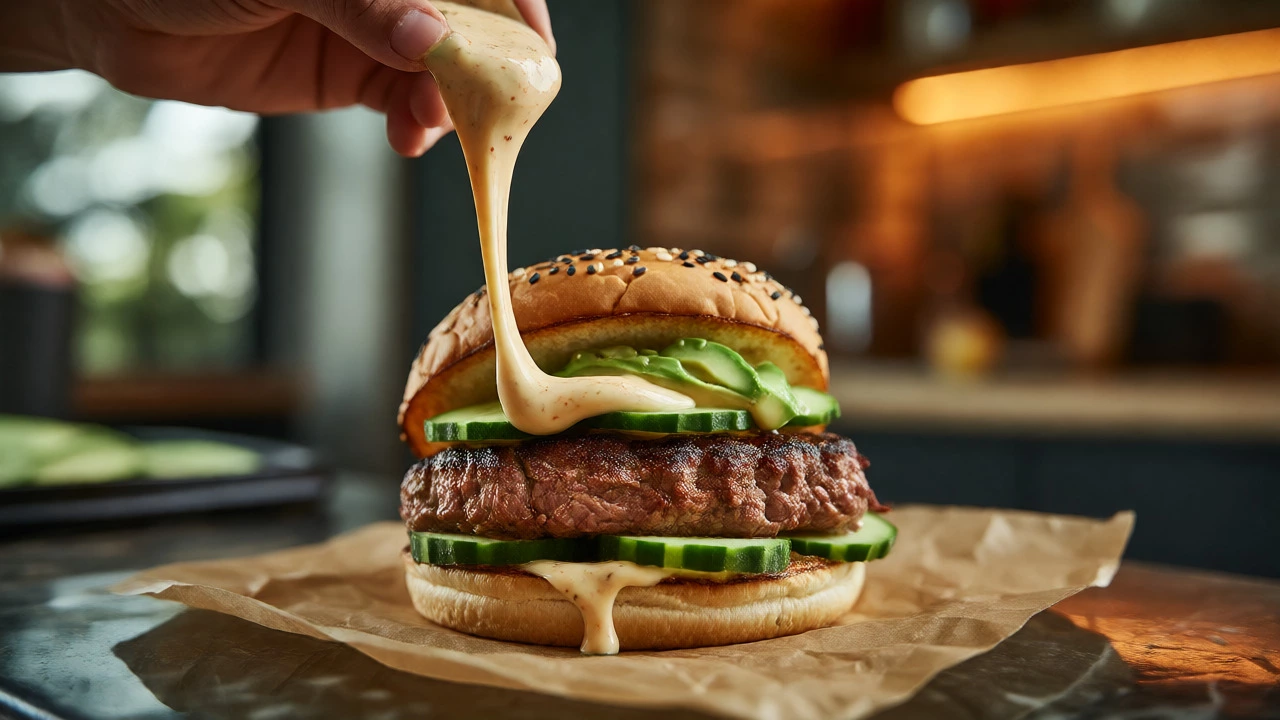
- Sandwich Spread: Use it on turkey or roasted veggie sandwiches. It pairs surprisingly well with cucumber and avocado.
- Burger Topper: Drizzle it over a lamb burger. The earthy spices complement the gamey flavor of the meat.
In Auckland, where I live, fusion cuisine is huge. You’ll see chefs using this sauce on everything from loaded fries to pizza bases. Don’t be afraid to experiment. If you like the combination of yogurt and spice, this sauce is your new go-to.
Storage and Shelf Life
Since this sauce contains dairy and fresh aromatics, it doesn’t last forever. Keep it in an airtight container in the refrigerator. It stays fresh for about seven days. After that, the spices can start to taste bitter, and the mayo may separate slightly.
If you notice separation, don’t panic. Just give it a vigorous stir. The emulsion has broken due to temperature changes, not spoilage. However, if it smells sour or looks moldy, toss it. Always use clean utensils when scooping out portions to prevent bacterial contamination.
Common Mistakes to Avoid
Even simple sauces can go wrong. The biggest mistake people make is adding too much liquid. Yogurt, lemon juice, and tomato paste all add water content. If you overload the mayo, it turns runny. Stick to thick ingredients. Use Greek yogurt instead of regular yogurt. Use tomato paste instead of ketchup.
Another error is skipping the rest time. Spices need time to bloom. If you mix and eat immediately, you’ll taste raw, dusty powder. Wait thirty minutes. Your taste buds will thank you.
Finally, watch the heat. Tandoori masala varies by brand. Some are mild, others are fiery. Start with less than you think you need. You can always add more spice, but you can’t take it out. Balance is key.
Is tandoori mayonnaise spicy?
It depends on the recipe, but generally, it has a mild to medium heat level. Traditional recipes use Kashmiri chili powder, which provides vibrant color with minimal heat. However, many modern versions include cayenne or fresh green chilies, making them significantly spicier. You can easily adjust the heat by reducing or omitting the chili components during preparation.
What does tandoori mayonnaise taste like?
It tastes creamy, tangy, and aromatic. The primary notes come from cumin, coriander, and garlic, balanced by the richness of the mayonnaise. There is often a subtle sweetness from tomato paste or onions, and a slight smokiness if smoked paprika is used. It is not as acidic as tzatziki nor as herbaceous as ranch dressing.
Can I make tandoori mayonnaise vegan?
Yes, absolutely. Substitute regular mayonnaise with a high-quality vegan mayonnaise made from soy or aquafaba. For the yogurt component, use unsweetened coconut yogurt or cashew cream. Ensure the tandoori masala you use does not contain animal-derived additives, though most are plant-based.
How long does homemade tandoori mayo last?
Homemade tandoori mayonnaise lasts for up to one week when stored in an airtight container in the refrigerator. The freshness of the added yogurt and aromatics limits its shelf life compared to commercial products, which contain preservatives. Always check for off-smells or discoloration before consuming.
What foods go well with tandoori mayonnaise?
It pairs exceptionally well with grilled meats like chicken, lamb, and fish. It also complements vegetable dishes such as roasted cauliflower, potato wedges, and corn on the cob. As a spread, it enhances sandwiches, wraps, and burgers, particularly those featuring falafel or halloumi.