Satiety Score Calculator
Calculate Your Snack's Filling Power
Discover how satisfying your snack will be based on its nutrient composition. Enter the grams of protein, fiber, and healthy fats to see your satiety score.
Your Satiety Score
Your snack will keep you full for 3-4 hours with moderate satisfaction.
How to improve your score:
- Try adding more protein (like lentils or chickpeas)
- Include fiber-rich ingredients (like vegetables or whole grains)
- Choose healthy fats (like nuts or seeds)
Ever eaten a bag of chips or a sugary pastry and felt hungry again an hour later? You’re not alone. Most snacks promise a quick fix but leave you craving more. The real goal isn’t just to eat something light-it’s to eat something that keeps you full, energized, and away from the fridge by lunchtime. The answer isn’t found in protein bars or low-fat yogurt. It’s in the kitchens of Indian homes, where generations have mastered the art of snacks that satisfy without the sugar rush or bloating.
Why Most Snacks Fail
Snacks that are low in fat or labeled "diet" often replace real food with refined carbs and artificial sweeteners. A rice cake might have 35 calories, but it’s pure starch. Your blood sugar spikes, then crashes. You feel tired. You reach for another. This cycle doesn’t just make you hungry-it rewires your appetite.
True satiety comes from three things: protein, fiber, and healthy fats. Together, they slow digestion, stabilize blood sugar, and trigger hormones that tell your brain, "You’re done." Indian cooking has always understood this. The best filling snacks aren’t fancy. They’re simple, whole, and built to last.
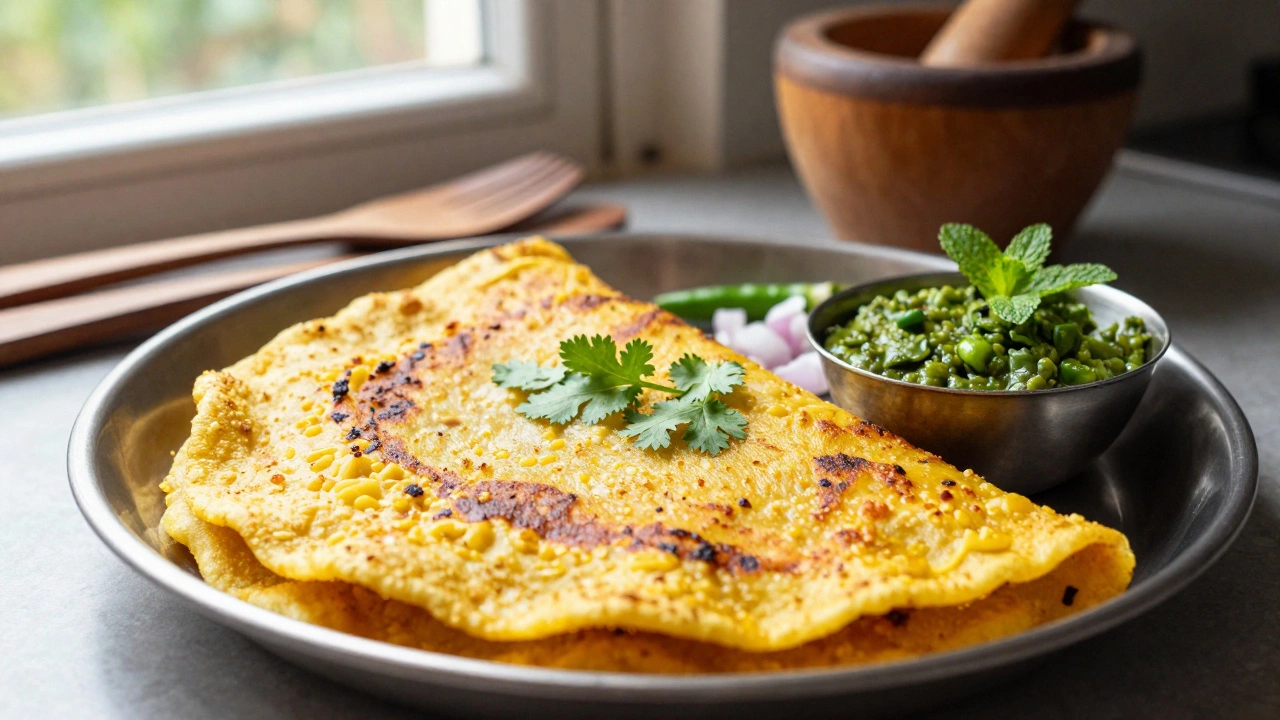
Moong Dal Chilla: The Breakfast Snack That Lasts All Morning
Moong dal chilla is a savory pancake made from ground yellow lentils, water, and a pinch of spices. It’s gluten-free, vegan, and packed with 12 grams of protein per serving. Unlike flour-based pancakes, chillas don’t turn to mush in your stomach. They hold their structure, digest slowly, and keep you full for 4-5 hours.
Here’s how it works: Moong dal is naturally high in resistant starch-a type of fiber that acts like a prebiotic. It feeds good gut bacteria and slows glucose release. Add chopped onions, green chilies, and cilantro, then cook on a lightly oiled griddle. Serve with mint chutney. No bread. No butter. Just clean, slow-burning energy.
One study from the Indian Journal of Nutrition found that participants who ate moong dal-based snacks reported 40% less hunger between meals compared to those eating refined grain snacks. That’s not magic. That’s biology.
Roasted Chana: The Crunch That Doesn’t Quit
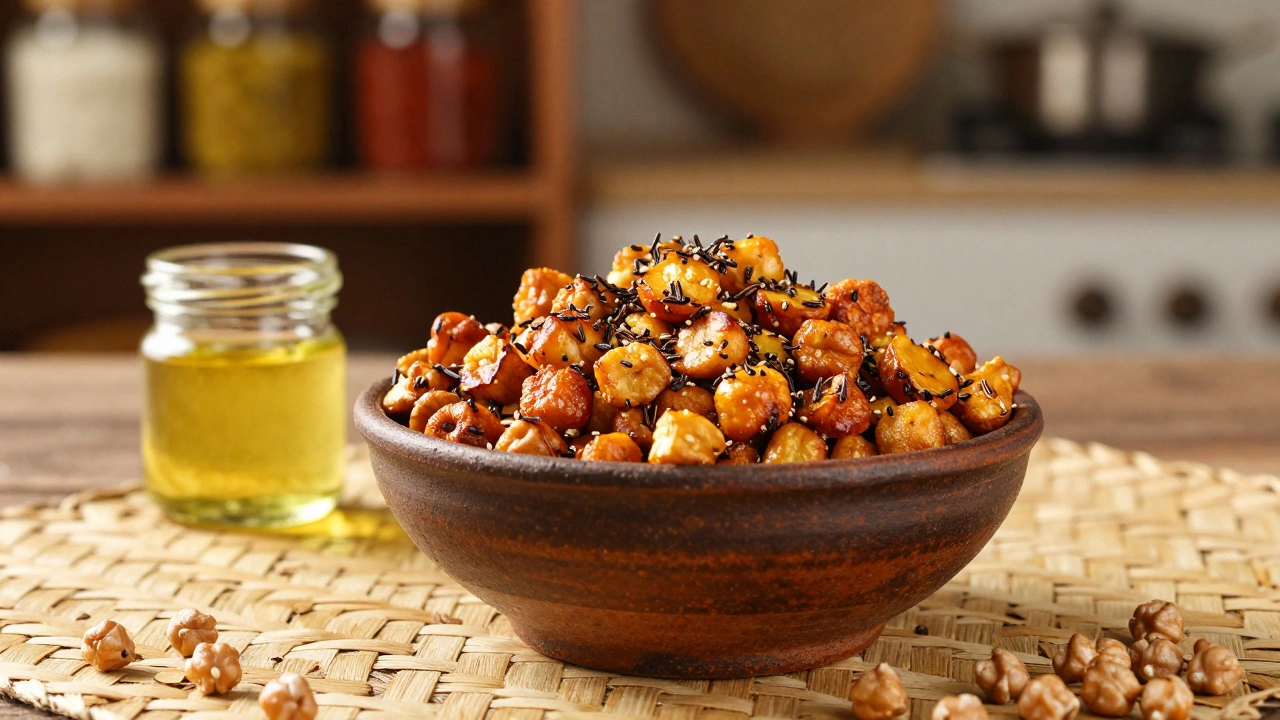
Roasted chickpeas-known as chana-are the original trail mix. They’re cheap, shelf-stable, and loaded with both protein and fiber. A 1/2 cup serving gives you 7 grams of protein and 5 grams of fiber. That’s more than a small yogurt cup, without the sugar.
What makes roasted chana special is its texture. The crunch triggers chewing signals that your brain interprets as fullness. It’s why people who snack on nuts or roasted legumes eat less overall. In a 2023 trial in Mumbai, adults who replaced afternoon biscuits with roasted chana cut their daily calorie intake by 18% without even trying.
Make your own: Toss dried chickpeas with cumin, black salt, and a drop of sesame oil. Roast at 200°C for 30-40 minutes until crisp. Store in an airtight jar. They last for weeks. Keep a small bag in your bag, your desk drawer, your car. No fridge needed.
Sprouted Moong Salad: The Quick Fix That Actually Nourishes
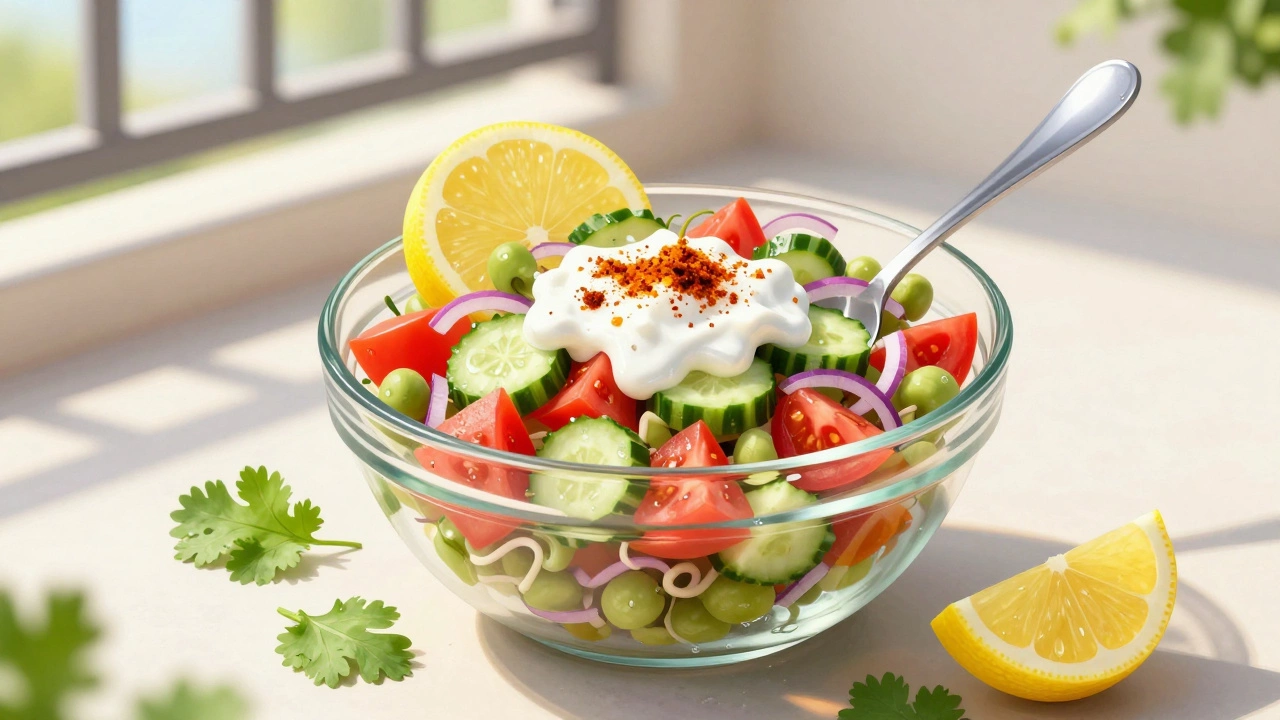
Sprouting legumes unlocks nutrients your body can’t access in dry form. Sprouted moong has 30% more protein and 2x the vitamin C than unsprouted. It’s also easier to digest, which means less bloating.
Make a salad: Rinse 1 cup sprouted moong, toss with chopped tomato, cucumber, red onion, lemon juice, and a sprinkle of chaat masala. Add a spoon of plain yogurt if you want creaminess. No cooking. No oil. Just raw, crunchy, and packed with water and fiber.
This snack is perfect for hot afternoons. The water content keeps you hydrated. The fiber fills your gut. The lemon boosts iron absorption. And because it’s raw, your body doesn’t need to work hard to digest it-so you don’t feel sluggish.
Poha: The Forgotten Power Snack
Poha is flattened rice, often dismissed as just a breakfast dish. But when made right, it’s one of the most balanced snacks you can eat. It’s low glycemic, thanks to the fiber from added peanuts and curry leaves. A typical serving has 8 grams of protein, 3 grams of fiber, and healthy fats from peanuts.
Don’t cook it with too much oil. Sauté onions, mustard seeds, turmeric, and curry leaves in 1 teaspoon of oil. Add poha and a splash of lemon. Stir gently. Top with fresh coriander and roasted peanuts. It’s warm, savory, and deeply satisfying.
Unlike oatmeal or toast, poha doesn’t turn to paste in your stomach. It holds its shape, gives you steady energy, and leaves you feeling light-not stuffed. It’s the snack you eat when you need something warm but don’t want to weigh down your day.
Vegetable Cutlets (Baked, Not Fried)
Most cutlets are deep-fried dough balls with a hint of potato. But you can make them healthy. Mash boiled potatoes with grated carrots, peas, spinach, and a touch of oats. Bind with a beaten egg or flaxseed meal. Shape into patties. Bake at 180°C for 20 minutes.
Each cutlet gives you 5 grams of fiber, 4 grams of protein, and vitamins A and C. The oats add soluble fiber, which forms a gel in your gut and slows digestion. The vegetables add volume without calories. You get the comfort of a fried snack without the grease.
Make a batch on Sunday. Freeze them. Reheat in the oven or air fryer. Eat with tamarind chutney or plain yogurt. They’re the snack you can feel good about eating after a long day.
Why These Snacks Work When Others Don’t
These snacks share three traits:
- Whole ingredients-no additives, no hidden sugars, no preservatives.
- High fiber + protein combo-this is the golden pair for satiety.
- Low glycemic load-they don’t spike your blood sugar, so you don’t crash.
Western snacks focus on calories. Indian tradition focuses on energy quality. You don’t just eat to fill your stomach-you eat to fuel your body. That’s why these snacks don’t just satisfy hunger. They reduce cravings.
What to Avoid
Even "healthy" Indian snacks can backfire:
- Samosas-even if they’re baked, they’re usually made with refined flour and loaded with fat.
- Medu Vada-fried lentil doughnuts. High in carbs, low in fiber.
- Chikki-jaggery and nut bars. Sugar is still sugar, even if it’s natural.
- Store-bought murukku-often fried in reused oil and packed with sodium.
Homemade is always better. If you’re buying, check the label. If you can’t pronounce the ingredients, skip it.
How to Build Your Own Filling Snack Routine
Start simple:
- Keep roasted chana and sprouted moong in your pantry.
- Make a big batch of moong dal chilla on Sunday and eat them cold through the week.
- Swap afternoon chips for a small plate of poha.
- Carry a ziplock with 2 baked cutlets for emergencies.
You don’t need to overhaul your diet. Just replace one snack a day. In two weeks, you’ll notice fewer cravings, more energy, and better focus.
Real People, Real Results
A teacher in Pune swapped her daily cookie break for roasted chana. She lost 3 kg in 6 weeks-not by dieting, but by stopping the hunger cycle. A student in Hyderabad replaced his evening samosa with sprouted moong salad and stopped feeling sleepy after lunch. A construction worker in Lucknow carries a thermos of warm poha to his site. He says, "I don’t need a nap anymore. I just need my snack."
This isn’t about being perfect. It’s about choosing snacks that work with your body, not against it.
Are Indian snacks really healthier than Western ones?
Not all, but many traditional Indian snacks use whole grains, legumes, and spices that naturally promote fullness. Western snacks often rely on refined flour, sugar, and hydrogenated oils. Indian snacks like roasted chana, moong dal chilla, and sprouted salads offer protein and fiber without added sugar. It’s not about origin-it’s about ingredients.
Can I eat these snacks if I’m trying to lose weight?
Absolutely. These snacks are low in calories but high in nutrients that reduce hunger. One serving of roasted chana has about 150 calories but keeps you full for hours. That means you’re less likely to overeat at meals. Weight loss isn’t about eating less-it’s about eating smarter. These snacks help you do that.
Do I need special equipment to make these snacks?
No. A pot, a griddle, and an oven or air fryer are enough. Sprouting moong just needs a jar and a cloth. Roasting chana needs a baking sheet. You don’t need fancy gadgets. Indian home cooking has always been about simplicity. You already have what you need.
How long do these snacks last?
Roasted chana and baked cutlets last up to 2 weeks in an airtight container. Moong dal chilla keeps for 3 days in the fridge. Sprouted moong salad is best eaten fresh but can be stored for 1 day. Plan ahead-make a batch on the weekend, and you’ll have healthy snacks ready all week.
Are these snacks good for kids?
Yes. Kids love the crunch of roasted chana and the mild flavor of poha. Moong dal chilla can be shaped into fun bites. Sprouted moong adds color and texture to salads. These snacks give children steady energy for school without the sugar crashes. They’re far better than packaged snacks or juice boxes.
Next Steps
Start tomorrow. Open your pantry. Find a bag of chickpeas or a container of moong dal. Make one snack. Eat it slowly. Notice how you feel an hour later. If you feel calm, not hungry, you’ve found your new go-to.
Healthy snacking isn’t about restriction. It’s about choosing foods that work for you. In India, they’ve known this for centuries. You don’t need a diet. You just need the right snack.