Dal Ingredient & Recipe Finder
Confused by the grocery store labels? Select what you have (or want) to find its Indian name, texture profile, and best use case.
Result Name
US Equivalent:
Best For:
Quick Prep Tips
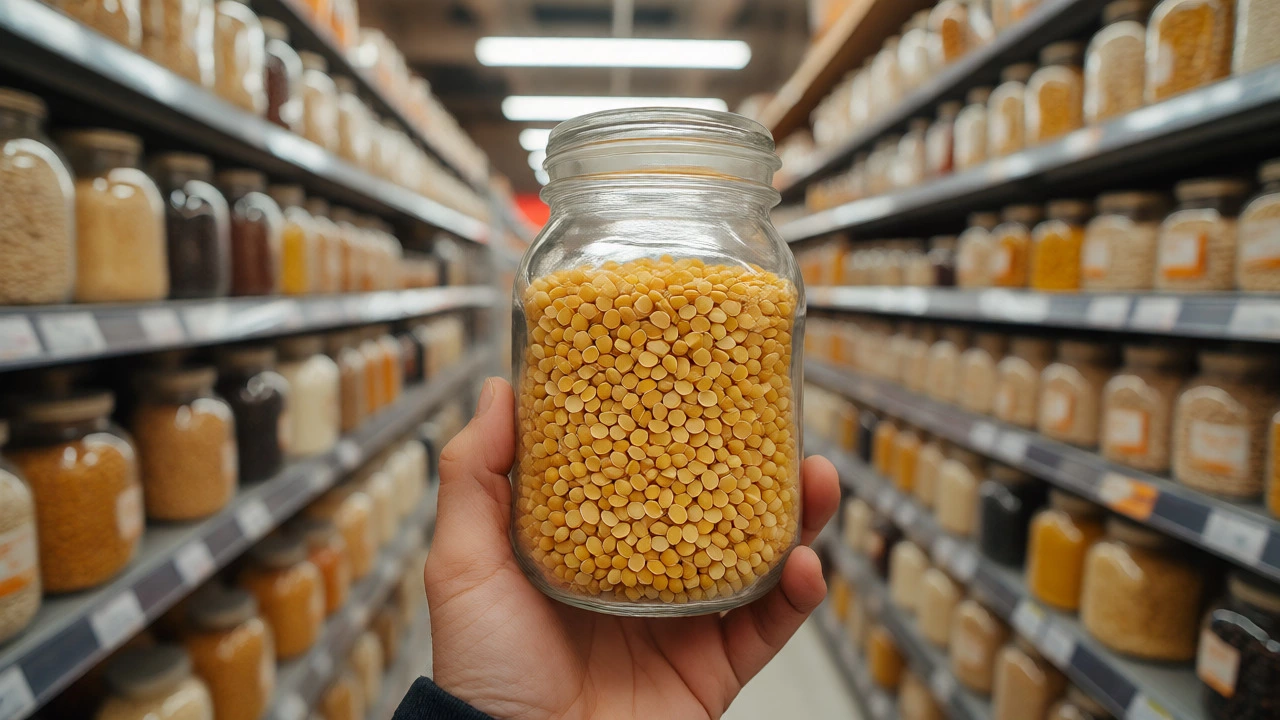
You’re standing in an American grocery store, staring at a bag of yellow split peas. You know they look like the stuff your mom or grandmother used to make that creamy, comforting bowl of dal, but you aren’t sure if it’s the same thing. Or maybe you’ve heard friends talk about "dal" as if it’s a specific dish, not just a type of bean, and you’re confused. Here is the truth: dal isn’t one single recipe. It’s a category of dishes made from dried, split pulses-usually lentils or beans-that have been cooked down until they are soft and often tempered with spices.
If you live in the US, you have everything you need to make authentic-tasting dal right now. You don’t need to fly to India or hunt for exotic ingredients at a specialty store. The key is understanding which lentils to buy, how to prep them, and why Americans often get the texture wrong. Let’s clear up the confusion so you can whip up a pot of this protein-packed comfort food tonight.
Dal vs. Lentils: What’s the Difference?
This is the biggest hurdle for beginners. In the US, we categorize legumes by their botanical name: red lentils, green lentils, black-eyed peas. In South Asian cuisine, these are all called dal (or daal). So, when someone asks "what is dal," they are asking for a preparation method, not just an ingredient.
Think of it this way: A potato is an ingredient. French fries are a dish. Similarly, a red lentil is an ingredient. Tadka Dal is the dish. However, in casual conversation, people often use the word "dal" to refer to the raw split lentils themselves. If you see a bag labeled "Yellow Moong Dal," it means split mung beans. If you see "Masoor Dal," it means red lentils.
| Indian Name | US Equivalent | Texture When Cooked | Best For |
|---|---|---|---|
| Toor Dal | Split Pigeon Peas | Thick, slightly grainy | Sambar, thick soups |
| Moong Dal | Split Mung Beans | Creamy, smooth | Light dinners, khichdi |
| Masoor Dal | Red Lentils | Mushy, breaks down fast | Quick weeknight meals |
| Chana Dal | Split Chickpeas | Firm, nutty | Soups, curries |
Finding the Right Ingredients in America
You might think you need an Indian grocery store to start. You don’t. Most mainstream chains like Walmart, Target, Kroger, or Whole Foods stock the basics. Look for the "International" aisle or the bulk bins. If you can’t find pre-split dals, whole lentils work too, though they take longer to cook.
- Red Lentils: These are the easiest entry point. They cook in 15 minutes. No soaking required. They break down completely, creating a natural thickener without needing flour or cornstarch.
- Yellow Split Peas: Often found near the canned goods or in the dry bean section. These are similar to moong dal but hold their shape better. Great for heartier soups.
- Ghee vs. Butter: Authentic dal uses ghee (clarified butter) for tempering. You can buy ghee at most health food stores or make it yourself by melting unsalted butter and skimming off the milk solids. Regular butter works in a pinch but burns faster.
- Spices: You likely already own turmeric, cumin seeds, and chili powder. You might need to grab asafoetida (hing). It smells pungent raw but tastes like onion/garlic when fried. A tiny pinch goes a long way.
The Secret to Creamy Texture Without Dairy
Many Americans add heavy cream or coconut milk to their lentil soups to make them rich. Traditional dal gets its creaminess from two things: starch release and fat emulsion. When you boil split lentils, they release starch. If you stir vigorously or use an immersion blender briefly, that starch creates a velvety body. Then, you swirl in ghee or oil. This fat coats the tongue, making the soup feel luxurious rather than watery.
Here is a pro tip: Do not salt your lentils at the very beginning if you want them to break down quickly. Salt can toughen the skins of some pulses. Add salt once the lentils are soft. For red lentils, this matters less, but for chana dal or toor dal, wait until they are tender.
A Simple "American-Style" Dal Recipe
This recipe uses red lentils because they are forgiving and fast. It’s designed for a busy Tuesday night when you don’t want to soak beans overnight.
- Rinse well: Place 1 cup of red lentils in a mesh strainer. Rinse under cold water until the water runs clear. This removes dust and excess starch that causes foaming.
- Simmer: Combine rinsed lentils, 3 cups of water (or vegetable broth for more flavor), and ½ teaspoon of turmeric in a pot. Bring to a boil, then reduce heat to low. Simmer uncovered for 15-20 minutes until the lentils fall apart.
- Season: Stir in 1 teaspoon of salt and ½ teaspoon of garam masala. If using garam masala, check the label-some brands are spicy, others are sweet. Adjust to taste.
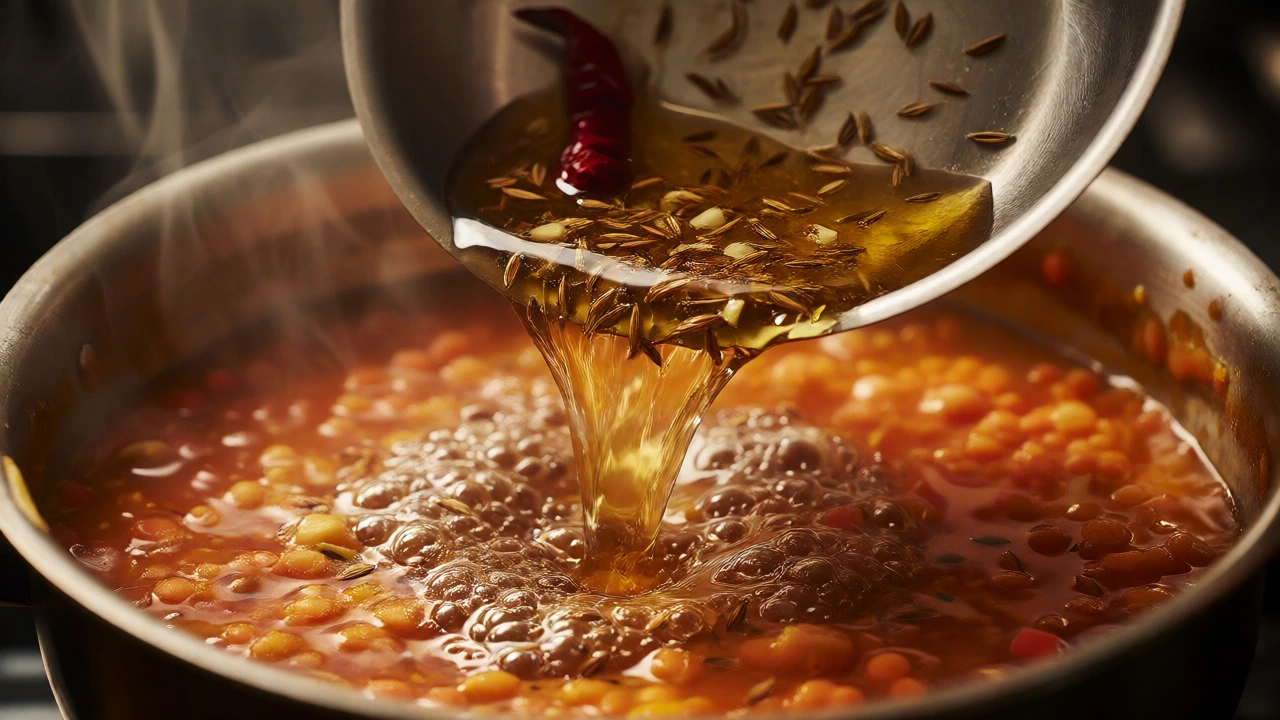
- The Tadka (Tempering): This is where the magic happens. Heat 2 tablespoons of ghee or oil in a small pan over medium heat. Add 1 teaspoon of cumin seeds. Wait until they sizzle and turn golden brown (about 30 seconds). Add 1 minced garlic clove and 1 dried red chili. Fry for 10 seconds until fragrant. Pour this hot oil mixture directly into the simmering dal. Listen for the sizzle! That sound is the aroma locking in.
- Finish: Stir in a handful of chopped fresh cilantro and a squeeze of lemon juice. The acid brightens the earthy flavors.
Why Your Dal Might Taste Bland
If your dal tastes like plain boiled beans, you skipped the aromatics. Spices in Indian cooking are fat-soluble. Throwing ground cumin powder into boiling water does little. You must bloom spices in hot oil or ghee first. This process, called tadka or baghar, releases essential oils that infuse the entire pot.
Another common mistake is lack of acidity. Lentils are naturally flat and earthy. They need a counterpoint. Lemon juice, tamarind paste, or even a splash of vinegar wakes up the palate. Don’t be shy with the lemon. It shouldn’t taste sour; it should taste balanced.
Pairing Dal with American Pantry Staples
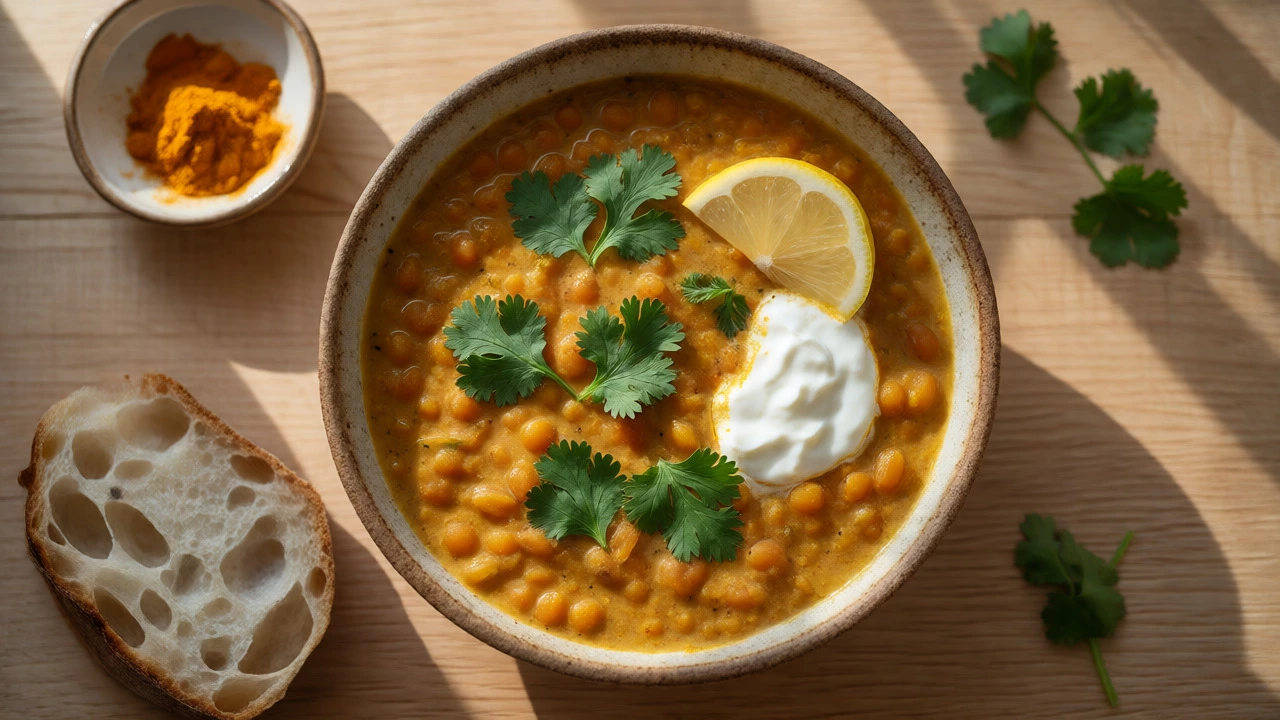
In India, dal is eaten with roti (flatbread) or rice. In the US, you might not have a tawa or pressure cooker. That’s fine. Serve your dal over white basmati rice, which you can cook in a rice cooker. Or, skip the bread entirely and treat it like a hearty soup. Pair it with crusty sourdough bread for dipping. Some people love adding a dollop of Greek yogurt on top instead of raita-it adds protein and cools the spice.
For a complete meal, ensure you have enough carbs and fats. Dal alone is high in protein and fiber but low in calories. Adding a side of roasted vegetables or a simple salad with olive oil dressing makes it nutritionally complete.
Storage and Reheating Tips
Dal actually tastes better the next day. The flavors meld together while sitting in the fridge. Store leftover dal in an airtight container for up to 4 days. It thickens significantly in the fridge due to continued starch absorption. When reheating, add a splash of water or broth to loosen it up. Microwave-safe containers work best, but stovetop reheating gives you control over consistency.
Can you freeze it? Yes. Red lentil dal freezes well for up to 3 months. Toor dal can become slightly grainy after freezing, so eat those within a month if possible. Label your containers with the date-lentil soup looks identical whether it’s from last week or last year.
FAQs About Making Dal in the USA
Is dal gluten-free?
Yes, pure dal made from lentils, beans, or peas is naturally gluten-free. However, always check packaged spice mixes for anti-caking agents or fillers that might contain wheat. Homemade spice blends using individual jars of cumin, coriander, and turmeric are safe.
Do I need to soak lentils before cooking?
Not for red or yellow split lentils. They cook quickly without soaking. For whole lentils like black gram (urad dal) or chickpeas (chana), soaking for 6-8 hours reduces cooking time and improves digestibility by breaking down complex sugars that cause gas.
What is the difference between dal and soup?
While both are liquid-based, dal is defined by its base of split pulses and the technique of tempering spices in fat. Western lentil soup often relies on a mirepoix (onions, carrots, celery) sautéed in oil as the flavor base. Dal focuses on whole spices bloomed in ghee and finished with fresh herbs and acid.
Can I use canned lentils?
You can, but the texture won't be as creamy. Canned lentils are already fully cooked and firm. To mimic dal, you'd need to blend part of them and add extra starch or cook them longer in the spiced broth. Fresh dried lentils offer better control over the final consistency.
Where do I buy asafoetida (hing)?
Check the international aisle of large supermarkets like Walmart or Kroger. If unavailable, online retailers carry it cheaply. Alternatively, many Indian grocery stores sell it. Note: Hing is potent. Use only a pinch (1/8 teaspoon) per pot, as it can overpower the dish if used excessively.