The Mystery of the Jars in the Aisle
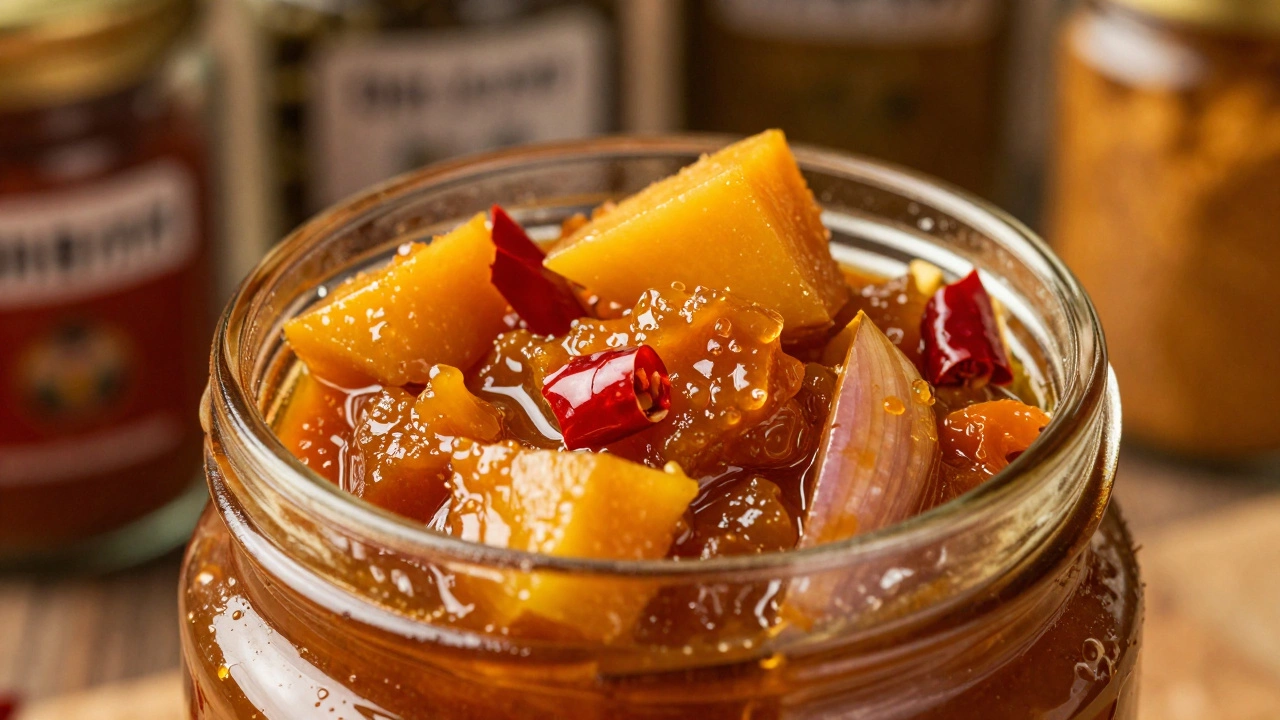
If you walk into a typical American supermarket today, grab a jar of chutney, and peek inside, you are seeing a culinary hybrid. Unlike in India, where chutney might be a raw, blended paste served immediately with street food, or in the UK, where it leans heavily into a spiced vinegar pickle, the American version occupies a unique middle ground. In the US, chutney is mostly recognized as a condiment for sandwiches, cheese boards, or pairing with grilled meats. But what exactly fills those jars?
Core Ingredients: The Foundation of Flavor
To understand American chutney, we have to look at the three pillars that hold it together. Regardless of the brand or the specific flavor variant you buy on the shelf, almost every commercially produced chutney relies on the same basic formula.
Fruit Base is the primary component that gives chutney its texture and sweetness. Main Ingredient in the US context is usually Mango, though Apples, Peaches, Onions, and Tomatoes frequently appear. In 2026, you will also notice a rising trend toward exotic fruits like Passion Fruit or Pineapple appearing in specialty health-food aisles. These fruits provide the bulk. They are stewed down until they break apart, creating that thick, jam-like consistency that sticks to the back of your throat.
| Component Type | Typical Examples in US Products | Purpose |
|---|---|---|
| Fruit/Pulp | Mango, Peach, Onion, Tomato | Texture & Base Flavor |
| Acid | White Vinegar, Apple Cider Vinegar | Preservation & Tang |
| Sweetener | Cane Sugar, Honey, Brown Sugar | Balancing Acidity |
| Spice Blend | Ginger, Garlic, Chili, Cinnamon, Cloves | Heat & Aroma |
The Acid-Sugar Balance
You cannot have American-style chutney without vinegar. It serves two jobs here. First, it acts as a preservation agent, allowing the jarred product to sit on a pantry shelf for months without spoiling. Second, it provides the "punch" that cuts through the natural sweetness of the fruit. Most mass-market brands use distilled white vinegar because it is neutral and cheap, effectively letting the fruit flavor shine while keeping costs low for the consumer. However, premium or boutique brands found in places like Whole Foods or local artisanal markets often switch to Apple Cider Vinegar or even lime juice to give a more complex, fruity tartness.
Sugar comes next. American palates generally expect chutney to be sweeter than their South Asian counterparts. You will often find high-fructose corn syrup or pure cane sugar listed as a top ingredient, sometimes rivaling the amount of fruit used. If you are making your own at home, you can control this variable completely. Reducing the sugar turns the chutney into something closer to a relish or salsa rather than a candy-like condiment.
Spicing It Up: The Secret Weapon
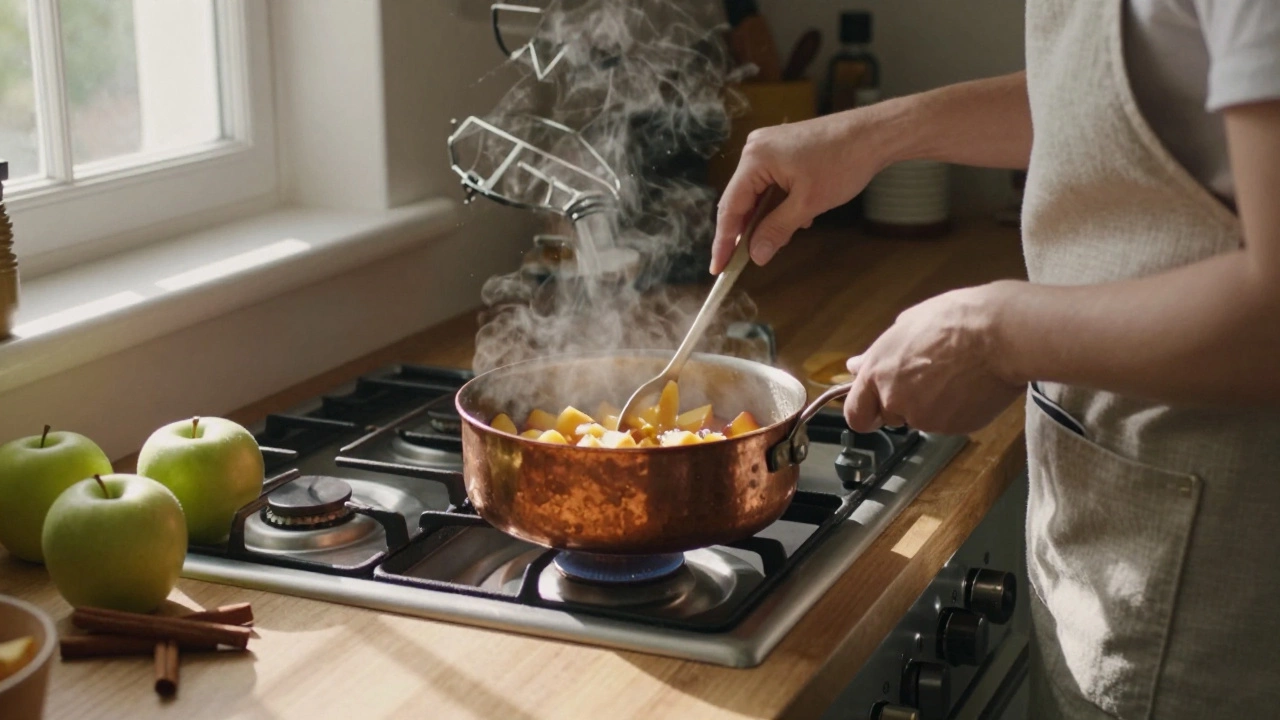
Spices are critical for adding heat and depth to the overall profile. The most common spices you will find in an American pantry chutney include dried ginger, cayenne pepper, and cloves. Fresh garlic is also increasingly common in modern formulations. The goal here isn't necessarily to burn your tongue like a Thai curry paste; it's to provide a background warmth. Think of the spice level like a slow-burn ember rather than a flame. In recent years, there has been a shift toward "fusion" spices. For example, you might find jalapeño peppers replacing dried chili in West Coast brands, or smoked paprika being added to give a barbecue vibe.
Regional Variations Within the US
Although you might think of the US as a monolith, geography changes what ends up in the jar. If you are shopping in Chicago or the Midwest, you are more likely to find Onion Chutney or Cranberry-Ginger variations, reflecting local agricultural abundance and colder-climate preserving traditions. Moving to California, the focus shifts toward tropical and fresh flavors like Mango-Jalapeño or Pineapple-Chipotle, aligning with the warmer climate and diverse immigrant populations who bring authentic techniques from Southeast Asia.
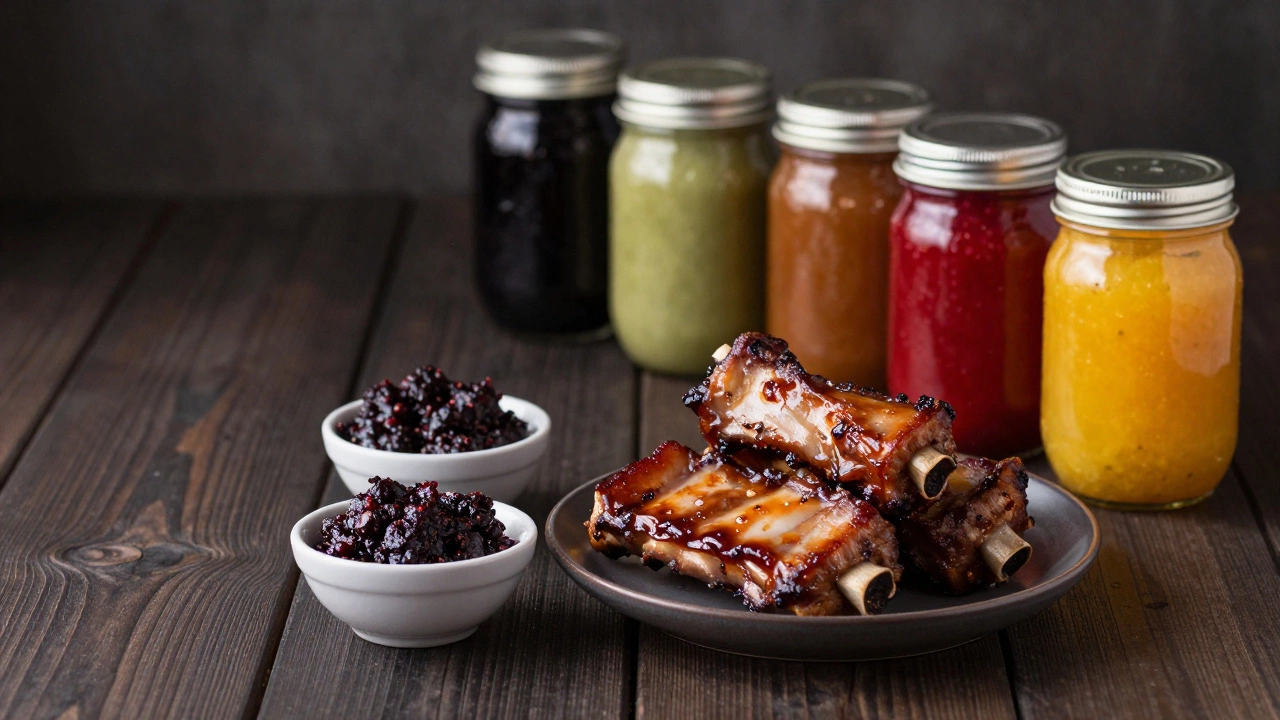
In Southern states, chutney often borrows from BBQ culture. You'll see labels promising "BBQ Style Chutney" which uses tomatoes and onions as a base rather than mango. These versions mimic the flavor of a glaze for ribs or pulled pork, using molasses and brown sugar to deepen the color and taste.
How to Make Your Own at Home
Making chutney in an American kitchen is surprisingly simple. You don't need a specialized pressure cooker or industrial equipment. Here is the basic framework most home cooks use to recreate that jarred taste with fresher ingredients.
- Select your fruit: Chop unripe mangoes, green apples, or firm peaches into small cubes. Unripe fruit holds its shape better during cooking.
- Add acidity early: Pour vinegar (white or cider) over the fruit before heating. This helps the pectin set faster.
- Simmer slowly: Bring the mixture to a boil, then reduce heat. Cook until the liquid reduces by half. This concentrates the flavor.
- Season at the end: Add salt and sugar in the last 10 minutes so you can taste and adjust.
- Jar while hot: Sterilize glass jars and pour the hot chutney in. Seal immediately.
Dietary Trends in 2026
If you browse grocery shelves in 2026, you will notice a significant push toward "clean label" chutneys. Consumers are demanding no artificial preservatives. Brands are moving away from Sodium Benzoate and Potassium Sorbate, relying instead on the high-acid environment created by vinegar and sugar to keep the product safe. Furthermore, there is a rise in Keto-friendly options. Traditional chutney is high in carbs due to fruit and sugar. Newer entries replace sugar with Erythritol or Stevia, creating a zero-sugar chutney that mimics the sweetness without the glycemic spike. While purists argue these lack the proper mouthfeel of real sugar, they open up chutney to a wider audience.
Gluten-free labeling is now standard practice. Because traditional thickeners sometimes involved flour or starch, many products now proudly advertise "Gluten-Free" status to accommodate celiac concerns, even if wheat was never an intended ingredient. Another emerging category is "Fermented Chutneys." Instead of boiling the fruit immediately, some producers allow a short fermentation period. This introduces beneficial probiotics similar to kimchi, giving the chutney a tangier, funkier flavor profile that appeals to gut-health-conscious eaters.
What is the main difference between American chutney and Indian chutney?
American chutney is typically cooked, sweetened with sugar, and preserved in vinegar or syrup. Indian chutneys vary widely but often include raw, crushed herbs (like cilantro), coconut, or fermented vegetables that are served fresh and kept refrigerated.
Is chutney gluten-free?
Most chutneys are naturally gluten-free as they consist of fruit, vinegar, sugar, and spices. Always check the label for thickeners or cross-contamination warnings if you have severe sensitivities.
How long does homemade chutney last?
Properly canned homemade chutney can last 12 months in a cool pantry. Once opened, transfer leftovers to the refrigerator and consume within one month for the best flavor.
Can I use chutney as a marinade?
Yes, the sugar and acid content makes chutney excellent for marinating chicken or lamb. Brush it on during the last few minutes of grilling to prevent burning.
What fruits work best for chutney?
Firm, fibrous fruits like mango, apple, pear, and fig work best. Very soft fruits like berries tend to turn into mush unless specifically prepared for sauces.