Curry Powder Builder & Flavor Explorer
Click on a spice below to learn its specific role in creating that familiar warm, earthy flavor. Then, use the builder to create your own ideal blend.
Turmeric
Color & Earthiness
Coriander
Body & Citrus Notes
Cumin
Warmth & Savory Depth
Fenugreek
Sweet Complexity
Chili
Heat & Color
Reset Info
Clear Selection
Select a Spice
Tip:
Build Your Custom Blend
Adjust the sliders to see how changing ratios affects the predicted flavor profile. This simulates a standard commercial mild curry powder base.
Predicted Flavor Profile
You stare at that jar of yellow powder labeled "Curry Powder" and wonder what’s actually inside. Is it magic dust? Nope. It is just a mix of dried plants. But here is the thing: there is no single official list of five spices for every curry in the world. If you ask ten different cooks in India, you will get ten different answers. However, most standard commercial curry powders and basic home blends rely on a core group of aromatics to create that familiar warm, earthy flavor.
Most people think curry is one specific dish. It is not. It is a technique. It involves simmering food in a sauce made from these spices. The "five spices" question usually points to the base layer of heat and aroma found in many Western-style curry powders or simple Indian masalas. Let’s break down the heavy hitters that show up in almost every blend you buy at the supermarket.
The Core Five: What Usually Makes the Cut
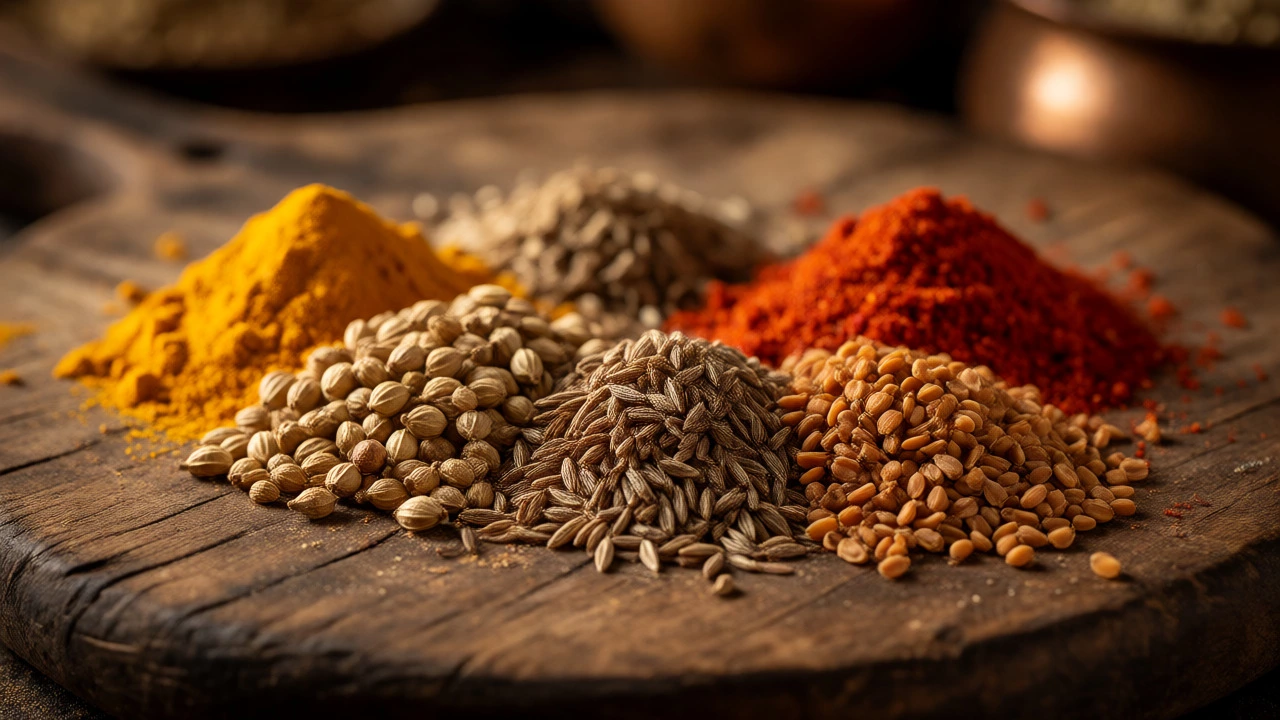
If you open a generic bottle of mild curry powder, you are likely looking at a blend dominated by turmeric, coriander, cumin, fenugreek, and chili. These aren’t random picks. They work together. Turmeric gives color. Coriander adds citrus notes. Cumin brings warmth. Fenugreek provides depth. Chili adds kick. Here is how they function individually.
Turmeric is a bright yellow root related to ginger that contains curcumin, giving curry its signature golden hue and mild earthy taste. You cannot have yellow curry without it. It stains everything-your fingers, your wooden spoons, your white shirts. In small amounts, it tastes peppery and slightly bitter. In large amounts, it can taste like dirt. Balance is key. Most beginners use too much because they want that vibrant yellow look, but they end up with a bitter sauce. Stick to half a teaspoon for a standard chicken curry serving four people.
Coriander Seeds are the dried fruit of the cilantro plant, offering a sweet, nutty, and lemony flavor profile that balances the heat of other spices. When you grind them fresh, they smell amazing. When you buy pre-ground powder, that scent fades fast. This is why grinding your own spices makes such a huge difference. Coriander acts as a binder in the flavor profile. It smooths out the sharp edges of cumin and chili. If your curry tastes harsh, you probably need more ground coriander.
Cumin Seeds are small, brown seeds known for their warm, earthy, and slightly bitter flavor, essential for the savory depth of Indian dishes. They are the backbone of many savory dishes, not just curry. Toasting them lightly in oil before adding onions releases their oils. Raw cumin powder can taste dusty. Toasted cumin tastes rich. Always bloom your cumin in hot oil or ghee. This step transforms it from a dry ingredient into a flavorful foundation.
Fenugreek (Methi) is an herb seed with a distinct maple-syrup-like aroma and bitter undertone, often used in small quantities to add complexity. This is the secret weapon. Many store-bought curry powders skip this because it is potent. Too much fenugreek ruins a dish instantly. It smells like burnt sugar or maple syrup when heated. In a curry, it adds a subtle sweetness that lingers after the swallow. Use it sparingly. A quarter teaspoon is plenty for a pot of curry.
Chili Powder is ground dried chilies that provide capsaicin-based heat and varying levels of smokiness depending on the pepper variety. Not all chili powder is the same. Cayenne is hot and neutral. Kashmiri chili is mild and red. Paprika is sweet and orange. For a standard curry, you want heat without overwhelming flavor. If you use cayenne, start small. If you use Kashmiri, you can be generous because it mostly adds color and mild warmth.
Why "Five" Is a Myth (But Useful)
Strictly speaking, authentic regional curries rarely stick to exactly five spices. A Bengali fish curry might use panch phoron, which is a whole spice mix of fenugreek, nigella, fennel, mustard, and cumin. A South Indian sambar uses curry leaves and tamarind, which aren't even in the top five list above. So why do we talk about five?
Because convenience. Commercial brands standardized a blend that works for meat, vegetables, and lentils. It is a jack-of-all-trades. When you follow a recipe that says "1 tablespoon curry powder," it assumes this standard mix exists. Knowing these five lets you make your own version if you run out of powder. It also helps you troubleshoot. Does your curry taste flat? Add cumin. Does it taste bitter? Reduce turmeric or fenugreek. Does it lack body? Add coriander.
How to Build Flavor Beyond the Basics
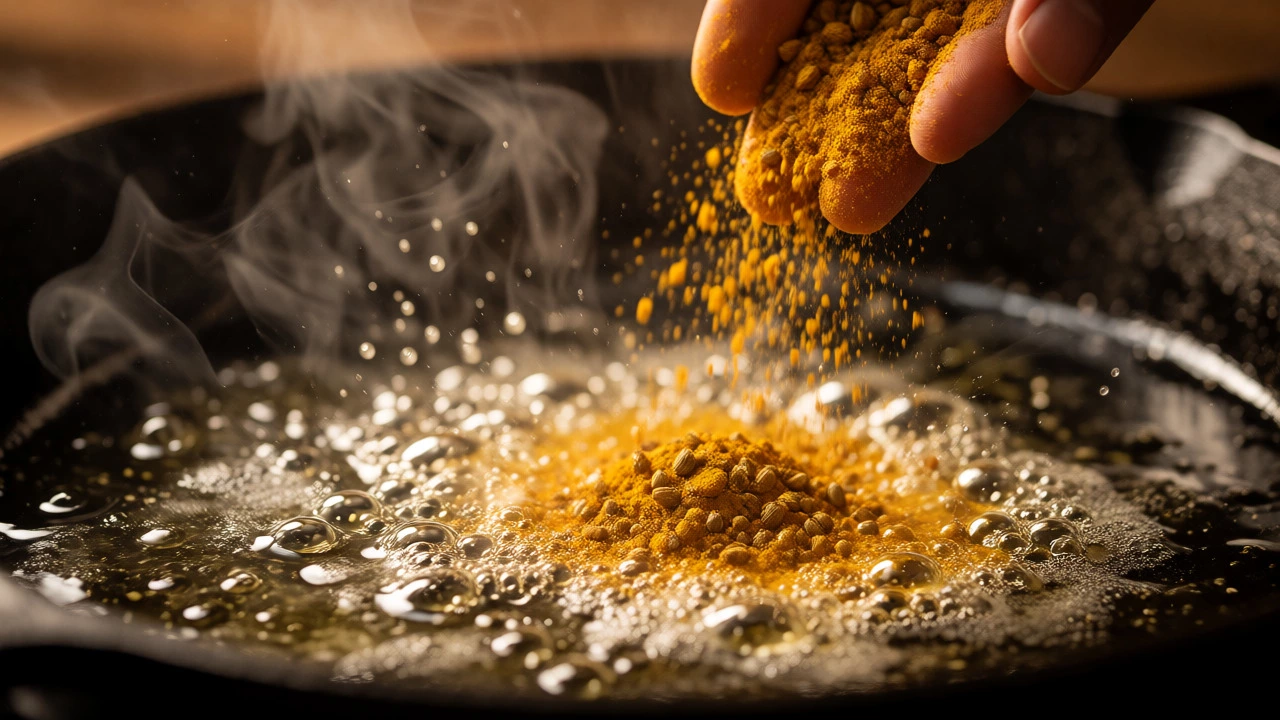
Spices alone don’t make a great curry. You need a vehicle for those flavors. That vehicle is fat and time. Dry spices need to cook in oil or ghee to release their essential oils. If you throw powder into boiling water, it tastes raw and chalky.
- Bloom the spices: Heat oil, add whole spices first (like bay leaves or cinnamon), then add ground spices. Stir constantly for 30 seconds until fragrant. Do not burn them.
- Use aromatics: Onions, garlic, and ginger are non-negotiable for most curries. They provide sweetness and moisture that bind the dry spices to the sauce.
- Acidity matters: A squeeze of lemon juice or a splash of yogurt at the end brightens the heavy earthy notes of cumin and turmeric.
Think of the spices as the melody, but the onions and tomatoes as the rhythm section. Without the rhythm, the melody sounds thin. If you are making a chicken curry, marinate the chicken in yogurt and some of these spices beforehand. The acid in the yogurt tenderizes the meat while letting the spices penetrate deep into the fibers.
Regional Variations: It’s Not Just One Mix
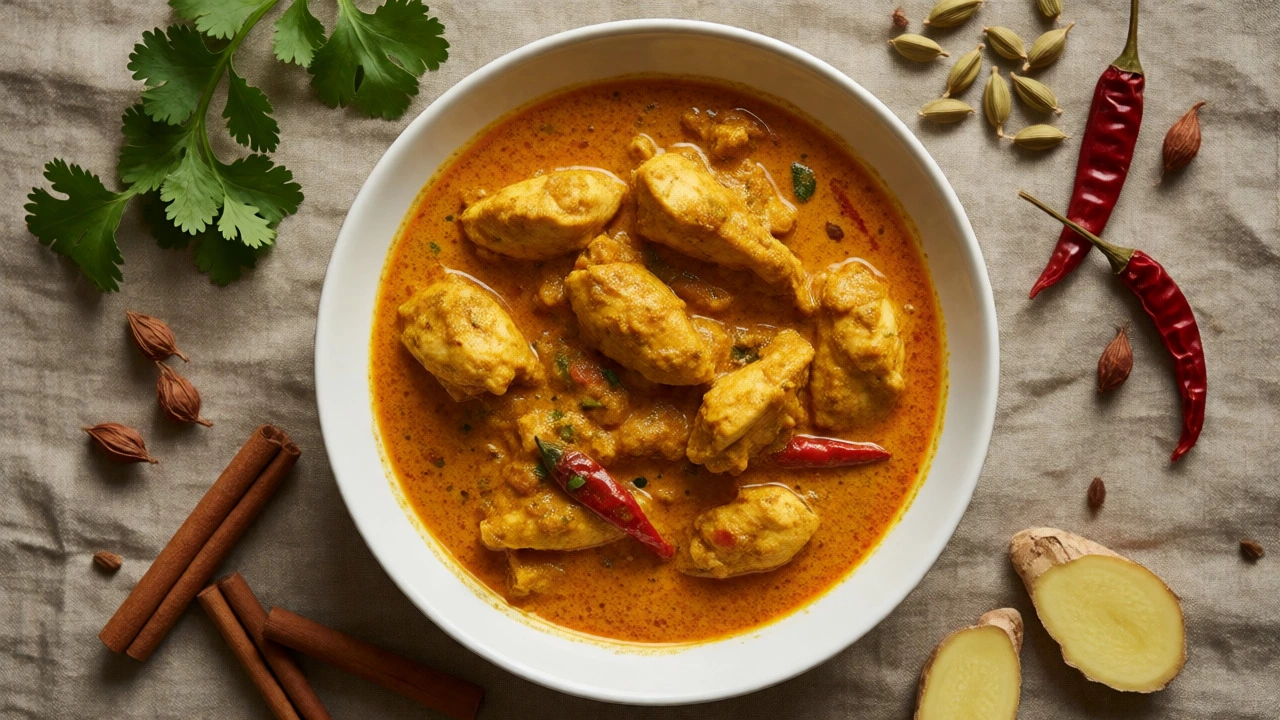
Understanding where these spices come from helps you respect the dish. Northern Indian curries tend to be creamier and milder, relying heavily on coriander and cashew pastes. Southern Indian curries are sharper, using more chili, mustard seeds, and curry leaves. Thai curries swap the dried powder for fresh pastes made with lemongrass, galangal, and kaffir lime leaves. They share the concept of layered heat, but the ingredients differ wildly.
When you buy "Indian Curry Powder" in New Zealand or Australia, it is often tailored to local palates, meaning less heat and more turmeric. Authentic North Indian garam masala, added at the end of cooking, is totally different. Garam masala focuses on warming spices like cardamom, cloves, and black pepper. It does not usually contain turmeric or chili. Mixing them up is a common mistake. Don’t confuse curry powder (cooked early) with garam masala (added late).
Practical Checklist for Your Next Curry
Before you start cooking, check your pantry. Spice potency dies quickly. Ground spices lose their punch within six months. Whole spices last years. If your cumin doesn’t smell strong when you crush it between your palms, throw it away. Old spices make old-tasting food.
| Spice | Primary Role | Best Time to Add |
|---|---|---|
| Turmeric | Color & Earthiness | With onions/garlic |
| Coriander | Body & Citrus Notes | With onions/garlic |
| Cumin | Warmth & Savory Depth | Bloomed in oil |
| Fenugreek | Sweet Complexity | Early stage (use little) |
| Chili | Heat & Color | To taste throughout |
Start with these five. Master them. Then expand. Add cinnamon sticks for dessert-like curries. Add cardamom pods for aromatic lift. Add mustard seeds for crunch and bite. Cooking is experimentation. Trust your nose more than the recipe card. If it smells good, it probably tastes good.
Is curry powder spicy?
Not necessarily. Most commercial curry powders range from mild to medium heat. The spiciness depends entirely on the type and amount of chili powder used in the blend. You can always add extra fresh green chilies or cayenne during cooking to increase the heat level to your preference.
Can I substitute curry powder with individual spices?
Yes, and it often tastes better. A basic homemade blend can be made by mixing 2 parts ground coriander, 1 part ground cumin, 1 part turmeric, and a pinch of chili powder. This allows you to control the intensity of each flavor component and ensures freshness.
What is the difference between curry powder and garam masala?
Curry powder is typically cooked at the beginning of the process to build the base flavor and often contains turmeric for color. Garam masala is a finishing spice blend, usually containing warming spices like cardamom, cloves, and cinnamon, added at the very end to preserve its delicate aroma.
Why does my curry taste bitter?
Bitterness usually comes from burning the spices or using too much turmeric or fenugreek. To fix it, ensure you bloom spices gently in low-medium heat without scorching. If the dish is already bitter, adding a pinch of sugar or a splash of coconut milk can help balance the harsh notes.
Do I need to toast whole spices before grinding?
Toasting whole spices in a dry pan for a minute or two before grinding significantly enhances their flavor. It drives off moisture and activates the essential oils, resulting in a more pungent and aromatic powder compared to grinding raw spices.