Chicken Curry Spice Calculator
Your Spice Blend
| Ingredient | Amount | Timing |
|---|
Flavor Profile:
Enter your chicken weight and preferences to generate a custom spice list.
Ever opened your spice drawer and felt completely lost? You have a jar of something brown, another with bright yellow powder, and maybe a bag of seeds that look like they belong in a garden, not a pot. You want to make a chicken curry that tastes like it came from a bustling street stall in Mumbai or a cozy home in Kerala, but you’re not sure which jars to grab. The good news is that you don’t need twenty different bottles to get started. You just need to know the right ones.
Cooking with curry isn’t about memorizing complex formulas. It’s about understanding how a few key players work together. Think of it like building a team. You have your foundation, your flavor boosters, and your finishing touches. Once you see them this way, cooking becomes less about guessing and more about creating.
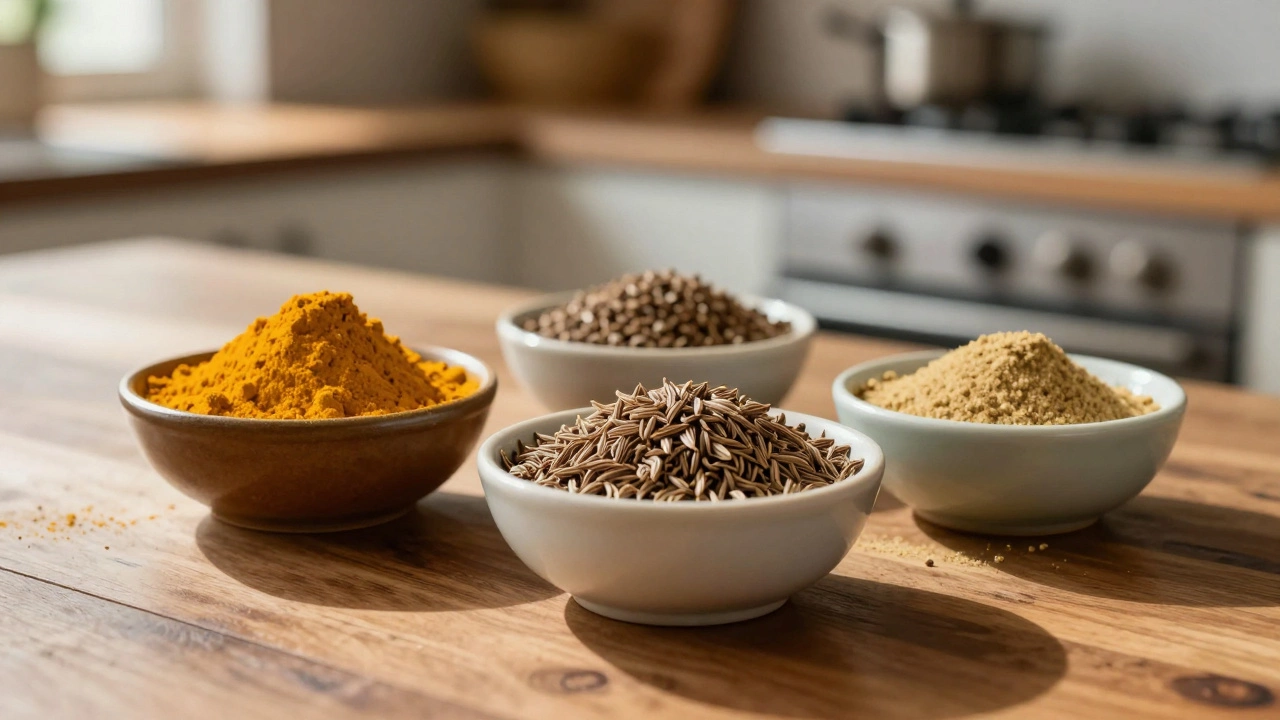
The Holy Trinity: Turmeric, Cumin, and Coriander
If you only buy three spices for your kitchen, make them these. They form the base of almost every Indian dish, including your favorite chicken curries. Without them, your food might taste flat or one-dimensional. With them, you get depth, color, and aroma.
Turmeric is a vibrant yellow root that provides earthy warmth and anti-inflammatory benefits. First, there is turmeric. This isn’t just for color; it adds a slightly bitter, peppery note that grounds the other flavors. In a chicken curry, turmeric gives that signature golden hue. Use about half a teaspoon per pound of meat. Don’t go overboard, or your curry will taste medicinal rather than delicious.
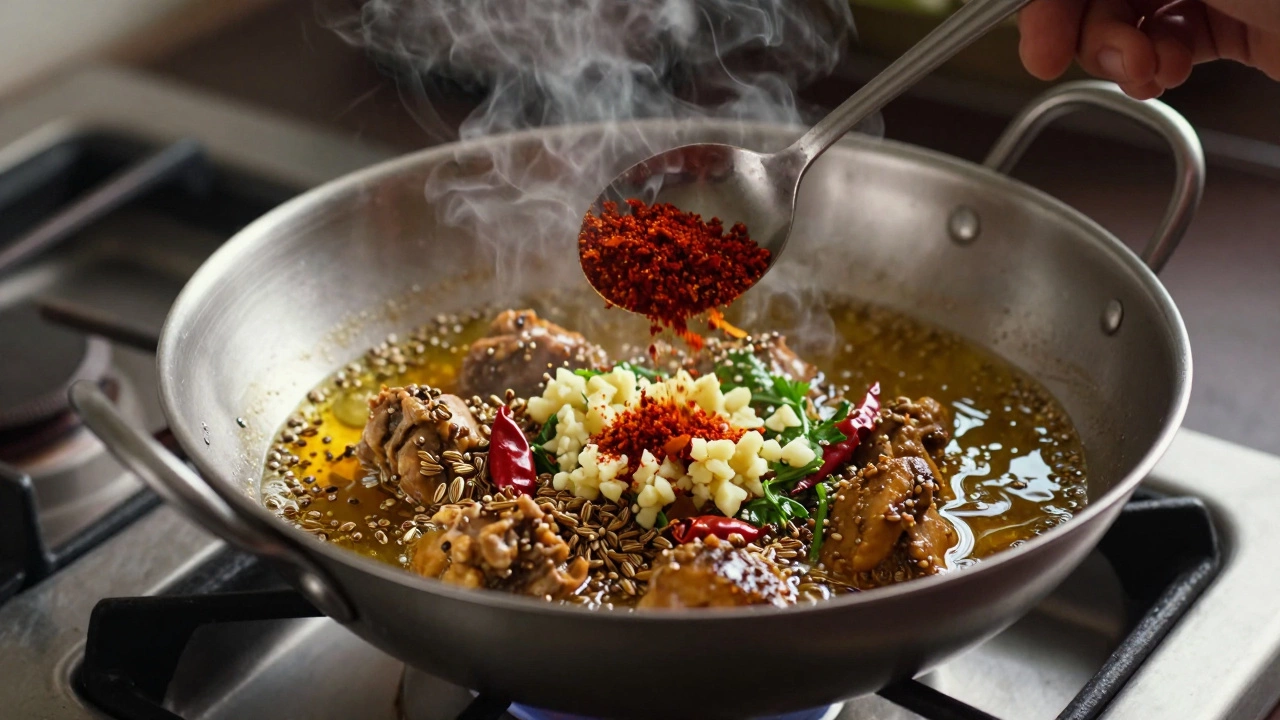
Next up is Cumin is an aromatic seed with a warm, nutty, and earthy flavor profile. cumin. Whether you use whole seeds or ground powder, cumin brings a smoky, earthy backbone to the dish. Whole cumin seeds sizzle beautifully when added to hot oil at the start of cooking-a technique called tempering. This releases their essential oils and infuses the entire dish with fragrance. Ground cumin works well too, but add it later in the cooking process to prevent burning.
Finally, we have coriander. Coriander is a citrusy, floral spice derived from dried coriander seeds. Ground coriander has a subtle lemony brightness that cuts through the richness of coconut milk or yogurt often used in curries. It balances the heaviness of the meat and the earthiness of the cumin. A tablespoon of ground coriander goes a long way in making your sauce feel lighter and more complex.
Garam Masala: The Warming Finisher
You’ve probably seen "garam masala" on menus everywhere. But what is it really? Garam means "hot" in Hindi, but it doesn’t mean spicy like chili peppers. It refers to warming spices. Garam masala is a blend, usually containing cinnamon, cardamom, cloves, black pepper, and sometimes nutmeg or mace.
The biggest mistake people make with garam masala is adding it at the beginning of cooking. Because these spices are delicate and aromatic, high heat destroys their flavor. Instead, stir a teaspoon of garam masala into your chicken curry during the last five minutes of cooking. This preserves its fragrant qualities and adds a sophisticated, warm finish that makes the dish feel complete.
| Spice | Primary Flavor Note | When to Add | Quantity (per lb chicken) |
|---|---|---|---|
| Turmeric | Earthy, Bitter | With onions/tomatoes | 1/2 tsp |
| Cumin | Nutty, Smoky | Start (whole) or Mid (ground) | 1 tsp |
| Coriander | Citrusy, Floral | Mid-cooking | 1 tbsp |
| Garam Masala | Warm, Aromatic | Last 5 minutes | 1 tsp |
Heat and Freshness: Chili Peppers and Garlic-Ginger Paste
A curry without heat can feel incomplete, but "heat" doesn’t always mean fire. You have options depending on how much kick you want. Red chili powder is the standard choice for both color and mild-to-medium heat. Kashmiri chilies are particularly popular because they offer a brilliant red color with less intense burn, allowing you to load up on color without overwhelming your palate.
If you prefer a fresher, sharper heat, use green chilies. Slit them lengthwise and toss them into the pot early on. They release a grassy, pungent heat that pairs wonderfully with chicken. For those who love serious spice, cayenne pepper or bird’s eye chilies can be added sparingly. Remember, you can always add more heat, but you can’t take it away once it’s in.
While not technically "spices" in the dried sense, garlic and ginger are non-negotiable in a great chicken curry. Most cooks use a paste made from equal parts fresh ginger and garlic. This combination provides a pungent, savory punch that bridges the gap between the aromatics (onions) and the spices. It adds moisture and intensity that dried powders simply can’t replicate. Blend two inches of ginger and four cloves of garlic with a splash of water until smooth, then add it after sautéing your onions.
Regional Twists: Changing the Profile
Curry isn’t a single dish; it’s a category. The spices you choose change based on where in India (or beyond) the recipe originates. Understanding these regional differences helps you tailor your chicken curry to your mood.
For a North Indian style curry, think rich, creamy, and tomato-based. Here, you’ll rely heavily on the garam masala blend, along with kasuri methi (dried fenugreek leaves). Crush the dried fenugreek leaves between your palms and sprinkle them over the finished dish. It adds a distinct, slightly bitter, maple-like aroma that defines many restaurant-style butter chicken recipes.
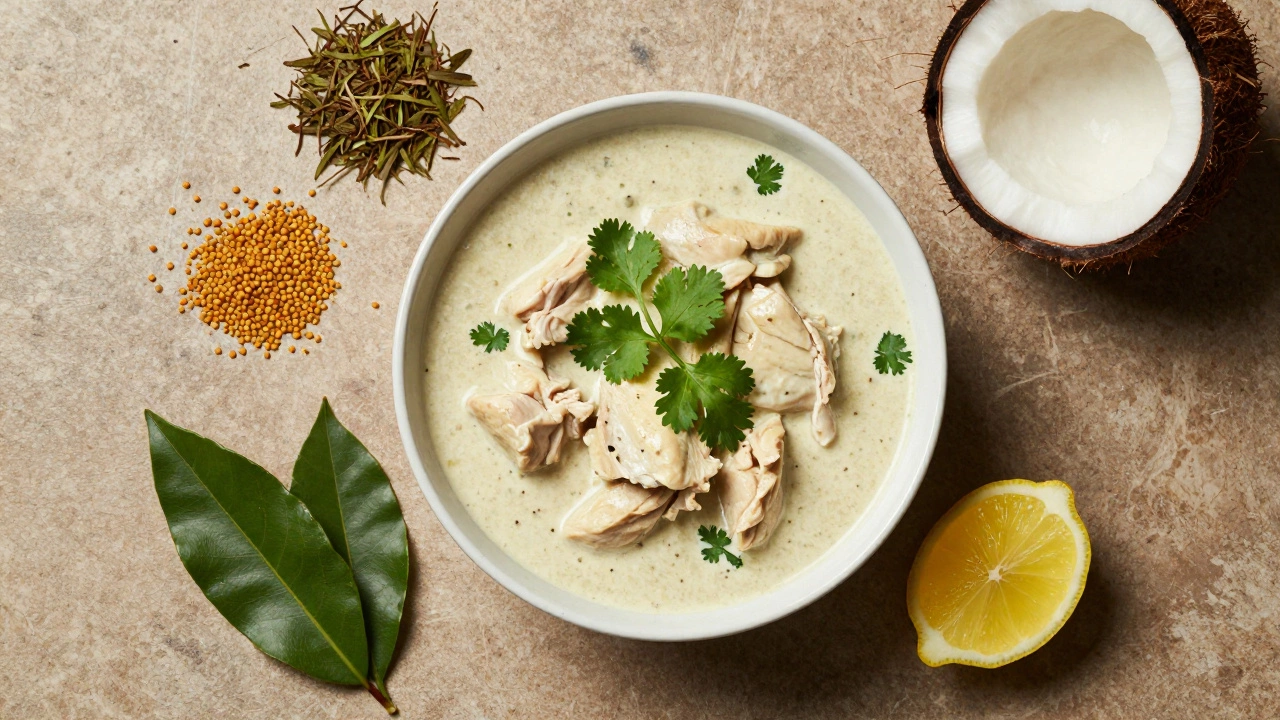
In contrast, South Indian curries often feature mustard seeds, curry leaves, and tamarind. Mustard seeds pop and crackle when heated in oil, releasing a sharp, nutty flavor. Curry leaves provide a unique citrusy, herbal note that is unmistakable. Tamarind adds a sour tang that balances the heat. If you want to try this style, swap out some of the cumin for mustard seeds and add a handful of fresh curry leaves if you can find them.
Coconut milk is another game-changer, especially in coastal regions like Kerala. It mellows out the spices and creates a luxurious, velvety texture. When using coconut milk, reduce the amount of salt and increase the chili slightly to cut through the sweetness of the coconut.
Fresh Herbs: The Final Touch
Your curry is nearly done. The chicken is tender, the sauce is thick, and the spices have melded together. Now, what’s missing? Fresh herbs. Adding fresh greens at the very end lifts the entire dish, providing a burst of freshness that contrasts with the cooked, heavy flavors.
Cilantro (coriander leaves) is the most common choice. Chop a generous bunch and stir it in just before serving. It adds a clean, grassy note. Mint is another excellent option, especially in summer or when making raita (yogurt dip) to accompany the curry. Mint cools the palate and complements the heat of the chilies perfectly.
Don’t forget about lemon juice. A squeeze of fresh lemon juice right before eating brightens all the flavors. It acts like salt does-it enhances everything else. Taste your curry before adding salt, then adjust. Then taste again and add a little lemon if it feels flat. This simple step transforms a good curry into a great one.
Common Mistakes to Avoid
Even experienced cooks slip up sometimes. Here are a few pitfalls to watch out for when experimenting with spices.
- Burning the spices: Adding ground spices to cold oil or leaving them in too long can turn them bitter. Always bloom spices in warm oil for no more than 30-60 seconds before adding liquid.
- Using old spices: Spices lose potency over time. If your cumin smells like nothing, it won’t taste like anything either. Buy small quantities and store them in a cool, dark place. Toasting whole spices briefly before grinding them restores some of their aroma.
- Overcomplicating: You don’t need fifteen spices to make a tasty curry. Stick to the basics first-turmeric, cumin, coriander, chili, and garam masala. Master these before branching out into asafoetida or star anise.
- Ignoring acidity: Tomatoes and lemon juice aren’t optional extras; they’re structural components. They balance the fat and spice. Skip them, and your curry may feel muddy or overly salty.
Building Your Spice Pantry
Starting from scratch? You don’t need to buy everything at once. Begin with the essentials: turmeric, cumin, coriander, red chili powder, and garam masala. Keep fresh ginger and garlic on hand. From there, expand based on what you crave. Love creamy dishes? Get dried fenugreek leaves. Prefer tangy flavors? Pick up tamarind paste. Enjoy herbal notes? Stock up on curry leaves and fresh cilantro.
Remember, cooking is personal. There’s no single "correct" ratio for every curry. Use these guidelines as a starting point, then adjust to your taste. Cook a batch, taste it, and ask yourself: Is it too dry? Add more liquid. Too bland? Add salt or acid. Too flat? Add a pinch of sugar or more garam masala. Over time, you’ll develop an intuition for how these spices interact, and soon, you’ll be creating your own signature chicken curry.
What is the difference between curry powder and individual spices?
Curry powder is a pre-mixed blend created primarily for Western markets. It typically contains turmeric, coriander, cumin, and chili, but the ratios vary wildly by brand. Using individual spices allows you to control the flavor profile precisely. For example, you can add more cumin for earthiness or more chili for heat. Individual spices also tend to be fresher and more potent than mass-produced blends.
Can I make garam masala at home?
Yes, absolutely. Homemade garam masala is far superior to store-bought versions. Toast equal parts cumin seeds, coriander seeds, black peppercorns, cinnamon sticks, cardamom pods, and cloves in a dry pan until fragrant. Let them cool, then grind them into a fine powder. Store in an airtight container for up to six months. Adjust the ratios based on your preference for warmth or pungency.
Why does my curry taste bitter?
Bitterness usually comes from burnt spices or overcooked tomatoes. If you add ground spices to oil that is too hot, they scorch quickly. Ensure your oil is warm, not smoking, before adding spices. Also, under-salted dishes can taste bitter. Balance bitterness with a touch of sugar or honey, and ensure you’ve added enough acid (lemon or tomato) to counteract it.
Do I need to soak spices before using them?
Generally, no. Soaking is common in South Indian recipes where whole spices are soaked in water or yogurt to soften them for grinding into pastes. For most chicken curries using ground spices, blooming them in hot oil is sufficient. If you’re using whole seeds like cumin or mustard, tempering them in oil releases their flavor better than soaking.
How do I fix a curry that is too spicy?
If your curry is too hot, add more bulk to dilute the heat. Stir in extra cooked chicken, potatoes, or vegetables. Dairy helps neutralize capsaicin, so add a splash of cream, yogurt, or coconut milk. Acid also helps balance heat, so squeeze in some lemon juice. Sweeteners like sugar or honey can mask spiciness slightly, but dairy and volume are the most effective fixes.