Tandoori Marinade Science Calculator
Recipe Inputs
Your Custom Plan
Enter details to see score
- Yogurt Needed: -- g
- Salt Needed: -- tsp
- Kashmiri Chili: -- tbsp
- Ginger-Garlic Paste: -- tbsp
-- hours
Have you ever tasted a piece of Tandoori Chicken that was dry on the outside but bland on the inside? It’s a common frustration. You followed the recipe, you used all the right spices, but something just felt off. The meat didn’t have that signature smoky depth, and the texture wasn’t tender enough. The culprit is rarely the heat or the time in the oven. It’s almost always the marinade.
A good marinade isn’t just about flavor; it’s chemistry. It’s a three-part system working together to transform tough muscle fibers into succulent, flavorful bites. When we talk about the "secret" to a great marinade, especially for dishes like Tandoori Chicken, we aren't talking about a hidden ingredient. We are talking about understanding how acid, fat, and salt interact with protein over time.
The Three Pillars of Marinade Chemistry
To build a marinade that actually works, you need to understand its three core components. Most home cooks focus too much on the spices and forget the structural elements that make those spices stick and penetrate the meat.
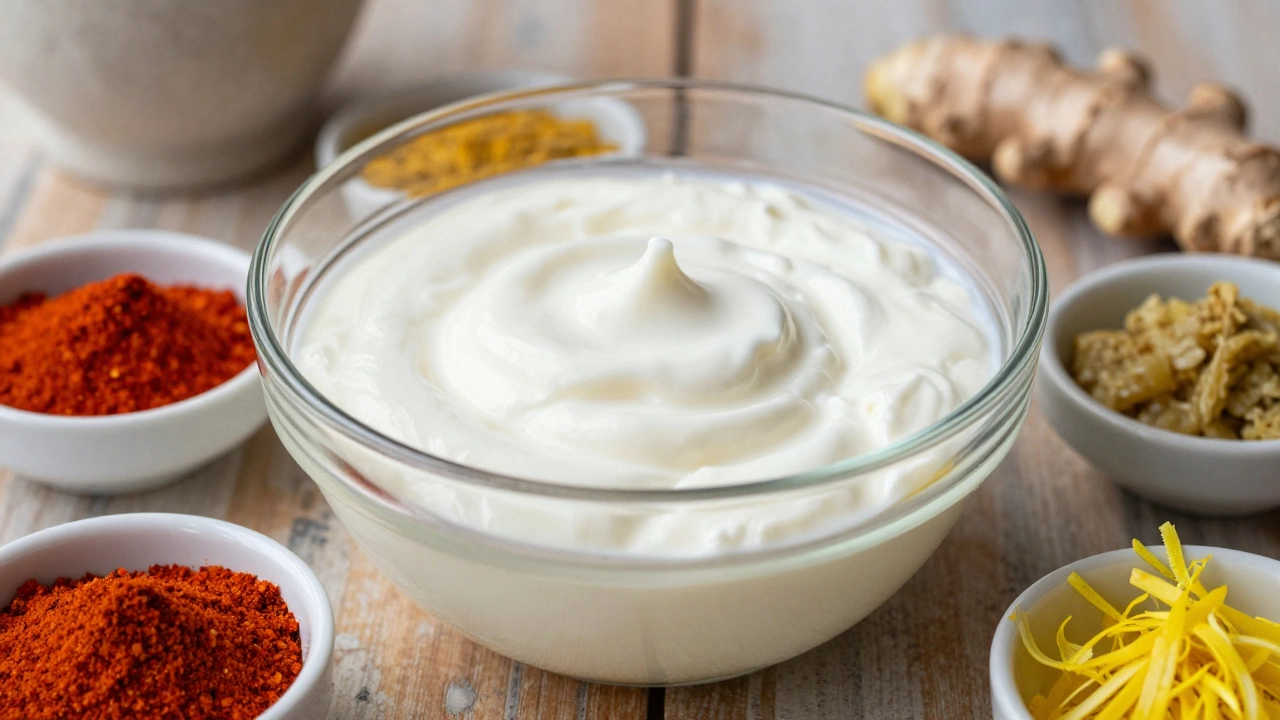
- Acid: This is your tenderizer. Acids break down the connective tissues in meat. In Indian cooking, yogurt is the gold standard. Unlike vinegar or lemon juice, which can turn meat mushy if left too long, the lactic acid in yogurt works slowly and gently. It also contains proteins that help carry flavor into the meat.
- Fat: Fat carries fat-soluble flavors. Many aromatic compounds in spices like cumin, coriander, and turmeric are oil-soluble. Without fat, these flavors sit on the surface and wash away during cooking. Oil or the natural fats in full-fat yogurt ensure these flavors bond with the meat.
- Salt: Salt does more than season. It changes the structure of the muscle proteins, allowing them to retain more moisture during the high-heat cooking process. This is why marinated meat stays juicy even when seared at high temperatures.
If you skip any of these three, your marinade will fail to deliver the full experience. A spice mix without acid won’t tenderize. Acid without fat won’t carry the aroma. And none of it matters if you don’t use enough salt to modify the protein structure.
Why Yogurt is Non-Negotiable for Tandoori Chicken
You might wonder why we insist on yogurt for Tandoori Chicken instead of using oil or vinegar. The answer lies in the texture and the color. Plain whole-milk yogurt has a thick consistency that clings to the chicken. When exposed to high heat, the milk solids caramelize, creating that distinctive reddish-brown charred exterior that defines authentic tandoori style.
Vinegar or lemon juice alone creates a harsh, sour bite and breaks down the meat too aggressively, leading to a mealy texture. Yogurt provides a buffer. Its pH level is higher (less acidic) than straight citrus, meaning it tenderizes without destroying the integrity of the meat fibers. Plus, the dairy proteins react with the Maillard reaction-the chemical process responsible for browning-giving your chicken that appetizing crust.
Pro tip: Always use full-fat yogurt. Low-fat or Greek yogurt lacks the necessary fat content to carry the spices effectively and often results in a drier final product. If your yogurt is too runny, strain it through a cheesecloth for an hour to get a thicker, creamier base known as churna.
The Spice Blend: More Than Just Color
While the acid and fat do the heavy lifting for texture, the spices provide the soul of the dish. For Tandoori Chicken, the spice profile is specific. It’s not just about heat; it’s about warmth and earthiness.
- Kashmiri Chili Powder: This is crucial for color. Regular cayenne pepper adds heat but turns the meat a dull orange-red. Kashmiri chili powder provides a vibrant, deep red hue with mild heat, mimicking the look of charcoal-grilled chicken.
- Garam Masala: Added towards the end of marination or brushed on before cooking, this blend of cardamom, cloves, cinnamon, and black pepper adds complexity. Adding it too early can cause the delicate oils to evaporate or burn.
- Ginger-Garlic Paste: Freshly ground ginger and garlic are essential. Jarred paste often contains preservatives that alter the flavor profile. The enzymatic activity in fresh ginger also aids slightly in tenderization.
- Citrus Zest: A small amount of lemon zest (not just juice) adds brightness without adding excess liquid that could dilute the marinade.
Remember, spices bloom in fat. Before mixing your dry spices into the yogurt, consider blooming them in a teaspoon of hot oil for 30 seconds. This releases their volatile oils and makes the flavor punchier.
Time: The Most Underrated Ingredient
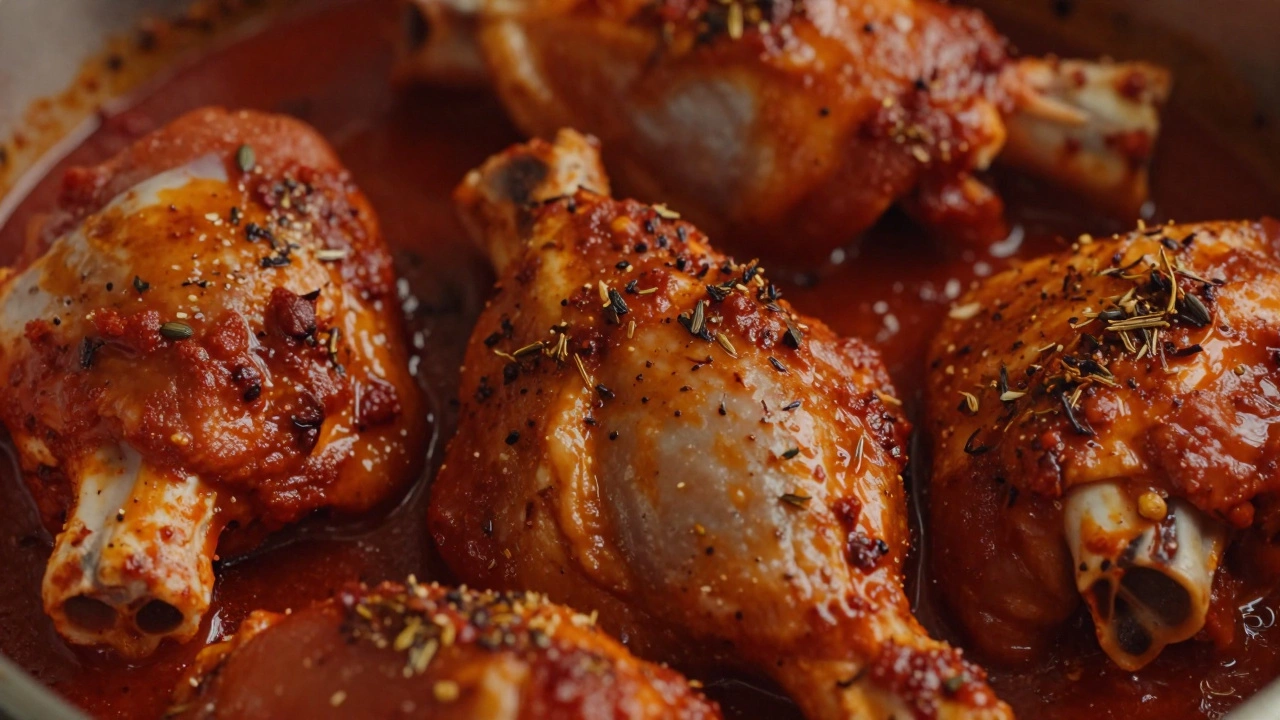
How long should you marinate? For chicken pieces, four hours is the minimum. Twenty-four hours is ideal. During this time, osmosis occurs. The water from the yogurt moves into the chicken cells, while the salts and sugars move out, eventually reaching equilibrium. This process seasons the meat from the inside out, not just on the surface.
However, there is a limit. Marinating chicken in acidic yogurt for more than 48 hours can start to break down the proteins too much, resulting in a chalky texture. Stick to the 12-24 hour window for the best balance of tenderness and firmness.
Also, temperature matters. Marinate in the refrigerator, never on the counter. Cold temperatures slow down bacterial growth while still allowing the chemical reactions of tenderization to proceed, albeit slower. Take the chicken out 30 minutes before cooking to bring it closer to room temperature, which ensures more even cooking.
Comparison: Common Marinade Mistakes vs. Best Practices
| Aspect | Common Mistake | Best Practice |
|---|---|---|
| Yogurt Type | Low-fat or flavored yogurt | Full-fat plain whole-milk yogurt |
| Acid Source | Excess lemon juice or vinegar | Lactic acid from yogurt + minimal lemon zest |
| Spice Form | Dry spices added directly to cold yogurt | Bloomed spices or finely ground pastes |
| Marination Time | 30 minutes to 2 hours | 12 to 24 hours in the fridge |
| Meat Cut | Lean breast fillets only | Bone-in thighs or drumsticks for moisture |
Choosing the Right Cut of Meat
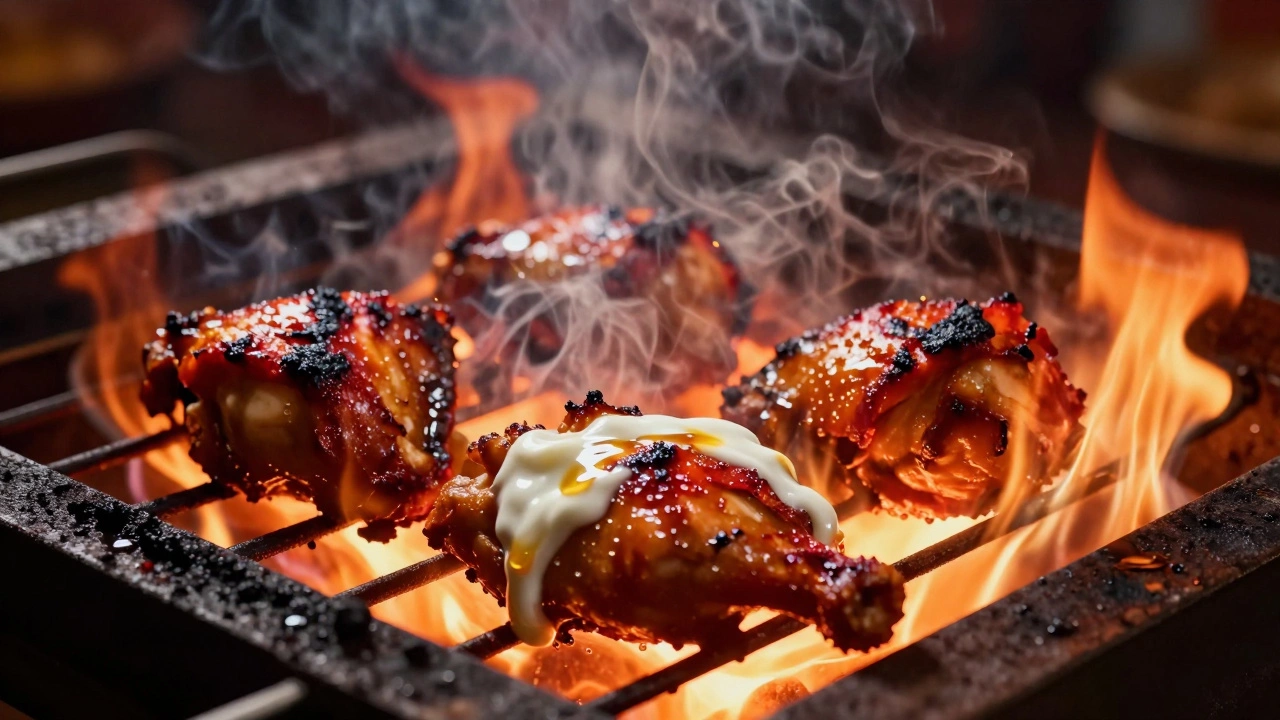
Your marinade can only do so much if the meat itself is wrong for the job. Chicken breast is lean and prone to drying out, even with a perfect marinade. For Tandoori Chicken, bone-in, skin-on cuts like thighs or drumsticks are superior. The bone conducts heat evenly, preventing the outer layers from burning before the center is cooked. The skin, when treated with yogurt and high heat, crisps up beautifully rather than shriveling.
If you must use breast meat, pound it to an even thickness and reduce the marination time to avoid mushiness. But for that authentic, juicy bite, dark meat is your friend.
High Heat: The Final Step
A marinade sets the stage, but high heat performs the play. Traditional tandoors reach temperatures of over 900°F (480°C). At home, you likely don’t have a clay oven, but you can mimic the effect. Use the highest setting on your grill or broiler. The goal is to sear the exterior quickly, locking in the juices released by the marinade and caramelizing the yogurt solids.
Brush the chicken with a little ghee or oil right before placing it under the heat. This helps prevent sticking and promotes even browning. Watch it closely! The sugars in the marinade can burn quickly. Cook until the internal temperature reaches 165°F (74°C).
Can I marinate chicken overnight?
Yes, marinating chicken overnight (up to 24 hours) is ideal for Tandoori Chicken. The extended time allows the yogurt and spices to penetrate deeper into the meat, resulting in more tender and flavorful results. Just ensure it is kept in the refrigerator.
What is the difference between yogurt and buttermilk marinades?
Yogurt is thicker and contains more fat and protein, which helps create a rich, caramelized crust. Buttermilk is thinner and more acidic, which tenderizes well but doesn’t cling to the meat as effectively. For Tandoori style, yogurt is preferred for texture and color.
Why is my tandoori chicken turning orange instead of red?
This is usually due to the type of chili powder used. Standard cayenne or generic chili powder contains capsaicin that turns orange-brown when cooked. Use Kashmiri chili powder or paprika mixed with a touch of food-grade red color for the authentic deep red hue.
Do I need to remove the skin before marinating?
No, keep the skin on. The skin protects the meat from drying out during high-heat cooking. The yogurt marinade helps crisp the skin rather than making it soggy, provided you cook it at a sufficiently high temperature.
Can I use olive oil in my marinade?
You can, but neutral oils like vegetable or sunflower oil are better for high-heat cooking. Olive oil has a lower smoke point and can impart a distinct flavor that may clash with traditional Indian spices. Ghee or clarified butter is the traditional choice for finishing.