Dosa Batter Ratio Calculator
Stop guessing. Find the exact balance of protein (Urad Dal) and starch (Rice) for your specific kitchen environment.
1. Define Your Goal
Your Recommended Recipe
Why this works?
Pro Tips for This Batch
Select your preferences on the left to generate a customized batter ratio.
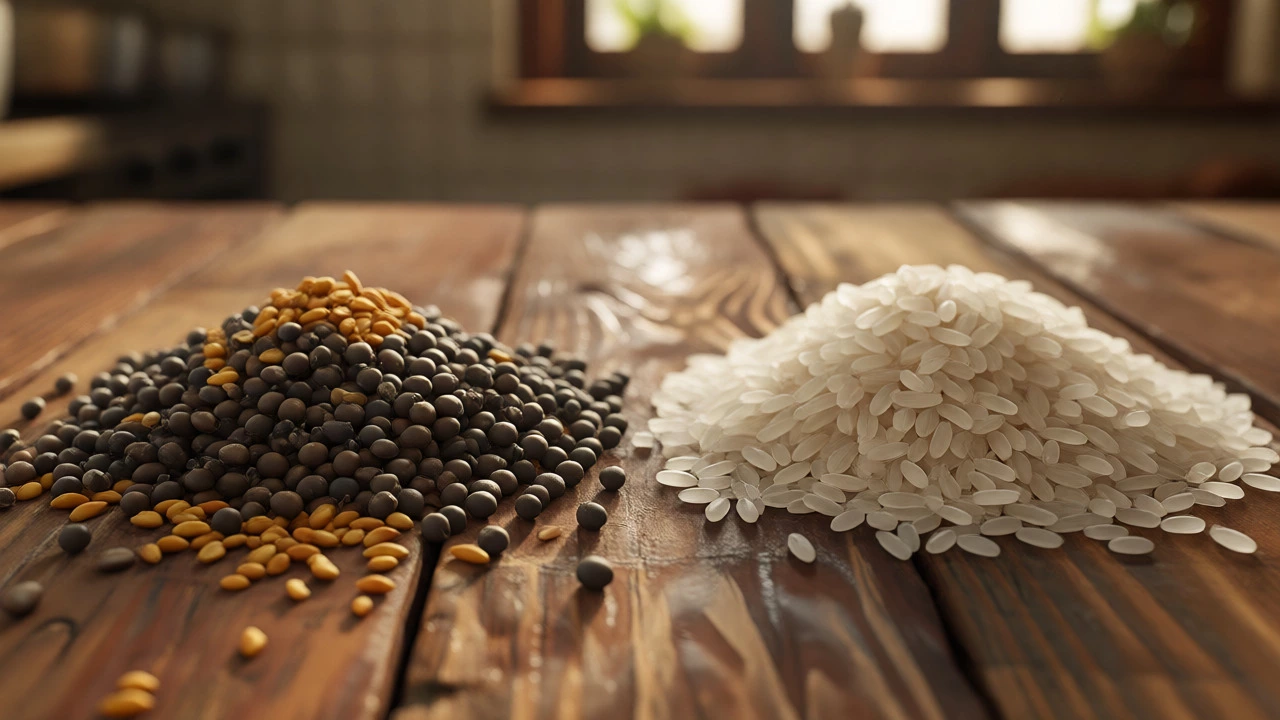
You’ve probably seen a dozen different ratios online. Some say 1:3, others swear by 1:4, and your neighbor might insist on 1:5. Why the confusion? Because there is no single "magic number" that works for every kitchen, every weather condition, and every type of Urad Dal (black gram lentil). The right balance depends entirely on what you want to achieve: crispy edges, soft centers, or a sturdy base for heavy fillings.
If you are tired of flat, rubbery dosas or crumbly idlis, it’s time to stop guessing. This guide breaks down exactly how much urad dal and rice you need, why the ratio matters, and how to tweak it for perfect results every time.
Why the Ratio Matters More Than You Think
The chemistry behind Dosa Batter a fermented mixture of rice and lentils used to make South Indian crepes is fascinating. Rice provides starch, which gives structure and crispiness. Urad dal (specifically whole skinless urad dal) provides protein and mucilage, which aids in fermentation and creates that signature airy texture. If you get the balance wrong, the physics of cooking fails.
Too much rice? Your batter won’t ferment well because there isn’t enough protein to support bacterial activity. The result is dense, hard dosas that taste like cardboard. Too much urad dal? The batter becomes too sticky and slimy. It ferments aggressively but lacks structural integrity, leading to dosas that tear easily or stick to the pan. The goal is a symbiotic relationship where the starch supports the protein network.
The Standard Golden Ratio: 1:3
For most home cooks, especially beginners, the 1:3 ratio is the safest starting point. This means one cup of urad dal to three cups of rice. This proportion offers a balanced profile: enough protein for good fermentation and enough starch for a crispy exterior.
| Ratio (Dal:Rice) | Texture Outcome | Best For | Fermentation Difficulty |
|---|---|---|---|
| 1:3 | Balanced; moderate crispness, good fluffiness | Standard Dosa & Idli | Easy |
| 1:4 | Crispier, thinner, less fluffy | Crispy Masala Dosa | Moderate |
| 1:5 | Very thin, paper-like crispness | Neer Dosa or very thin Adai variants | Hard |
| 1:2 | Thick, soft, sponge-like | Poori-style Idli or Rava Dosa hybrids | Easy |
Adjusting for Weather and Humidity
Here is the secret chefs rarely tell you: temperature changes everything. Fermentation is driven by wild yeast and bacteria present in the air and on the grains themselves. These microbes work faster in heat and slower in cold.
In hot, humid climates (like coastal India or summer months in the US), fermentation happens quickly. If you use a high-protein ratio (like 1:2), the batter can over-ferment overnight, turning sour and collapsing. In these conditions, lean towards a higher rice content, such as 1:4. The extra starch buffers against rapid acid production.
In cold, dry climates (winter in Northern Europe or Canada), fermentation is sluggish. You might find your batter barely rising after 12 hours. Here, increasing the urad dal slightly to 1:2.5 helps. The additional proteins provide more fuel for the limited microbial activity, ensuring the batter still rises adequately within a reasonable timeframe.
The Role of Fenugreek Seeds (Methi)
You cannot talk about ratios without mentioning Fenugreek Seeds aromatic seeds used to aid fermentation and add flavor. While not part of the main grain ratio, they play a critical supporting role. Typically, you add 1-2 teaspoons of fenugreek seeds per cup of urad dal.
Why bother? Fenugreek contains natural compounds that promote bacterial growth and improve the batter’s ability to hold gas bubbles. Without methi, even with the perfect dal-rice ratio, you might end up with flat idlis. If you skip the methi, consider adding a pinch of rock salt early in the soaking process, though methi remains superior for texture.
Step-by-Step Guide to Mixing Your Batter
Knowing the numbers is half the battle. Execution is the other half. Follow this workflow to ensure your ratio translates into reality.
- Wash Thoroughly: Rinse the urad dal and rice separately until the water runs clear. Excess surface starch from the rice can interfere with fermentation if not removed.
- Soak Separately: Soak urad dal and fenugreek seeds in plenty of water for 6-8 hours. Soak rice separately for 4-6 hours. Do not soak them together; they have different absorption rates.
- Grind Urad First: Drain the urad dal. Grind it first in a wet grinder or high-power blender. Add ice-cold water gradually. The batter should be smooth and aerated. Cold water keeps the friction heat low, preventing premature fermentation during grinding.
- Grind Rice Next: Drain the rice. Grind it to a fine paste. It doesn’t need to be as aerated as the urad batter, but it must be smooth. Any gritty texture here will ruin the final mouthfeel.
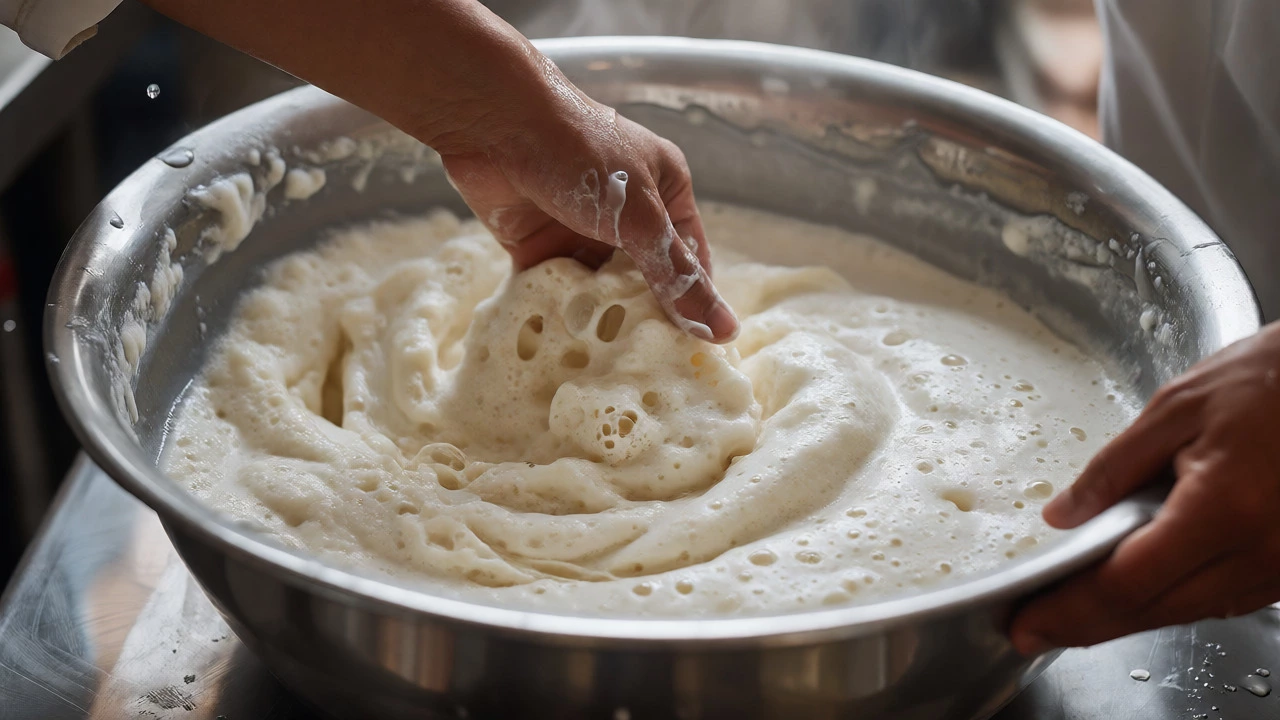
- Mix Gently: Combine both batters in a large container. Use your clean hands to mix. Yes, hands. The warmth and enzymes from your skin help kickstart fermentation better than a spoon ever could. Mix for at least 5 minutes to ensure uniform distribution.
- Ferment: Cover loosely and let it sit in a warm place for 8-12 hours. The volume should double.
Troubleshooting Common Ratio Mistakes
Did your last batch fail? Let’s diagnose it based on symptoms rather than just blaming the recipe.
- Problem: Batter didn’t rise.
Cause: Likely too much rice or insufficient fermentation time due to cold weather.
Fix: Move the batter to a warmer spot (an oven with just the light on works wonders). Next time, increase urad dal slightly or add a quarter teaspoon of baking soda before cooking if you’re in a rush. - Problem: Dosas are tearing.
Cause: Too much urad dal or under-fermented batter lacking elasticity.
Fix: Reduce urad dal to a 1:4 ratio. Ensure you grind the urad dal until it passes the "float test" (a drop of batter floats in water). - Problem: Batter smells sour or alcoholic.
Cause: Over-fermentation, often caused by high temperatures combined with a high-protein ratio.
Fix: Refrigerate immediately. Use this batter for idlis instead of dosas, as idlis tolerate slight sourness better. Next time, reduce fermentation time or lower the urad dal proportion.
Pro Tips for Consistent Results
Once you settle on a ratio that works for your climate, stick with it. Consistency is key. However, keep these adjustments in mind:
Use Aged Rice: If possible, use rice that has been stored for at least 6 months. Freshly harvested rice has too much moisture and less starch crystallization, leading to softer, less crispy dosas. Aged rice yields a sharper crunch.
Water Temperature: Always use cold or room-temperature water for grinding. Warm water activates yeast prematurely during the grinding phase, which can lead to uneven fermentation.
Salt Timing: Add salt only after fermentation is complete. Adding salt before fermentation inhibits bacterial activity. If you forget, add it while mixing the batter before pouring onto the tawa.
Can I use parboiled rice for dosa batter?
Yes, you can, but it changes the outcome. Parboiled rice absorbs water differently and results in a softer, thicker dosa. It is excellent for idlis but may lack the signature crispiness of a traditional dosa made with raw rice. If using parboiled rice, stick to a 1:3 ratio to maintain structure.
What if I don't have whole urad dal?
You can use split urad dal (dal maa ki dal style), but you must adjust the quantity. Split dal has less mucilage and ferments differently. Use a 1:2.5 ratio of split dal to rice. Note that split dal dosas tend to be slightly denser and less airy than those made with whole black gram.
How do I know if my batter is properly fermented?
A properly fermented batter will nearly double in volume, feel light and airy when stirred, and have a mild tangy smell. There should be visible bubbles throughout the mixture. If it smells strongly of vinegar or alcohol, it has over-fermented.
Does adding poha (flattened rice) change the ratio?
Yes. Poha adds sweetness and aids in fermentation due to its pre-cooked nature. If you add 1/4 cup of poha per cup of rice, you can slightly reduce the rice amount or keep the ratio at 1:3 for a softer, more tender dosa. Poha makes the batter more forgiving for beginners.
Can I store the batter for several days?
Yes, once fermented, the batter lasts up to 3-4 days in the refrigerator. Stir it gently before each use. If it becomes too thick, add a little water. If it becomes too sour, discard it or mix it with fresh unfermented batter to neutralize the acidity.