Why Roti Doesn't Puff - Fix Your Flatbread Every Time
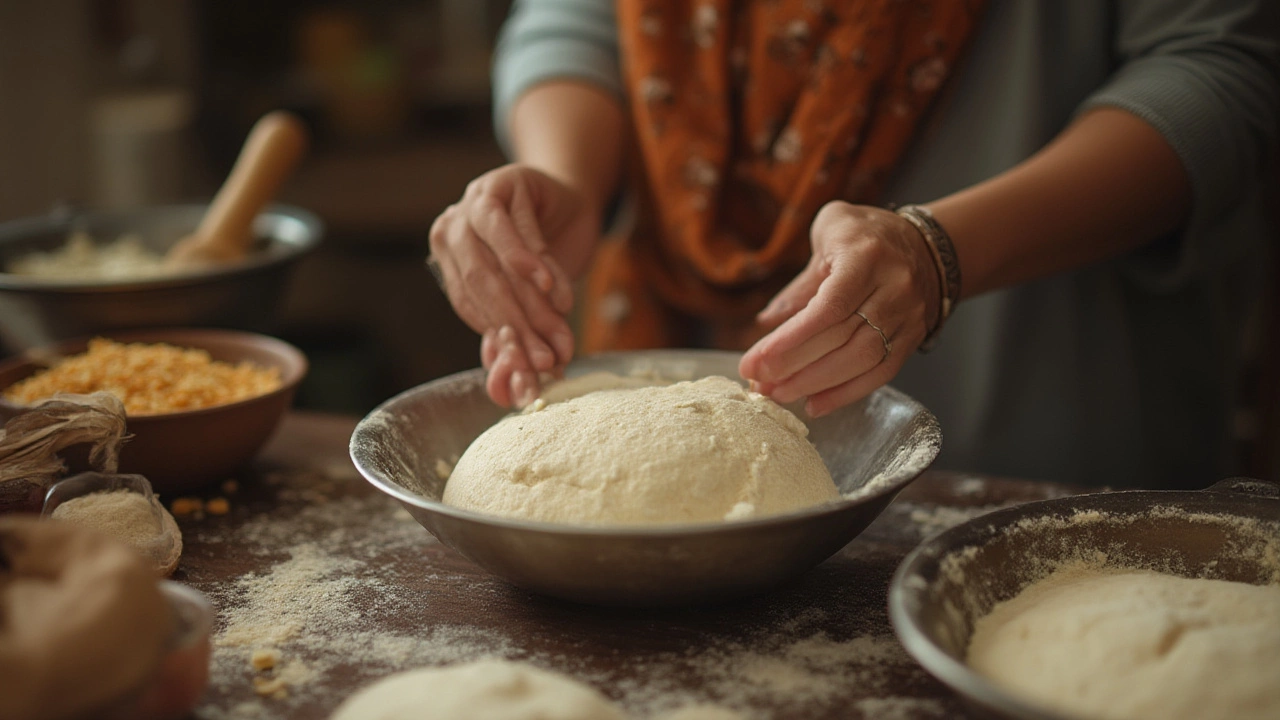
When you roll out a roti, a simple, unleavened Indian flatbread made from whole wheat flour and water. Also known as chapati, it's one of the most common foods eaten across India every single day. But if it doesn’t puff up like a balloon over the flame, something’s off. It’s not broken. It’s not your fault. It’s just missing one or two key steps.
Most people think roti puffing is magic. It’s not. It’s physics and heat. The steam trapped inside the dough needs space, time, and the right temperature to expand. If your tawa isn’t hot enough, the dough won’t seal fast enough to trap steam. If you roll it too thin in the center, it tears. If you press it down with the spatula, you crush the air pockets before they can do their job. These aren’t myths—they’re the real reasons your roti stays flat.
And it’s not just about the heat. The dough matters too. If you didn’t knead it long enough, the gluten won’t hold the gas. If you used cold water, the dough won’t rest properly. If you let it sit for too long without covering it, the surface dries out and won’t stretch. Even the type of flour makes a difference—some brands are too coarse or too low in protein. You don’t need fancy tools. Just a clean tawa, a little patience, and the right touch.
Look at the posts below. You’ll find fixes for problems just like this. Someone’s struggling with soft dosas because their batter’s under-fermented. Another person can’t get their biryani rice fluffy because they boiled it too long. These aren’t random recipes—they’re all about the same thing: understanding why things go wrong in Indian cooking, and how to fix them with simple, real-world steps. You’ll see how temperature, timing, and technique turn ordinary ingredients into something perfect. No guesswork. No fluff. Just what works.
Why Your Roti Isn’t Puffing: Solutions & Secrets for Perfect Phulka
Roti not puffing? Uncover all the real reasons, with hands-on tips, fixes, and easy secrets for soft, puffy phulka every time. Troubleshoot like a pro, next meal.
learn more