When to Eat Dinner in India
When to eat dinner in India isn’t just about hunger—it’s tied to Indian daily routine, the structured rhythm of work, worship, and family life that shapes meals across the country. Unlike Western norms where dinner often happens after 7 PM, most Indians eat between 7:30 PM and 9 PM, even in big cities. In smaller towns and villages, it’s often earlier—around 7 PM—because the day ends with the sun. This timing isn’t random; it’s shaped by heat, work cycles, and the belief that digestion works best before sleep.
South Indian eating patterns, a key part of India’s regional food culture, often follow a strict sequence: breakfast by 8 AM, lunch by 1 PM, and dinner before 9 PM. In Karnataka and Tamil Nadu, families eat together after evening prayers or temple visits. Even in urban homes where schedules are tighter, dinner rarely happens before 7 PM. Why? Because the midday meal is the heaviest, and dinner is lighter—usually rice, dal, or roti with vegetables. Eating too late is seen as unhealthy, even by those who don’t follow religious rules. This rhythm is passed down through generations, not written in cookbooks but lived in kitchens.
The Indian meal timing, the cultural framework that dictates when food is consumed, not just what is eaten, also reflects climate. In hot regions like Andhra or Rajasthan, people avoid heavy meals after sunset because the body cools down and digestion slows. That’s why dinner is simple—no rich curries, no fried snacks. It’s about balance, not indulgence. Even in places where nightlife is growing, most families stick to tradition. You won’t find many Indians eating dinner at 10 PM unless they’re working night shifts or living abroad.
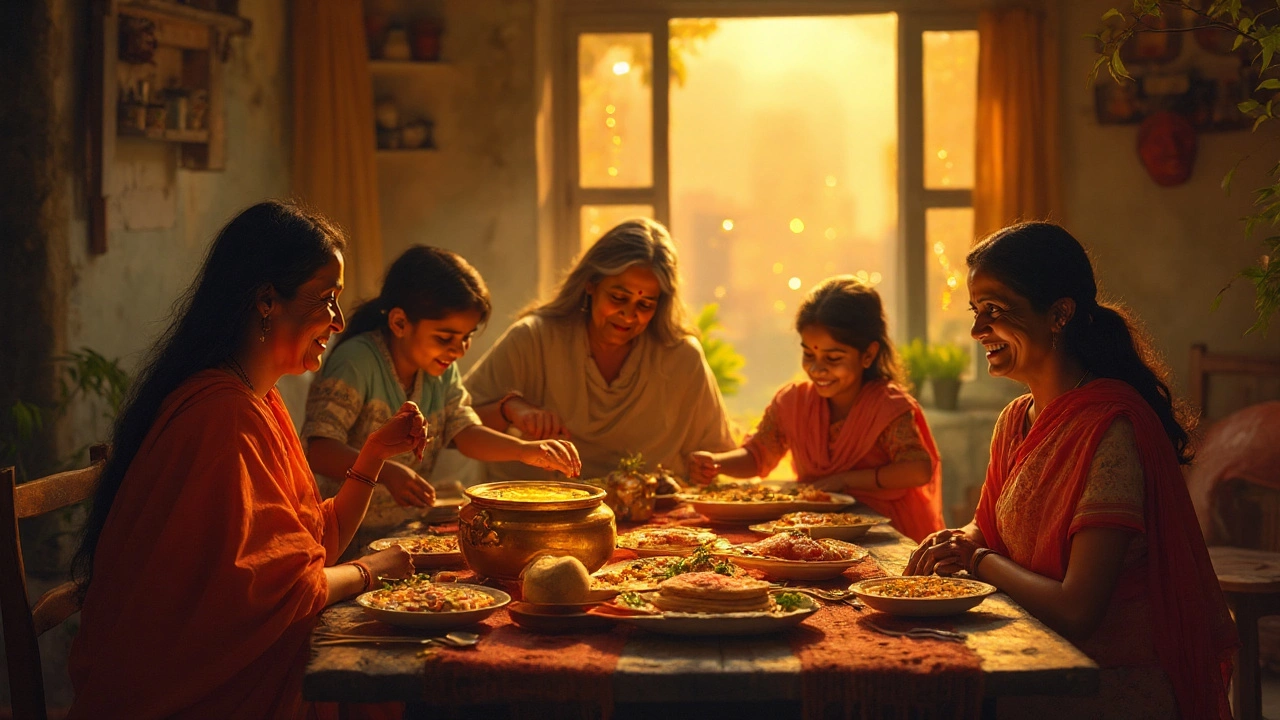
There’s also a spiritual layer. In many households, dinner is eaten after lighting the evening lamp or saying a quiet prayer. It’s a moment of calm before bed, not a rushed affair. This is why you’ll see families sitting on the floor, eating with hands, even in modern apartments. The ritual matters more than the clock. And while delivery apps make late-night eating possible, most Indians still choose to eat with their family, at the right time, the traditional way.
What you’ll find below are real stories and practical tips from people who live this rhythm every day. From why dosa batter ferments overnight to how biryani gets its best flavor when eaten after a long day’s work—these posts don’t just tell you what to eat. They show you when to eat it, and why that timing makes all the difference.
What Time Do People Eat Dinner in India? A Guide to Indian Dinner Habits
Curious about dinner times in India? Explore when people eat dinner across regions, cultural factors influencing dinner, and how social life shapes Indian eating habits.
learn more