What Makes Good Curry
When you ask what makes good curry, a rich, layered dish built on slow-cooked spices, aromatics, and regional tradition. Also known as Indian curry, it’s not a single recipe—it’s a system of balancing heat, depth, and aroma to create something that sticks to your memory, not just your plate. Too many people think curry is just powder in a jar. But real curry starts with onions sizzling in oil, garlic and ginger blooming, then spices toasted until they smell like earth and sunshine. It’s not about throwing everything in at once—it’s about timing, temperature, and trust in the process.
The curry base, the foundation of every authentic curry, built from fried onions, tomatoes, and whole spices is what separates home cooks from those who just follow recipes. You can’t rush it. If you burn the onions, the whole dish turns bitter. If you skip toasting cumin and coriander seeds, you lose that deep, nutty backbone. And curry flavor, the complex result of layered spices like turmeric, garam masala, fenugreek, and curry leaves doesn’t come from one magic ingredient—it comes from how they work together. Turmeric gives color and earthiness. Garam masala adds warmth at the end. Curry leaves? They’re not optional. They smell like citrus and pine and make your curry taste alive.
People forget that curry ingredients, the raw materials that turn simple food into something unforgettable aren’t just spices. They’re fresh garlic, ripe tomatoes, coconut milk that doesn’t curdle, and lemon juice added at the right moment to lift everything up. The best curries aren’t the spiciest—they’re the ones that make you take another bite without thinking. You don’t need fancy tools. Just a heavy pan, patience, and the willingness to smell each step. That’s why you’ll find posts here about blending onions for texture, why lemon in biryani isn’t just for show, and how coconut milk stays smooth instead of splitting. You’ll see how dosa batter fermentation teaches you about patience, and how chutney isn’t just a side—it’s the flavor counterpoint that makes curry sing. This isn’t about copying a restaurant. It’s about learning the rhythm of Indian cooking so you can make curry that tastes like it came from a kitchen that’s been doing this for generations.
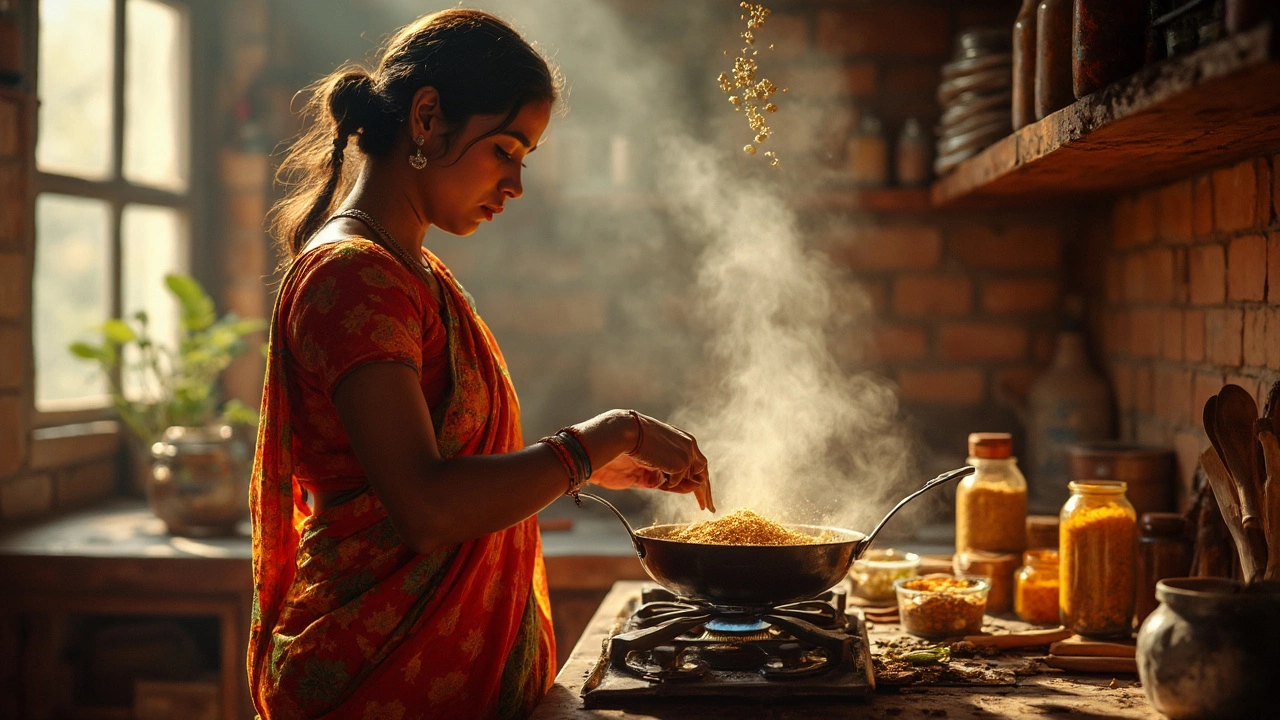
How to Add Rich Depth and Flavor to Your Homemade Curry
Ever wonder why some curries taste like a quick weeknight dinner and others feel like a journey to another continent? This article uncovers what truly brings depth to a curry and how you can layer flavors, choose the right ingredients, and tweak your process at home. Learn practical tips and facts grounded in real experience, so your next curry can have people asking for seconds. We’ll explore everything from spice roasting tricks to the science of mouthfeel, making every bite unforgettable. No chef secrets held back—just good sense and great taste.
learn more