What Indians Eat for Dinner: Real Meals, Not Just Curries
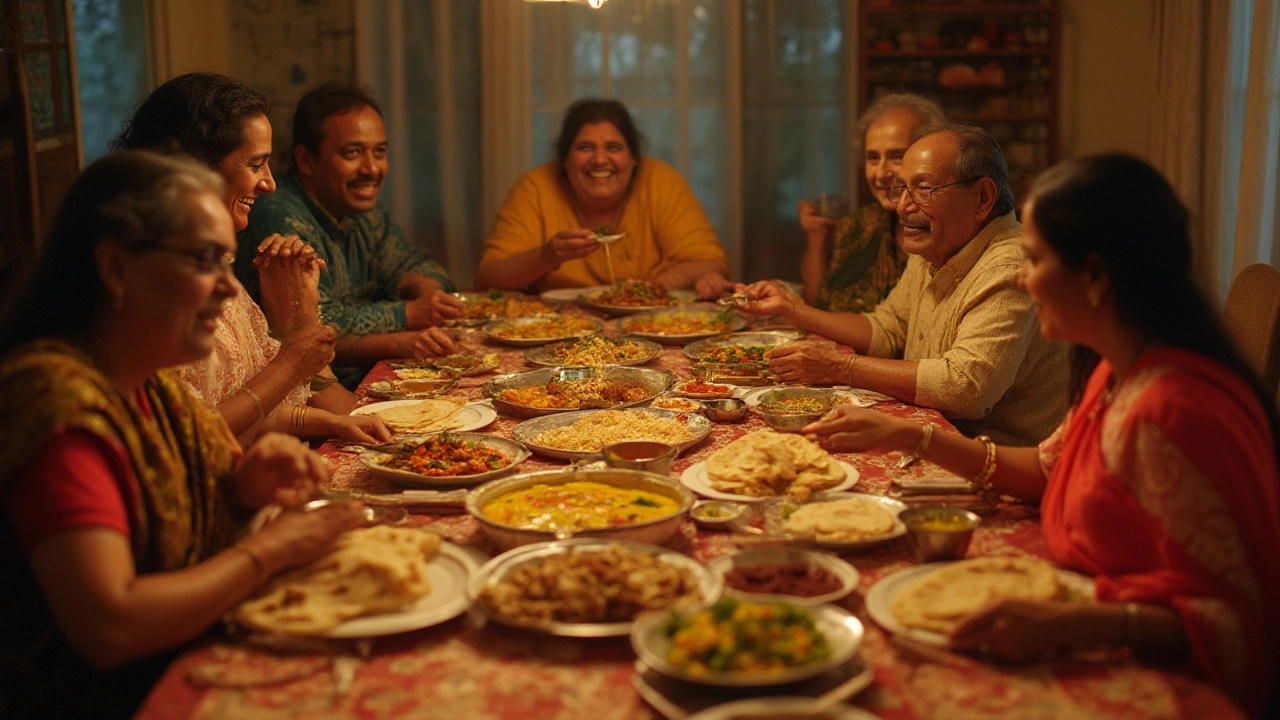
When people think of Indian dinner, a nightly meal rooted in regional traditions, often centered on rice, roti, lentils, and seasonal vegetables. Also known as evening meal in India, it’s not about elaborate feasts—it’s about balance, rhythm, and what’s fresh from the kitchen that day. Forget the restaurant images of creamy butter chicken or spicy biryani every night. In most Indian homes, dinner is quiet, practical, and deeply personal. It’s what’s left over from lunch, repurposed with a twist, or made from ingredients that didn’t get used earlier. The real Indian staple foods, the foundation of daily eating across villages and cities. Also known as daily Indian food, it includes rice in the south, roti in the north, and a bowl of dal that’s been simmering for hours. These aren’t trends—they’re habits passed down for generations.
What you’ll find on a typical dinner plate depends on where you are. In Mysore, it’s often steamed rice with sambar, a tangy lentil stew, and a side of crispy papad. In Punjab, it’s roti with chole and a dollop of ghee. In Bengal, it’s fish curry with rice and a spoonful of mustard paste. The common thread? South Indian meals, light, balanced, and built around fermented foods, vegetables, and minimal oil. Also known as traditional South Indian cuisine, they prioritize digestibility and flavor over heaviness. Even when meat is included, it’s not the star—it’s a flavoring. A few pieces of chicken in a curry, or a small portion of fish, adds depth without overwhelming the plate. And yes, chutney is almost always there—not as a side, but as a necessary punch of acidity or heat. It’s not an afterthought. It’s part of the structure.
What makes Indian dinner work isn’t complexity. It’s repetition, done well. The same ingredients return day after day, but in different forms: rice one night, idli the next, dosa the day after. Lentils become dal, then khichdi, then upma. Vegetables change with the season. And the spices? They’re not added randomly. They’re chosen to aid digestion, reduce bloating, and make the meal feel complete. You won’t find a dinner without dal. You won’t find one without a vegetable. And you rarely find one without something fermented—yogurt, pickle, or fermented rice batter. These aren’t trends. They’re science, wrapped in tradition.
What you’ll find below are real stories from real kitchens—how dosa batter is made for dinner, why lemon ends up in biryani even when it’s not a lunch dish, how to fix a soft roti, and what people actually eat when they’re tired, broke, or just don’t feel like cooking. No fluff. No fancy plating. Just what works, every night, in homes across India.
What Do Most Indians Eat for Dinner? A Real-Life Guide to Everyday Indian Dinners
Curious about what most Indians eat for dinner? This deep-dive explores regional habits, daily staples, family routines, and fun facts about Indian dinners—so you can get real-life insight.
learn more