Vrindavan Food: Traditional Flavors, Sacred Recipes, and Simple Meals from a Spiritual Heartland
When you think of Vrindavan food, a style of vegetarian cooking rooted in devotion, temple rituals, and centuries-old traditions from the holy town of Vrindavan in Uttar Pradesh. Also known as prasadam cuisine, it’s not just about taste—it’s about offering food to Krishna with love, and eating it as a blessing. This isn’t fancy restaurant fare. It’s the kind of food that’s made before sunrise, cooked in large clay pots, and served to thousands of pilgrims every day. No meat, no onion, no garlic—just pure, simple ingredients turned into something deeply satisfying.
What makes Vrindavan food different? It’s tied to prasadam, food offered to deities in Hindu temples and then distributed to devotees as a sacred gift. The recipes come from ancient texts and oral traditions passed down by temple cooks. You’ll find dishes like kheer, a creamy rice pudding made with milk, cardamom, and saffron, often prepared as an offering to Krishna, or puri bhaji, deep-fried bread served with spiced potato curry, eaten fresh after morning prayers. Even the spices are chosen carefully—cumin, coriander, turmeric, and fenugreek are common, but black pepper and chili are used lightly, keeping the food light on the stomach for long fasting hours.
People who live in Vrindavan don’t cook for taste alone—they cook for devotion. That’s why the food stays simple. No cream, no butter, no excessive oil. The magic comes from slow cooking, fresh dairy from local cows, and the use of seasonal produce. You won’t find paneer butter masala here, but you will find makhan mishri—fresh butter mixed with sugar crystals, a favorite snack offered to Krishna. The meals are vegetarian, vegan-friendly, and designed to be eaten in silence, with gratitude.
What you’ll find in this collection isn’t a list of restaurant menus. It’s a window into how food is made when it’s tied to faith. You’ll learn how to make authentic Vrindavan food at home—without temple kitchens or special tools. We’ll show you how to prepare dosa batter the way temple cooks do, how to balance spices so food stays gentle on the body, and why lemon is added to biryani even in sacred meals. You’ll see how chutneys are paired with snacks, how lentils are cooked to avoid bloating, and why certain sweets are only made during festivals. These aren’t just recipes—they’re stories wrapped in spices.
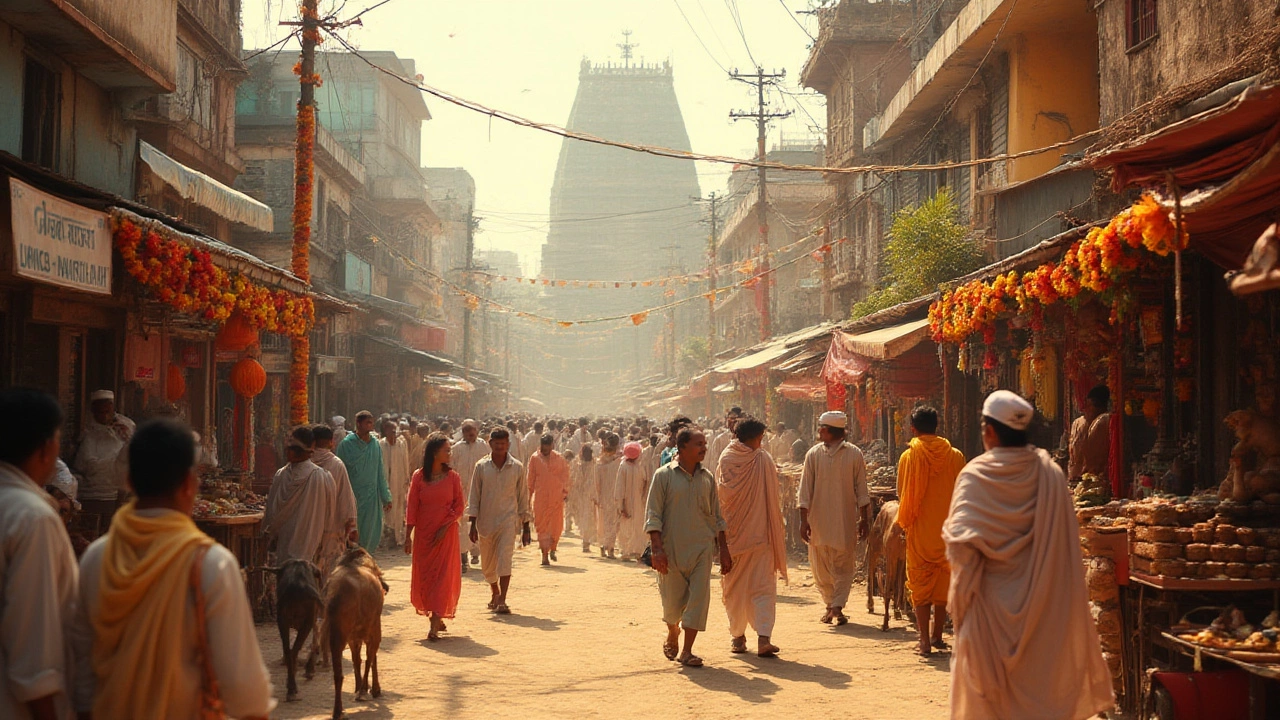
Is Non-Veg Food Banned in Vrindavan? Law, Culture & What Visitors Must Know
Discover if non-veg is actually banned in Vrindavan, the laws behind it, the local culture, and what every traveler should expect. Real talk, straight answers.
learn more