Vegetarianism Worldwide: How India Shapes Global Plant-Based Eating
When we talk about vegetarianism worldwide, a global movement centered on plant-based eating, often tied to culture, religion, and health. Also known as plant-based living, it's not just about skipping meat—it's about building meals around grains, legumes, vegetables, and spices that have fed communities for centuries. In India, vegetarianism isn't a choice made for trend or ethics—it's woven into daily life. Millions eat vegetarian meals every single day, not because they’re avoiding meat, but because their food culture makes plant-based eating the easiest, tastiest, and most natural option.
What makes Indian vegetarianism different? It doesn’t rely on fake meats or expensive substitutes. Instead, it uses urad dal, a protein-rich lentil essential in South Indian batter for dosas and idlis, paired with rice, the staple grain that forms the base of meals from Karnataka to Kerala. These two ingredients, fermented and ground into batter, become crispy dosas or fluffy idlis—meals that are vegan, gluten-free, and packed with flavor. You won’t find a single animal product in them, yet they’re satisfying, filling, and deeply rooted in tradition. This isn’t niche eating—it’s how millions start their day.
And it’s not just breakfast. chutney, a tangy, spicy condiment made from coconut, tamarind, or mint, used to elevate every meal turns simple rice or roti into something vibrant. paneer, a fresh, non-melting cheese made by curdling milk with lemon juice, is cooked in creamy tomato sauces, grilled, or fried—no animal rennet, no aging, just pure, simple protein. These aren’t exotic imports. They’re everyday foods that prove you don’t need meat to have rich, layered flavor.
Vegetarianism worldwide often gets framed as a Western innovation, but the truth is, places like Mysore have been doing it right for generations. The spices that give curry its depth—turmeric, cumin, curry leaves—are naturally plant-based and packed with anti-inflammatory benefits. Lentils are soaked, pressure-cooked, and spiced to reduce gas and boost nutrition. Even sweets like phool jhadi, a delicate sugar thread sweet made by hand with rose water and cardamom are vegan by default. There’s no need to substitute anything because the original recipe was already complete.
So when you see someone eating a vegan meal in Berlin or Los Angeles, chances are they’re borrowing from a tradition that’s been thriving in India for centuries. The recipes here don’t just work—they’ve been tested by time, family, and hunger. You’ll find guides on how to make dosa batter crisp, how to balance spice in biryani without meat, how to use chutney with everything from toast to rice, and why paneer is the perfect vegetarian protein. No gimmicks. No labels. Just real food that works.
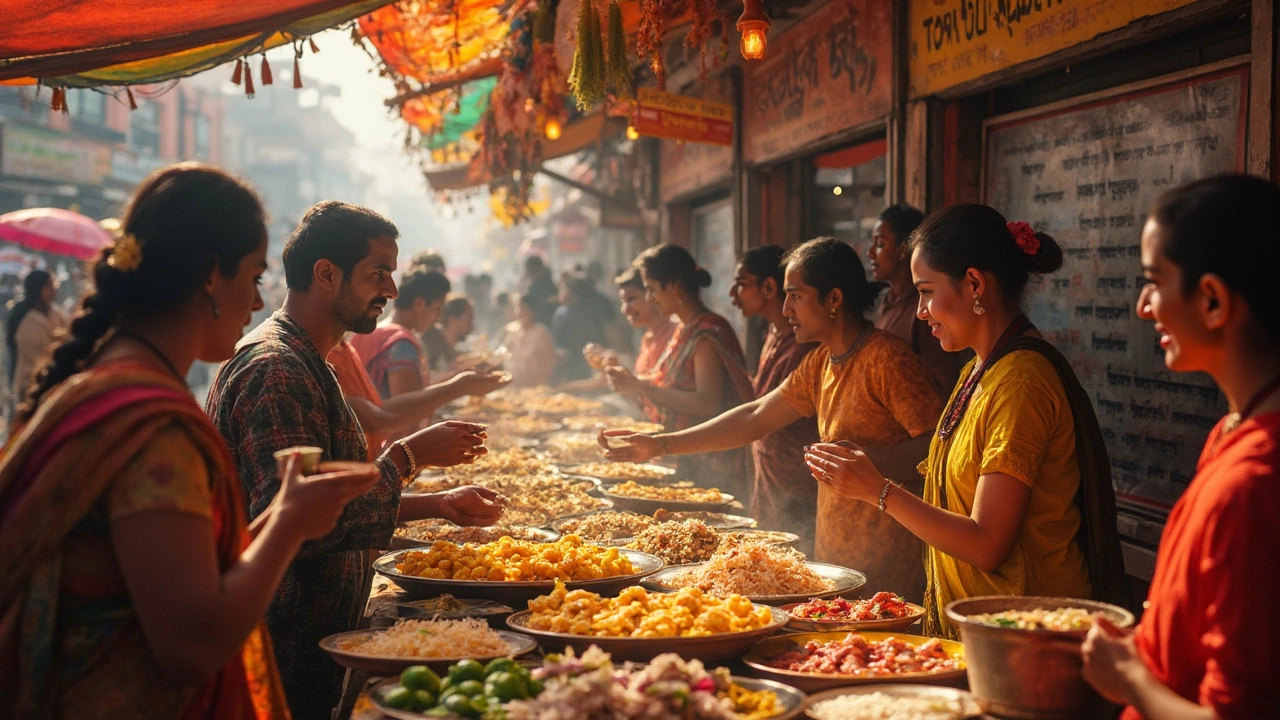
Which Country Is 100% Vegetarian? Exploring the Truth Behind the Myth
Is there really a country where everyone follows a vegetarian diet? This article unpacks the idea of a 100% vegetarian nation, with a special look at India as the global center for vegetarian culture. Discover why even India isn't fully vegetarian, what influences food choices there, and the quirks of its regional vegetarian dishes. Get practical tips for eating vegetarian while traveling and watch out for common roadblocks. Learn the facts and get some smart tips for anyone passionate about vegetarian food.
learn more