Vegetarian Rules Vrindavan: What You Need to Know About Traditional Indian Vegetarian Eating
When people talk about vegetarian rules Vrindavan, the strict, spiritually rooted food practices followed in the sacred town of Vrindavan, India. Also known as Vrindavan dietary codes, these aren’t just about avoiding meat—they shape how food is prepared, served, and even thought about. This isn’t a trend or a lifestyle choice. It’s a centuries-old system tied to devotion, purity, and daily ritual. In Vrindavan, many residents follow a lacto-vegetarian diet, meaning no eggs, meat, fish, or even garlic and onions. Why? Because these foods are considered tamasic or rajasic—believed to stir up anger, lethargy, or desire, which goes against the calm, devotional mindset central to life there.
These rules don’t stop at what’s eaten. They extend to how food is handled. Many households avoid using metal containers for storing or fermenting food, preferring clay or brass. Cooking is often done with ghee, not oil. Spices like turmeric, cumin, and asafoetida are used not just for flavor but for their purifying properties. You’ll find this same logic in many South Indian homes too, even if they don’t follow Vrindavan’s exact rules. That’s why you’ll see recipes here for dosa batter, a fermented rice and urad dal mix that’s central to South Indian vegetarian meals, or why paneer, a fresh, non-melting Indian cheese made from curdled milk shows up in so many dishes—it’s a protein source that fits every rule. Even something as simple as adding lemon to biryani isn’t just about taste; it’s about balance, digestion, and keeping the meal light and sattvic—pure and calming.
These aren’t just religious rules. They’re practical. Avoiding onions and garlic helps reduce body odor, which matters in close-knit temple communities. Fermenting batter overnight isn’t a gimmick—it makes nutrients more absorbable and eases digestion. Using ghee instead of oil keeps meals stable and rich without heaviness. You’ll find these same principles in the recipes here: how to make dosa crispy without frying, how to prevent lentils from causing gas, how to balance spice without burning out your stomach. All of it ties back to the same idea: food should nourish the body and the spirit, not burden it.
What you’ll find in the posts below isn’t a list of rules to follow blindly. It’s a collection of real, working methods from kitchens that live by these traditions—whether in Vrindavan, Mysore, or your own home. You’ll learn why certain ingredients are avoided, how to replace them, and how to build meals that feel clean, balanced, and deeply satisfying. No fancy techniques. No expensive tools. Just food that works, the way it’s been done for generations.
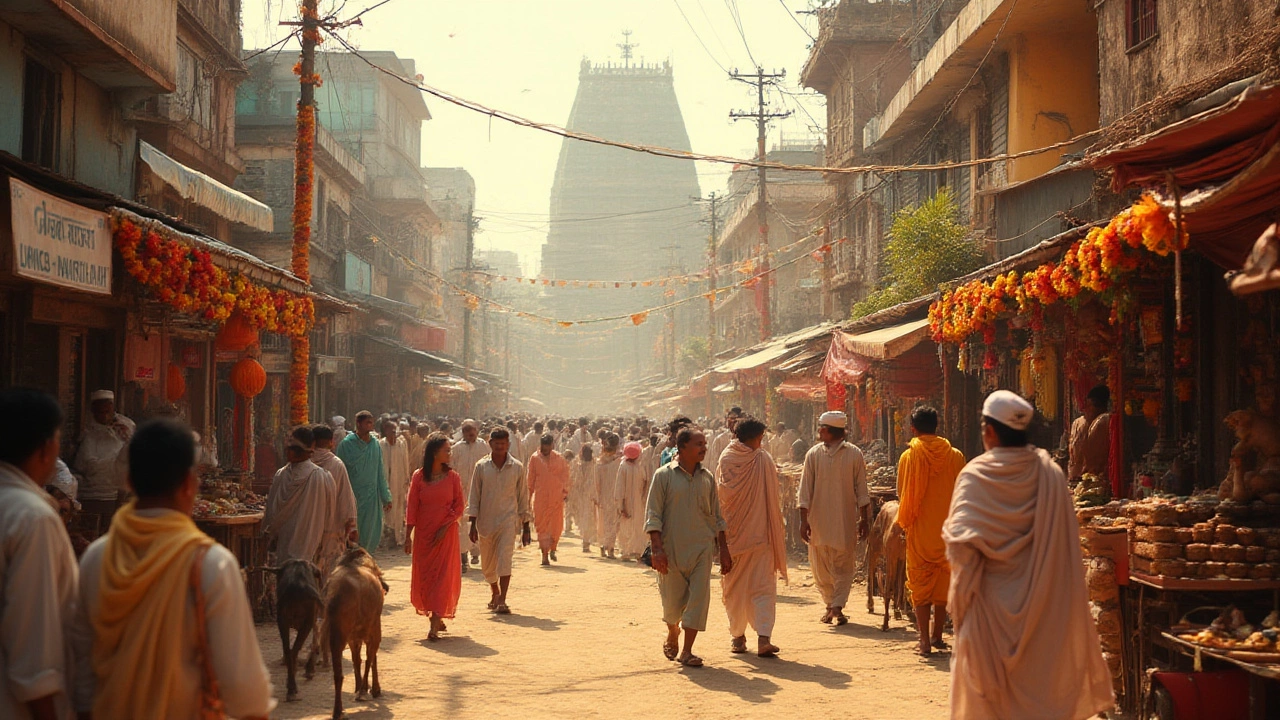
Is Non-Veg Food Banned in Vrindavan? Law, Culture & What Visitors Must Know
Discover if non-veg is actually banned in Vrindavan, the laws behind it, the local culture, and what every traveler should expect. Real talk, straight answers.
learn more