Vegan Dosa Batter: How to Make Crispy, Fermented Dosa Without Eggs or Dairy
When you make vegan dosa batter, a fermented batter made from rice and urad dal, free from animal products. Also known as plant-based dosa batter, it’s the foundation for one of South India’s most beloved breakfast foods—crispy, golden, and perfect with coconut chutney or sambar. You don’t need eggs, yogurt, or milk to get that airy texture. Just rice, urad dal, salt, water, and time.
The secret to great vegan dosa batter isn’t fancy ingredients—it’s the urad dal to rice ratio. Most recipes get it wrong. The sweet spot is 1 part urad dal to 3 parts rice. Too much dal? Your dosa turns sticky. Too little? It won’t puff up. And fermentation? That’s non-negotiable. Your batter needs at least 8–12 hours in a warm spot to wake up those natural yeasts. Cold kitchen? Wrap the bowl in a towel. No heater? Place it near a pilot light. The batter should smell tangy, look bubbly, and double in size. If it doesn’t, your dosa will be flat and dense.
Many people think crispy dosa comes from the pan. It doesn’t. It comes from the batter’s texture and how you spread it. If your batter is too thick, your dosa will be chewy. Too thin? It tears. The right consistency is like heavy cream—flows slowly when you tilt the bowl. And the pan? Must be hot. Not medium. Not warm. Hot. Test it with a drop of water—it should sizzle and evaporate instantly. A cast iron tawa works best. Non-stick? It’ll work, but you won’t get the same char.
What about salt? Add it after soaking, not before. Salt slows fermentation. What about water? Use chilled, clean water. Tap water with chlorine can kill the good bacteria. And don’t blend the batter too long. Over-blending turns the urad dal gummy. Blend until smooth, but stop when it’s fluffy, not silky.
You’ll find plenty of recipes online that say to add fenugreek seeds or baking soda. Skip the soda. It’s a shortcut that kills flavor. Fenugreek? A pinch helps fermentation, but it’s optional. Real flavor comes from patience, not chemicals.
And if your last batch turned out soft? You’re not alone. Most people blame the pan. But 9 times out of 10, it’s the batter. Under-fermented. Too thick. Not hot enough. We’ve tested dozens of fixes. The ones that work are simple: wait longer, thin it out, heat the pan right.
Below, you’ll find real recipes and real fixes from people who’ve been making dosa for years—not food bloggers, but home cooks in Mysore, Bengaluru, and beyond. You’ll see exactly how much water to use, how long to soak, what to do if your batter smells off, and how to store leftovers. No fluff. No guesswork. Just what works.
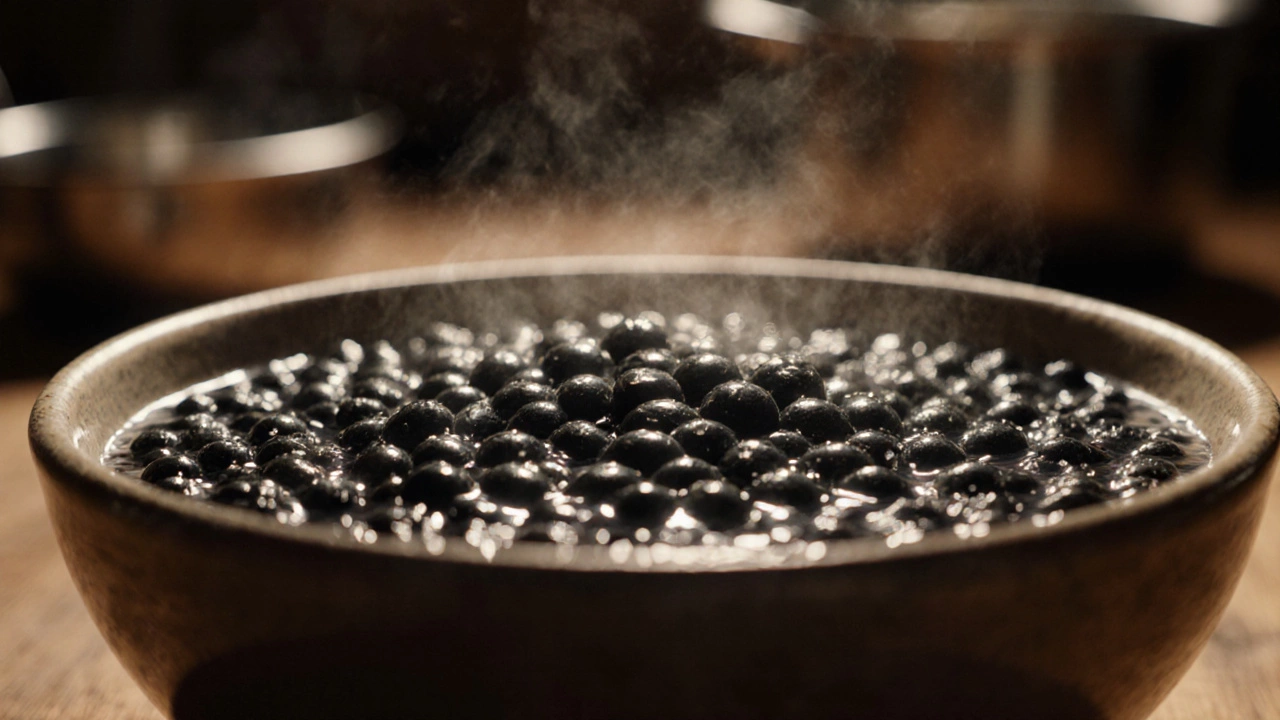
Best Urad Dal Substitutes for Perfect Dosa Batter
Discover the best urad dal substitutes for dosa batter, with detailed prep steps, fermentation tips, and a handy comparison table for chickpeas, soybeans, moong dal and more.
learn more